Section 7E refund: FBR tells offices to accept revised returns and repay deemed income tax
Paid 1% a year on a second property since 2022? After the constitutional court voided Section 7E, the FBR says revised returns must not be rejected. How to claim.

If you paid tax on "deemed income" from a second house, plot or flat since 2022, the Federal Board of Revenue now says you can get it back. In a letter to its field offices dated 23 September 2026, the FBR told tax officers that requests to revise returns to remove Section 7E tax "shall not be rejected", and that any refund those revisions create must be processed quickly.
What Section 7E was
Section 7E of the Income Tax Ordinance, 2001, added by the Finance Act 2022, treated 5% of the fair market value of a resident's immovable property as income, whether or not the property earned anything. That deemed income was taxed at 20%, so the real charge was 1% of the property's FBR value every year.
A worked example: a second apartment valued at Rs 30 million by the FBR was treated as earning Rs 1.5 million a year, and the tax on that was Rs 300,000 a year. Across the tax years it applied, that adds up quickly.
It did not touch everyone. Exempt were one capital asset per person (usually the family home), properties worth less than Rs 25 million in total, self-owned business premises, cultivated agricultural land, properties already earning taxable rent, and allotments to armed forces personnel, martyrs' families and government employees.
Why the money is coming back
On 7 May 2026 the Federal Constitutional Court struck Section 7E down in full as unconstitutional and void from the start, and set aside every notice and proceeding under it. The court held that it taxed ownership, not income. Since then the question has been how people who already paid get their money back. Waheed Shahzad Butt, who chairs the Lahore Tax Bar Association's public interest litigation committee, says the 23 September letter is the answer his committee sought over four months of correspondence.
How to claim your 7E refund
- Find the tax years where you paid 7E tax. It applied from tax year 2022; check the wealth statement and computation in each return on IRIS.
- File a revised return for each of those years on IRIS, removing the 7E deemed income. The FBR has told its offices not to reject these revisions.
- Claim the refund the revision creates through the refund application on IRIS, and keep your CPR (payment receipts) for the 7E tax ready.
- Follow up with your Regional Tax Office if nothing moves. The letter tells field offices to process such refunds "expeditiously".
If you sold one of these properties, your gain is still taxed separately: our capital gains tax calculator works out that bill, and the property tax calculator covers the provincial tax that still applies.
What is still pending
Taxpayers who paid Super Tax under Section 4C on capital gains that the court excluded are still waiting. The FCC upheld Section 4C itself, and the FBR has not yet set out how those refunds will work.
This space is available. Advertise on Searchable, from Rs 3,000 a week.
Frequently asked questions
- Can I get a refund of Section 7E tax?
- Yes. After the Federal Constitutional Court voided Section 7E on 7 May 2026, the FBR told its field offices on 23 September 2026 not to reject revised returns that remove 7E tax and to process the resulting refunds quickly.
- How much was Section 7E tax?
- 5% of a property's fair market value was treated as income and taxed at 20%, an effective 1% of the property's value each year, on properties above the exemptions.
Sources
- Deemed property income: FBR to refund tax collected under Sec 7E: Business Recorder
- FCC declares tax on deemed property income unconstitutional: Geo News
- Pakistan: Tax on deemed income from immovable property (Section 7E): Reanda International
More in Business
Business
STGO 25: no sales tax or digital invoice on factory-to-warehouse transfers
The FBR says moving your own stock between a factory and warehouse on the same STRN is not a supply. You need a numbered Stock Transfer Note, and checkposts may not hold the truck.
1d ago
Business
FBR sales tax e-scrutiny: SRO 1655 gives you 7 days to fix errors flagged on IRIS
The FBR's computer will now cross-check every sales tax return and send an IRIS intimation before an officer acts. Here is what the new Chapter XII-A means and how to respond.
2d ago
Business
FBR faceless audit: tax notices and hearings move to IRIS, no meeting with officers
A new National Faceless Centre in Islamabad will pick cases by computer and split each audit between three officers who do not know whose file it is. What filers should check now.
4d ago
Business
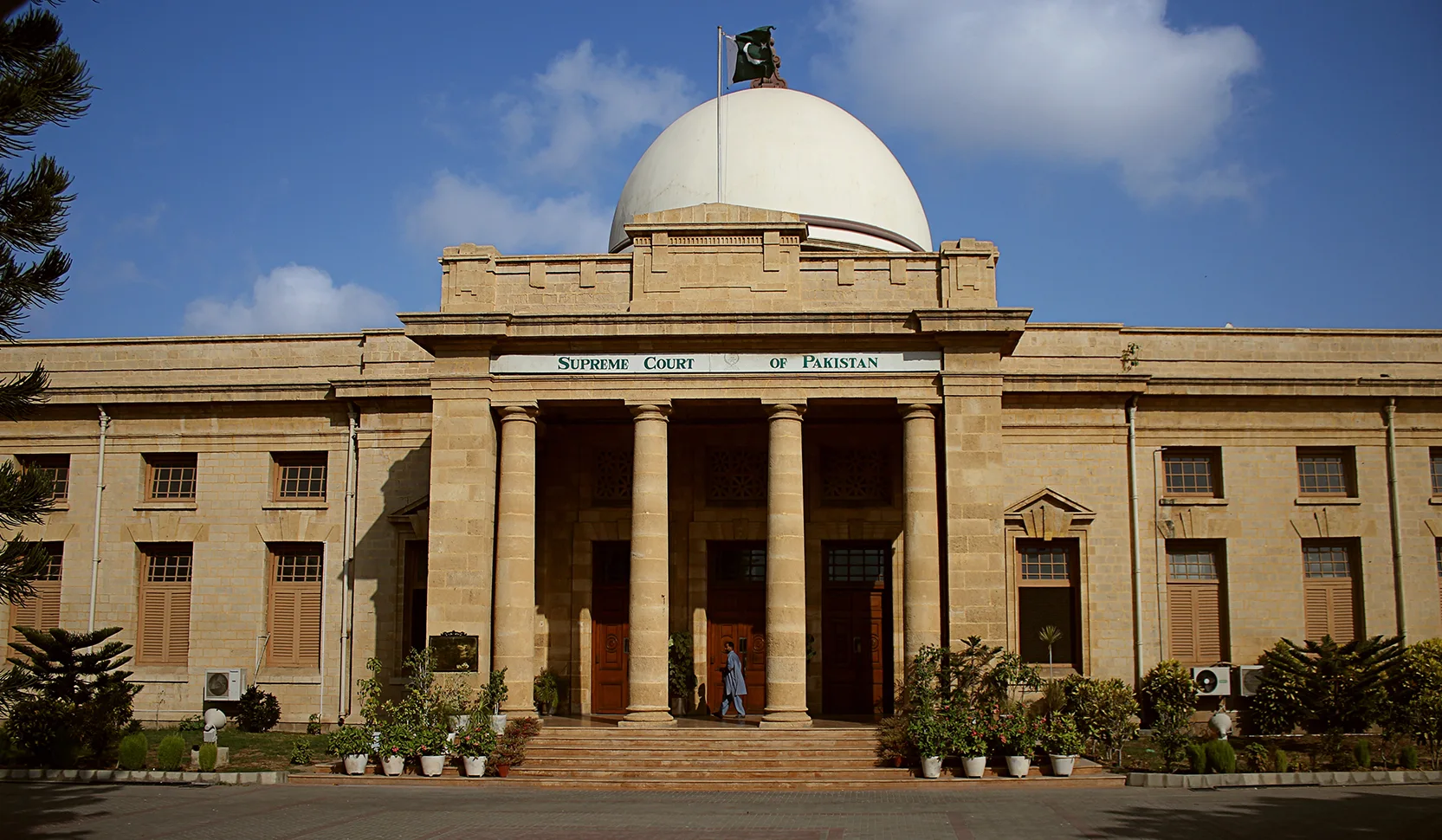
DHA Islamabad not a local authority, owes income tax: Supreme Court ends 14-year case
A bench led by Chief Justice Yahya Afridi says a body needs the power to tax and its own fund to claim the Section 49 exemption. DHA had neither.
5d ago
Reader comments 0
No comments yet. Say something useful.