Mpox confirmed at PIMS Islamabad: woman, 41, in the infectious control ward
She came in last week with facial lesions. NIH confirmed the virus. Hospital sources say she is responding to treatment.
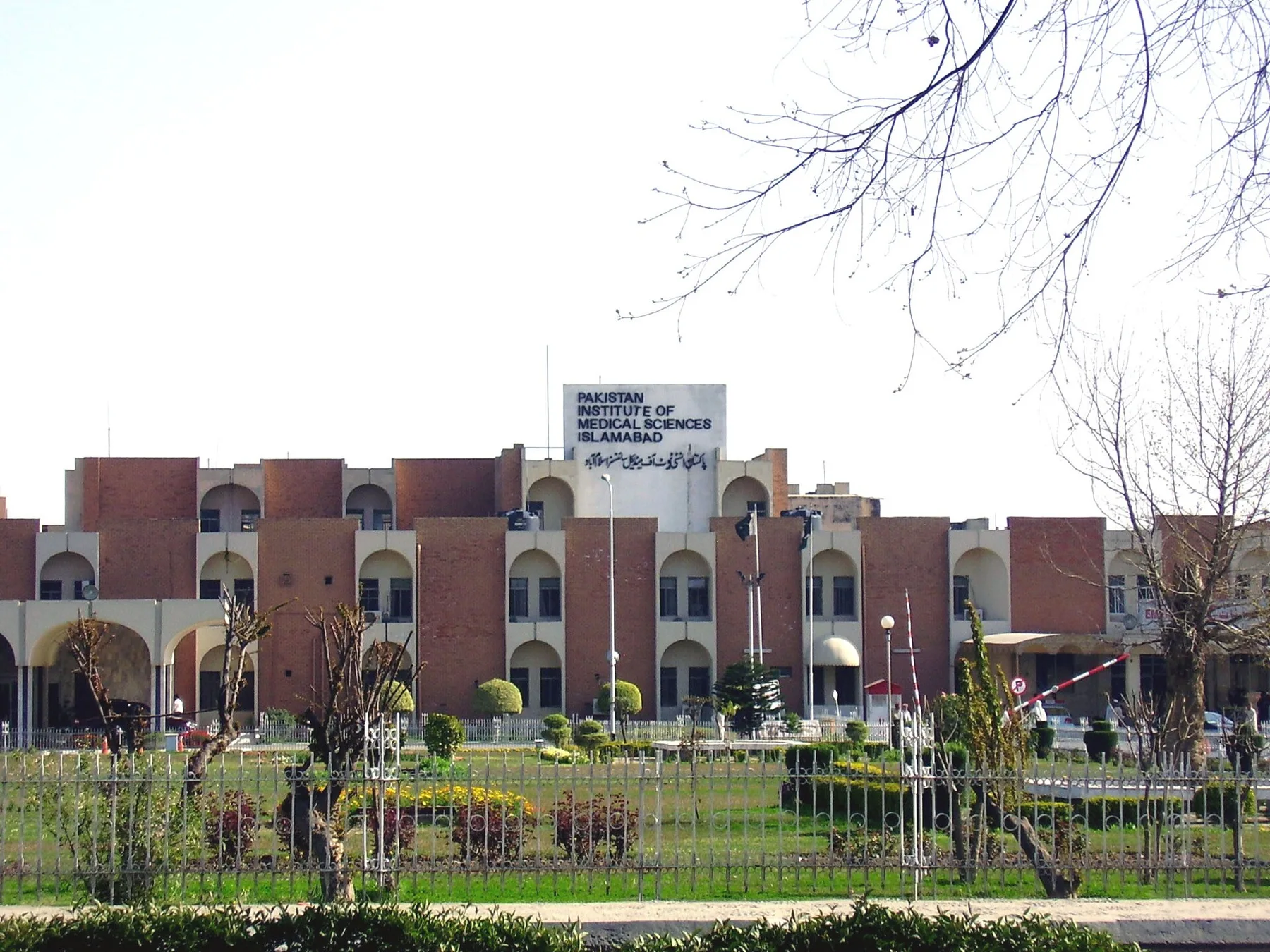
A 41-year-old woman has tested positive for mpox at the Pakistan Institute of Medical Sciences in Islamabad. She was brought to PIMS last week after developing skin lesions on her face, and samples sent to the National Institute of Health in Islamabad confirmed the virus.
The patient is a resident of Shakrial, in suburban Islamabad. She is being treated in the hospital's infectious control ward, and hospital sources say her condition is improving and she is responding to treatment.
What mpox is
Mpox, formerly called monkeypox, is a viral illness. The World Health Organization describes the usual presentation as a rash that can last two to four weeks, alongside fever, headache, muscle aches, back pain, low energy and swollen lymph nodes.
The rash is the part people recognise. It often starts flat, turns into raised bumps, then blisters that fill with fluid, crust over and fall off. It can appear on the face, palms, soles, groin, and inside the mouth or throat.
How it spreads
Person to person, through close contact. That means skin-to-skin contact with the rash or scabs, face-to-face contact such as talking or breathing close to someone, and contact with contaminated items like bedding, towels or clothing. A person is infectious from when symptoms start until the rash has fully healed and a new layer of skin has formed.
This is not a virus that travels through a room the way flu does. Casual contact in a market or on a bus is a low-risk situation.
What to do if you see it
If you develop an unexplained rash with fever, particularly with swollen lymph nodes, do not self-diagnose from photographs online and do not visit a pharmacy counter for a cream. Go to a government hospital or your doctor and say what you are worried about before you sit in a full waiting room, so staff can isolate you properly.
Keep the rash covered, avoid sharing bedding and towels, and stay away from other people until a clinician has seen you. Most cases resolve with supportive care.
Why this one matters
A single confirmed case in a capital-city hospital is not an outbreak. What it does is test the chain: a suspected case at a public hospital, samples routed to NIH, confirmation, and isolation in a dedicated ward. On this occasion that chain worked, and it worked inside a week.
Pakistan's ports of entry run mpox screening for arriving passengers, and most cases confirmed here in recent years have been linked to travel. Contact tracing is the part that decides whether one case stays one case.
This space is available. Advertise on Searchable, from Rs 3,000 a week.
Frequently asked questions
- How does mpox spread?
- Through close contact: skin-to-skin contact with the rash or scabs, prolonged face-to-face contact, and contact with contaminated bedding, towels or clothing. A person is infectious from the start of symptoms until the rash has fully healed and new skin has formed.
- What should I do if I think I have mpox?
- See a doctor or go to a government hospital, and tell staff what you suspect before sitting in a crowded waiting room so they can isolate you. Keep the rash covered and do not share bedding or towels. Most cases resolve with supportive care.
Sources
- Woman Tests Positive for Mpox at PIMS Islamabad: ProPakistani
- Mpox fact sheet: World Health Organization
- National Institute of Health Pakistan: National Institute of Health
More in Health
Health
Medicine shortage in Pakistan: 100+ life-saving drugs missing, price files stuck 2 years
Oral morphine, streptokinase and chemotherapy drugs are among more than 100 medicines makers have stopped producing while their price files wait for cabinet approval.
2d ago
Health
PMA strike 30 September: private clinics to shut over FBR POS rule
Doctors plan a one-day closure of private clinics and hospitals on Wednesday against FBR point-of-sale integration, Section 175C action and raids. Here is what it means if you have an appointment.
2d ago
Health
WHO keeps polio travel rules on Pakistan 3 more months: what flyers need now
Karachi is named a polio stronghold. If you are flying abroad, you need a dose recorded on a yellow card, taken between four weeks and 12 months before departure.
3d ago
Health
HIV scare at THQ Hospital Mian Channu: 69 dialysis patients being screened
Reports of four to six HIV-positive dialysis patients in Khanewal district, one ELISA-positive so far by the hospital's count, and an inquiry under way. What patients should do now.
3d ago
Reader comments 0
No comments yet. Say something useful.