1,060 snake bites in Punjab this year, 6 deaths: what Rescue 1122 logged
Rescue 1122 figures for January to August show 614 men and 446 women bitten. The Wildlife Department says the rains push snakes out of flooded ground and into houses.
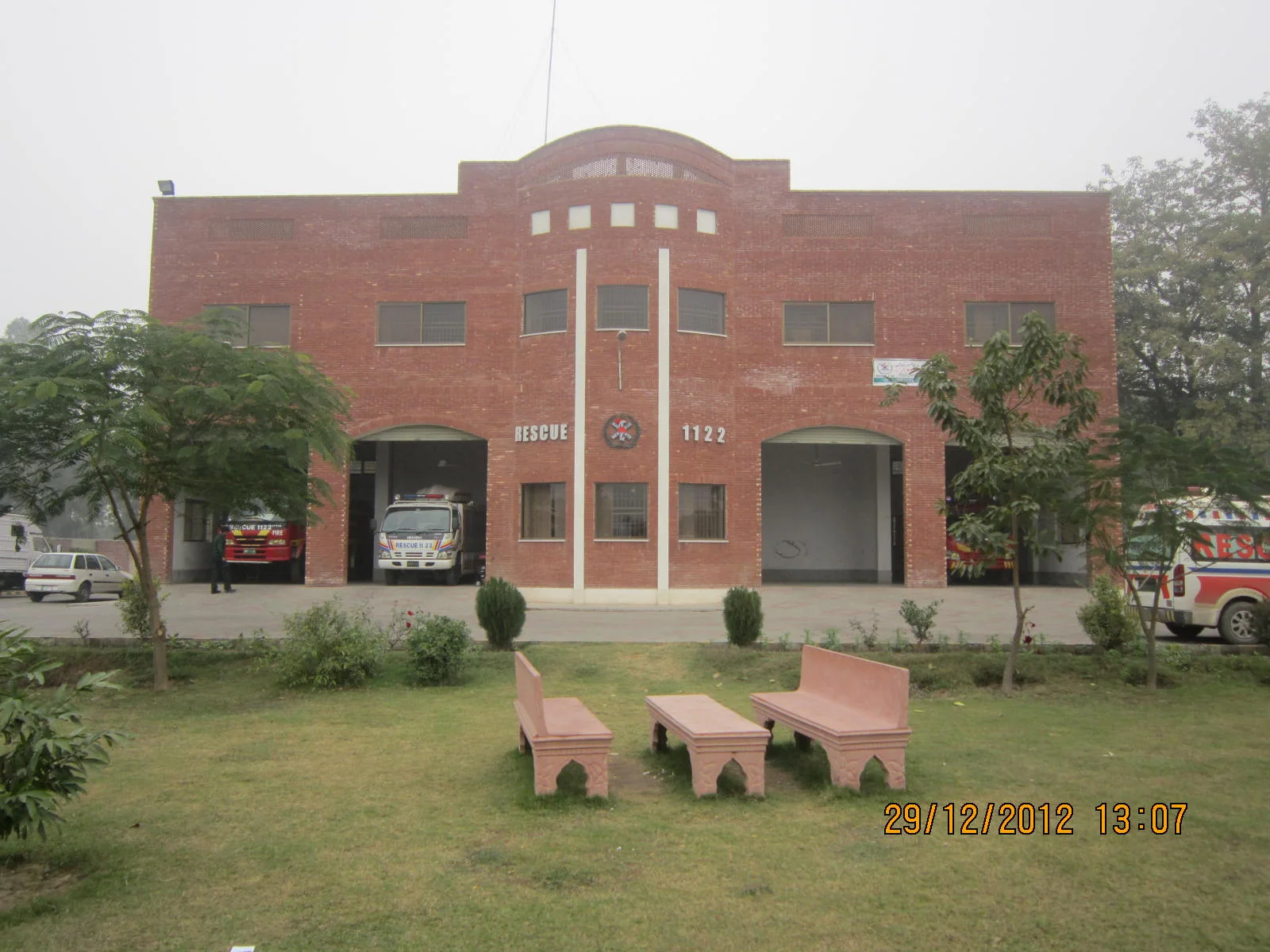
Rescue 1122 responded to 1,060 snake bite cases across Punjab between January and August this year. Six people died. The split was 614 men and 446 women.
Those are emergency service call-outs, not hospital admissions, so the real number of bites is higher: many people go straight to a basic health unit or a private clinic without calling 1122 at all.
Why the rains matter
The Wildlife Department's explanation is simple. Water collects in low-lying ground and settlements during the monsoon, and snakes leave their usual holes and burrows looking for dry ground. Dry ground, in a flooded village, means the raised floor of a house, a stack of fodder, a goat shed or a store room.
That is why bites cluster after heavy rain rather than in the hottest weeks, and why the people bitten are disproportionately those working in fields and moving around outdoors after dark.
What to do if someone is bitten
The advice that matters is mostly about what not to do.
- Get to a hospital that stocks anti-venom. That is the treatment. Nothing else is.
- Keep the person still and keep the bitten limb below heart level. Movement moves venom.
- Remove rings, bangles and watches from the limb before it swells.
- Note the time of the bite, and the snake's appearance if it was seen. Do not go back to catch or kill it.
- Do not cut the wound, do not suck it, do not apply a tight tourniquet, and do not burn or ice it. All four of those cause damage without removing venom.
- Do not give aspirin or any painkiller that thins the blood.
Most bites in Pakistan are from vipers and cobras, and viper venom interferes with clotting. That is the reason for the rule about blood-thinning painkillers, and the reason a bite that looks minor at first can be serious six hours later.
Which hospital
Anti-venom is not stocked everywhere. District headquarters hospitals and tehsil headquarters hospitals in rural Punjab generally carry it; small private clinics often do not. If you live in an area where bites happen, the useful thing to know before you need it is which hospital near you holds stock, and whether it holds polyvalent anti-venom.
Call 1122 rather than driving blind. The service can route to a facility that has the vial.
Basic prevention
Clear rubble, firewood stacks and tall grass away from the walls of the house. Do not leave grain or fodder on the floor, because it brings rats and rats bring snakes. Use a torch and closed shoes after dark. Sleep on a charpai rather than the floor during the monsoon, and tuck a mosquito net in, which also keeps snakes off the bed.
This is general safety information, not medical advice. A snake bite is a medical emergency; go to a hospital.
This space is available. Advertise on Searchable, from Rs 3,000 a week.
Frequently asked questions
- How many snake bite cases were reported in Punjab in 2026?
- Rescue 1122 logged 1,060 snake bite cases between January and August 2026, with six deaths. Of those bitten, 614 were men and 446 were women.
- What should you do first after a snake bite?
- Get to a hospital that stocks anti-venom, keep the person still with the bitten limb below heart level, and remove rings or bangles before swelling starts. Do not cut, suck, ice or tourniquet the wound, and do not give blood-thinning painkillers.
Sources
- Over 1,000 Snake Bite Cases Reported in Punjab This Year: ProPakistani
- Punjab Emergency Service (Rescue 1122): Punjab Emergency Service
More in Lifestyle
Lifestyle
Basant 2027 in Lahore: 10 days from 29 January to 7 February, no kites on 5 February
Maryam Nawaz has approved a 10-day basant festival, replacing the March dates announced in August. Here are the dates, the rules and the penalties.
1h ago
Lifestyle
Visa on arrival for Chinese tourists at Khunjerab: Hunza and Nagar first, then all of GB
The proposal went to the PM's office after the 15 September SIFC meeting. Foreign affairs has no objection in principle, interior wants the highest-level sign-off.
22 Sept 2026

Lifestyle
Consumer court fines Khaadi Rs 50,000 in Peshawar for charging Rs 30 for a shopping bag
A Peshawar consumer court says charging for a logo bag is an unfair trade practice. Here is the ruling and how to file your own consumer court complaint.
17 Sept 2026
Reader comments 0
No comments yet. Say something useful.