ADB and World Bank circle the $6.8bn ML-1 after China walked away from funding
The Karachi to Peshawar rebuild is now costed at $6.8 billion, down from $9 billion, with a three year build and track designed for 160km/h.
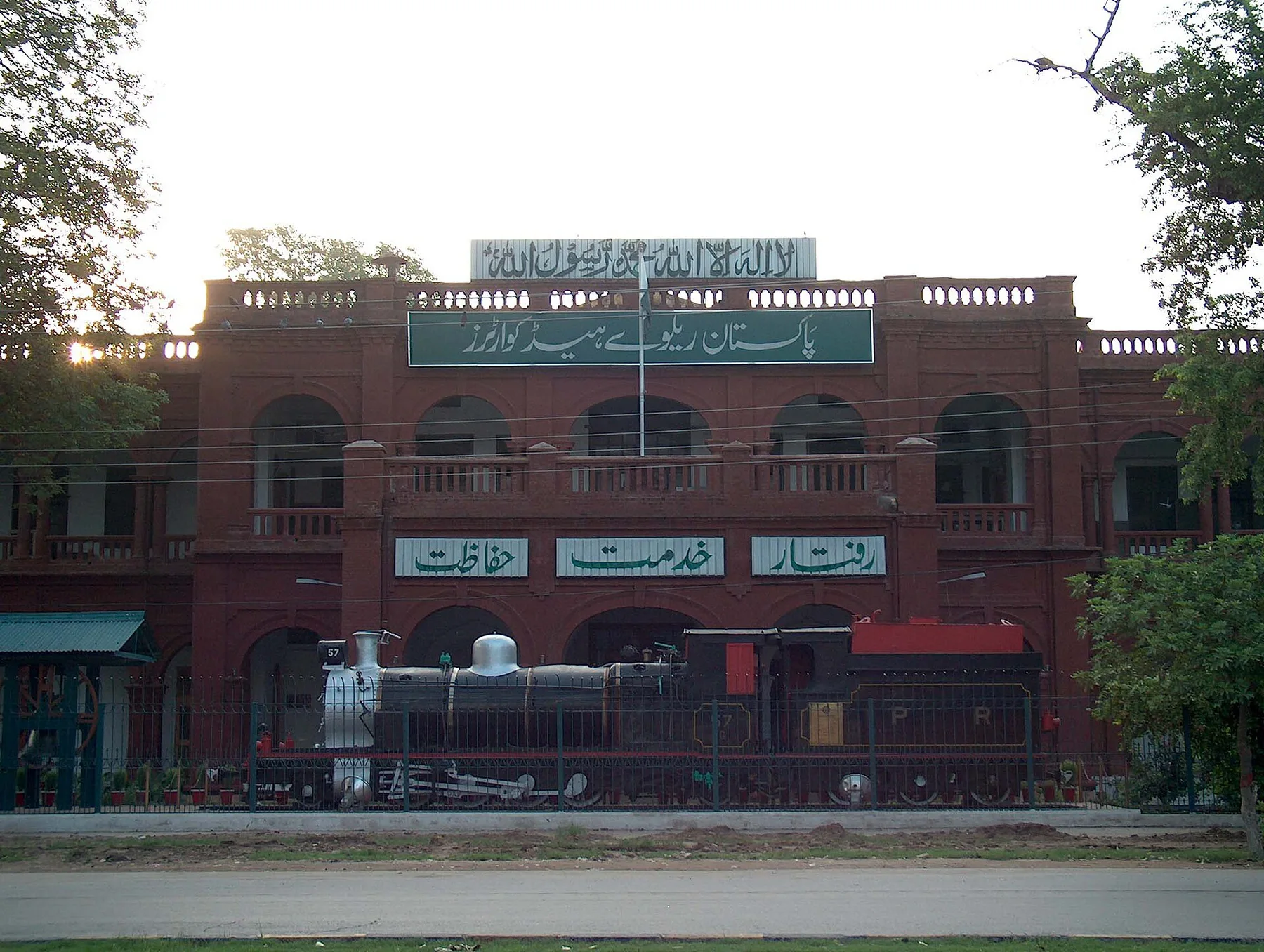
The Asian Development Bank is lining up to lead financing for ML-1, the 1,800km Karachi to Peshawar railway rebuild, with the Asian Infrastructure Investment Bank and the World Bank as co-financiers, a National Assembly panel was told.
The project is now costed at $6.8 billion, revised down from the $9 billion figure carried for years. Construction is put at roughly three years.
The European Investment Bank, the Islamic Development Bank and the Japan International Cooperation Agency have also shown interest.
Why the lenders changed
ML-1 was the flagship rail component of CPEC and was to be financed by China. After the withdrawal of Chinese financing, the government went looking for alternatives, which is how a project written as a bilateral Chinese loan ended up on a multilateral term sheet. Multilateral money is cheaper but slower, and it comes with procurement rules and safeguard conditions that bilateral loans do not carry.
The speed question
The track is being designed for 160km/h, but the operational speed envisaged is 120km/h. The National Assembly panel pushed back, recommending that the infrastructure be aligned to actually run at 160km/h where that is technically and economically feasible, and that the project take full advantage of modern railway technology and international standards.
Today a Karachi to Lahore passenger service averages well under 70km/h once stops and speed restrictions are counted. Going to 120km/h would roughly halve the journey. That is the difference between the train being a budget option and being a real competitor to a domestic flight.
What else the panel heard
The project is not only civil works. It bundles institutional and operational reform of Pakistan Railways: efficiency, sustainability and service delivery. Pakistan Railways has run an operating deficit for decades, so the reform half is the part that decides whether the $6.8 billion buys a working railway or a new track under the same balance sheet.
The same panel was told that Karachi's K-IV water project is expected to be completed by April 2029, against a city requirement of more than 1,200 million gallons a day.
What it costs to borrow
At current benchmark rates, the cost of money matters more than the headline number. The 12 month KIBOR is at 12.34 percent and the SBP policy rate at 11.5 percent; you can see both on the data hub, and model your own borrowing on the personal loan calculator.
This space is available. Advertise on Searchable, from Rs 3,000 a week.
Frequently asked questions
- How much does the ML-1 railway project cost now?
- $6.8 billion, revised down from the earlier $9 billion estimate, for 1,800km of track between Karachi and Peshawar, with construction put at about three years.
- Who is funding ML-1 after China?
- The Asian Development Bank is expected to lead, with the Asian Infrastructure Investment Bank and the World Bank as co-financiers. The European Investment Bank, the Islamic Development Bank and JICA have also expressed interest.
Sources
More in Business
Business
STGO 25: no sales tax or digital invoice on factory-to-warehouse transfers
The FBR says moving your own stock between a factory and warehouse on the same STRN is not a supply. You need a numbered Stock Transfer Note, and checkposts may not hold the truck.
1d ago
Business
FBR sales tax e-scrutiny: SRO 1655 gives you 7 days to fix errors flagged on IRIS
The FBR's computer will now cross-check every sales tax return and send an IRIS intimation before an officer acts. Here is what the new Chapter XII-A means and how to respond.
2d ago
Business
FBR faceless audit: tax notices and hearings move to IRIS, no meeting with officers
A new National Faceless Centre in Islamabad will pick cases by computer and split each audit between three officers who do not know whose file it is. What filers should check now.
4d ago
Business
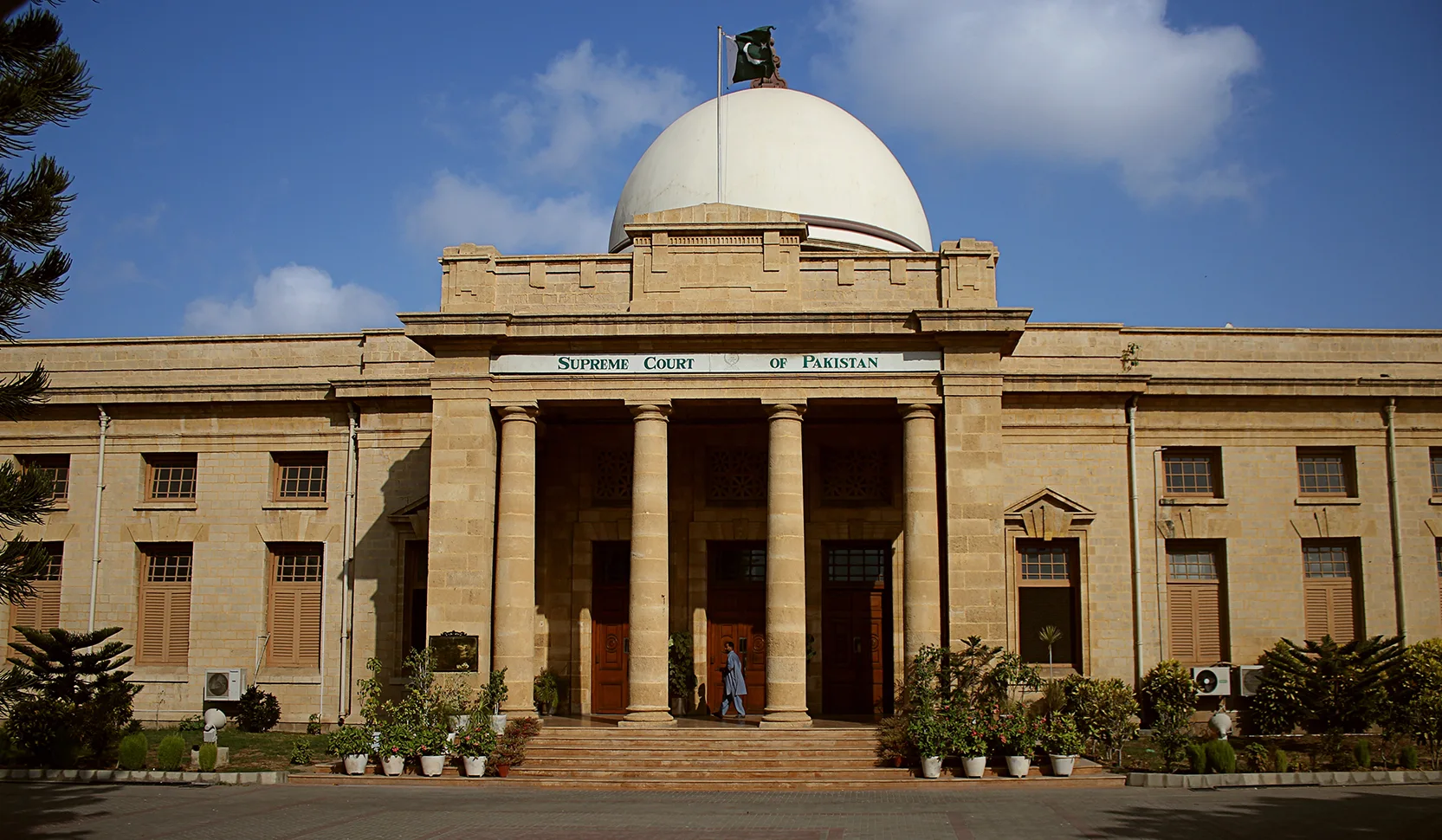
DHA Islamabad not a local authority, owes income tax: Supreme Court ends 14-year case
A bench led by Chief Justice Yahya Afridi says a body needs the power to tax and its own fund to claim the Section 49 exemption. DHA had neither.
5d ago
Reader comments 0
No comments yet. Say something useful.