CCP fines oil tanker association Rs 60m: 89 freight rate changes since 2019
The All Pakistan Edible Oil Tanker Owners Association fixed haulage charges out of the Karachi ports and handed out loads by a parchi queue. That cost sat on top of every tin of ghee and cooking oil.
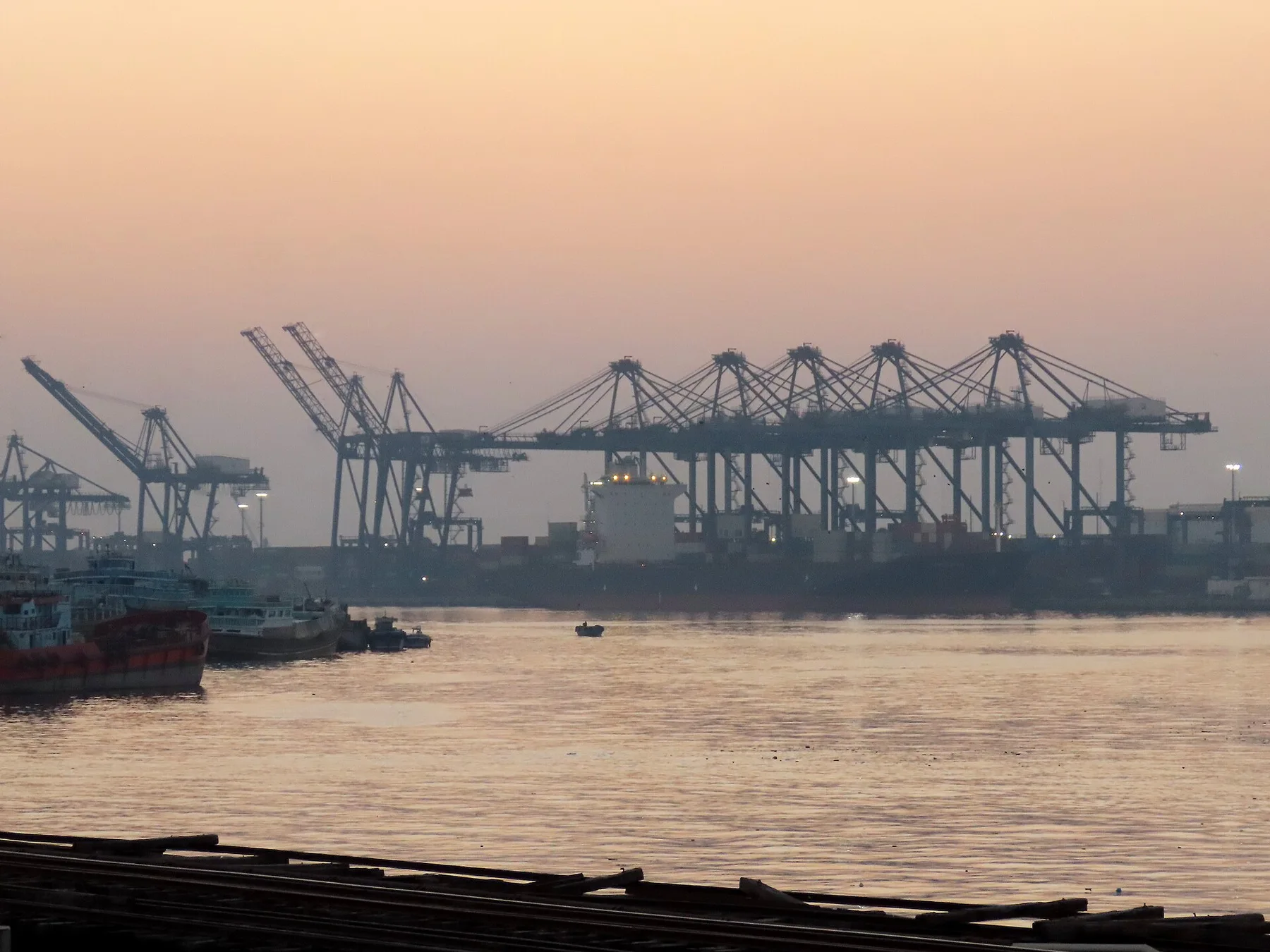
The Competition Commission of Pakistan has fined the All Pakistan Edible Oil Tanker Owners Association Rs 60 million for cartel conduct: Rs 30 million for fixing transport charges and Rs 30 million for carving up the work between members.
The association moves edible oil, ghee and fats out of the Karachi ports to plants and warehouses across the country. CCP found it was setting the freight rate for those runs collectively instead of letting tanker owners quote their own, and that it revised those rates 89 times between 2019 and 2025: 52 increases and 37 decreases.
The parchi queue
The second half of the penalty is about who gets the load, not what it costs.
CCP found the association ran a queue system, the parchi, that allocated consignments between tanker owners in turn. An owner outside the association, or one willing to undercut, could not simply bid for a job. That removes the pressure that would normally push a haulage rate down.
The Commission put the association's share at roughly 83 percent of daily tanker visits to the ports, which is what turns an internal scheduling arrangement into a market-wide one.
The order also records that rate revisions were coordinated with the Pakistan Vanaspati Manufacturers Association, the ghee and cooking oil makers on the other side of the transaction.
What the law says
Both findings fall under Section 4 of the Competition Act 2010, which bans agreements between undertakings that restrict competition. CCP made a point that reaches beyond this case: even a non-binding recommendation from a trade association can break Section 4 if it changes what members decide independently.
The association has been told to stop the conduct, withdraw its rate circulars, end the queue system and publish notices telling tanker owners they may set their own rates and take consignments whether or not they are members. It has 60 days to file a compliance report. Missing that costs Rs 50,000 a day.
The investigation began after market intelligence flagged the association's rate circulars, and CCP carried out a search in February 2025.
What it means for your grocery bill
Freight from Karachi is a real line in the cost of a 5-litre tin of banaspati or cooking oil, and a bigger one in Punjab and Khyber Pakhtunkhwa where the haul is long. A rate that only moved when an association decided it should move is a floor under that line.
Do not expect a visible price cut this month. Cartel orders take effect slowly, and edible oil prices here are driven mostly by the world palm oil price and the rupee. What the order removes is one piece of the cost that had nothing to do with either. The rupee side you can track on our dollar rate page.
Sales tax on the retail price is a separate matter: work out what tax you are paying on a purchase with the sales tax calculator.
This space is available. Advertise on Searchable, from Rs 3,000 a week.
Frequently asked questions
- How much did CCP fine the edible oil tanker association?
- Rs 60 million in total: Rs 30 million for collectively fixing transport charges and Rs 30 million for allocating consignments among members through the parchi queue system, both under Section 4 of the Competition Act 2010.
- Will cooking oil and ghee get cheaper?
- Not immediately. Freight is only one part of the price, and edible oil in Pakistan tracks the world palm oil price and the rupee far more closely. The order removes a fixed floor under the haulage component rather than cutting the shelf price directly.
Sources
- CCP fines edible oil tanker owners' body Rs60mn for cartelisation: Business Recorder
- CCP Fines Edible Oil Tanker Association Rs. 60 Million: ProPakistani
- Competition Commission of Pakistan orders: Competition Commission of Pakistan
More in Business
Business
STGO 25: no sales tax or digital invoice on factory-to-warehouse transfers
The FBR says moving your own stock between a factory and warehouse on the same STRN is not a supply. You need a numbered Stock Transfer Note, and checkposts may not hold the truck.
1d ago
Business
FBR sales tax e-scrutiny: SRO 1655 gives you 7 days to fix errors flagged on IRIS
The FBR's computer will now cross-check every sales tax return and send an IRIS intimation before an officer acts. Here is what the new Chapter XII-A means and how to respond.
2d ago
Business
FBR faceless audit: tax notices and hearings move to IRIS, no meeting with officers
A new National Faceless Centre in Islamabad will pick cases by computer and split each audit between three officers who do not know whose file it is. What filers should check now.
4d ago

Business
DHA Islamabad not a local authority, owes income tax: Supreme Court ends 14-year case
A bench led by Chief Justice Yahya Afridi says a body needs the power to tax and its own fund to claim the Section 49 exemption. DHA had neither.
5d ago
Reader comments 0
No comments yet. Say something useful.