Pakistan's first astronaut: China to pick Zeeshan Ali or Khurram Daud in October
One of two Pakistani pilots training in Beijing will spend a week on China's Tiangong station running four experiments from Pakistani universities. The choice is due mid-to-late October.
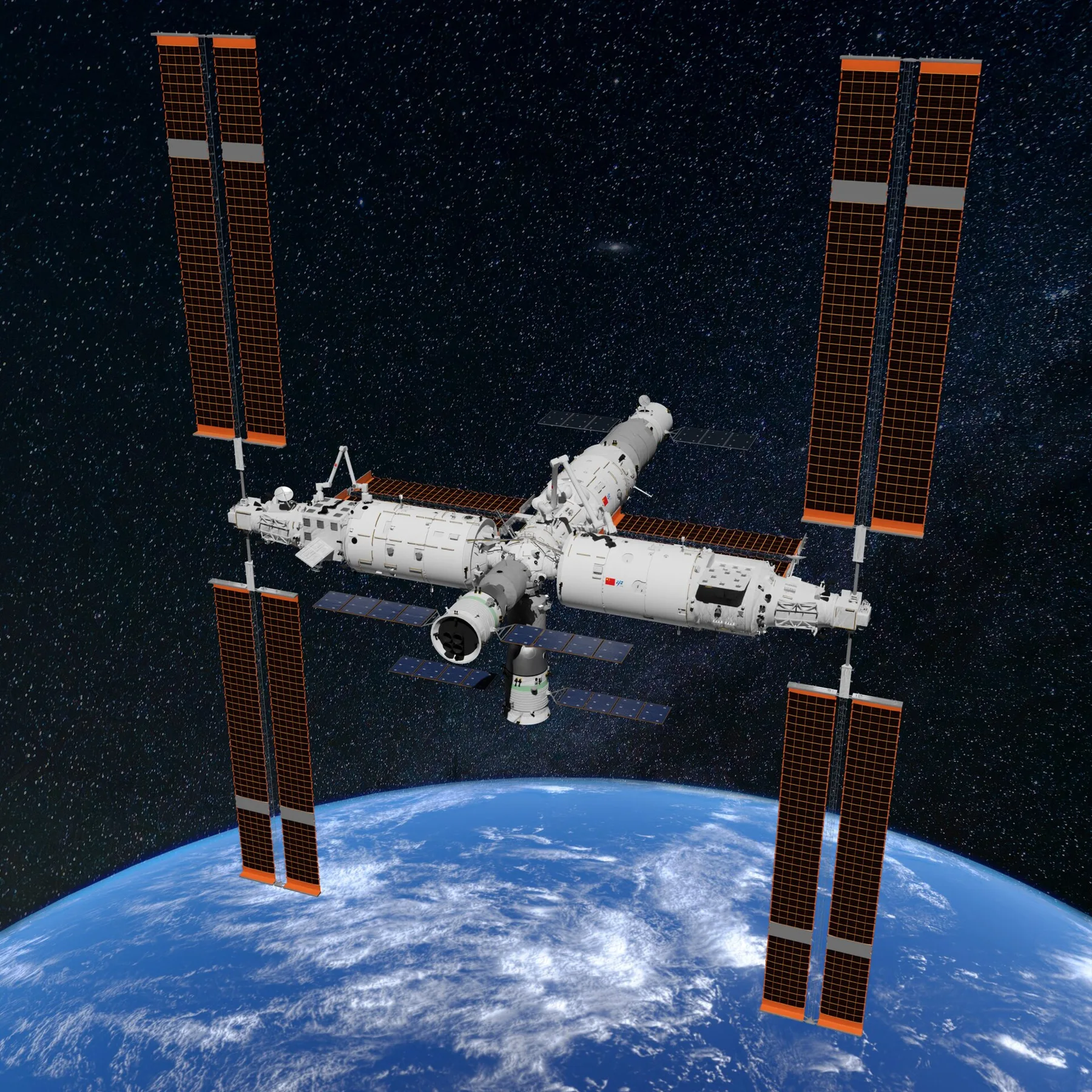
Pakistan will know its first astronaut within weeks. China is expected to choose between two Pakistani pilots, Muhammad Zeeshan Ali and Khurram Daud, in mid-to-late October 2026, Reuters reported on 28 September. The one picked will fly on a Chinese Shenzhou spacecraft to the Tiangong space station and spend about one week in orbit.
The two candidates
Zeeshan Ali and Khurram Daud were named in April 2026, when China Manned Space announced them as the first foreign astronauts selected for its programme after three stages of screening. They came out of a pool of about 20 finalists, drawn from Pakistani pilots and scientists.
Both are training at the China Astronaut Research and Training Centre in Beijing. Reuters describes the programme as Mandarin lessons, centrifuge runs, spacecraft systems and training for weightlessness. SUPARCO officials said pilots were chosen partly because few scientists are used to high g-forces.
What the mission will do
| Item | Detail |
|---|---|
| Spacecraft | Chinese Shenzhou capsule |
| Destination | Tiangong, China's space station |
| Time in orbit | About one week |
| Pakistani role | Payload specialist (runs experiments, does not fly the craft) |
| Experiments | 4 biotechnology studies on food security and climate change |
| Selected from | More than 300 proposals from universities in Karachi, Lahore and Islamabad |
| Return | With two members of the Chinese crew who reached Tiangong in May |
The chosen astronaut will not come home before launch and will go straight from training in China to the mission. China has not yet announced the launch date.
How Pakistan got here
The idea of a Pakistani on a Chinese mission dates to 2019. The two countries signed an astronaut cooperation agreement in February 2025, and the two candidates were confirmed in April 2026. SUPARCO, Pakistan's space agency, runs the Pakistani side through its human spaceflight cooperation division.
The flight would make a Pakistani the first foreign astronaut to visit Tiangong, which until now has hosted only Chinese crews.
Why it matters for Pakistan
- Science: the four experiments were proposed by Pakistani university teams, so the results come back to labs in Karachi, Lahore and Islamabad.
- Firsts: Pakistan has never sent a person to space. The selection announcement in October will settle whose name goes in the record books.
- Space at home: for the space service closest to Pakistani users today, see where Starlink's approval in Pakistan stands.
We will update this page when China names the astronaut and sets a launch date.
This space is available. Advertise on Searchable, from Rs 3,000 a week.
Frequently asked questions
- Who is Pakistan's first astronaut?
- Two pilots, Muhammad Zeeshan Ali and Khurram Daud, are the candidates. China is expected to choose one of them in mid-to-late October 2026.
- When will the Pakistani astronaut go to space?
- China has not announced a launch date. The selection is due in mid-to-late October 2026, and the chosen astronaut will fly straight from training in China for about a week on the Tiangong station.
Sources
More in Science
Science
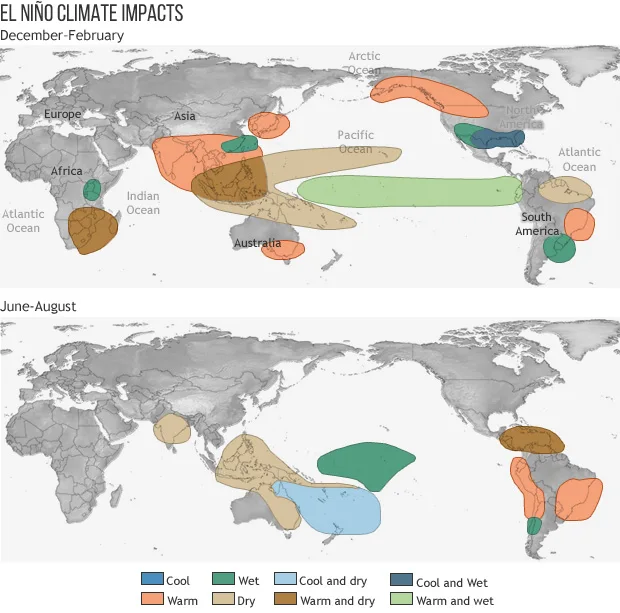
WHO calls this El Nino a public health threat: cholera, dengue and a late monsoon
The WMO says it is the strongest El Nino in 40 years of records, running into 2027. The WHO names cholera, malaria, dengue and chikungunya, and delayed monsoons in parts of Asia.
22 Sept 2026
Science
Y chromosome loss found in healthy tissue near tumours in 11 organs
A University of Arizona team looked at 4.3 million cell nuclei from 405 men and found the Y chromosome missing in normal-looking tissue next to cancers, not just in the tumours.
21 Sept 2026
Science
Pakistan climbs 22 places to 157th of 177 on the 2026 environment index
Yale's Environmental Performance Index scores Pakistan at 29.03, up from 179th in 2024. The rank moved. The air in Lahore has not, yet.
19 Sept 2026

Science
NASA finds the Moon's biggest new crater in 17 years, 222 metres wide
The McGetchin impact site opened up between April and May 2024. Craters this size form on the Moon roughly once every 132 years.
17 Sept 2026
Reader comments 0
No comments yet. Say something useful.