Pakistan's poverty rate is 38.3% on the UN's new index, more than double India's 16.4% and Bangladesh's 14.9%
UNDP's 2026 Multidimensional Poverty Index counts schooling, health and living conditions, not just income, and finds more than a third of Pakistanis poor.
Pakistan's poverty rate stands at 38.3% on the United Nations Development Programme's 2026 Global Multidimensional Poverty Index (MPI), released in New York on Monday, 12 October. That is more than twice the rate for India (16.4%) and Bangladesh (14.9%), Dawn reported from Washington.
The index does not measure income. It counts a household as poor when it is deprived across several parts of daily life at once: nutrition, child mortality, years of schooling, school attendance, sanitation, drinking water, electricity, housing and household assets.
Pakistan's numbers
| Measure | Pakistan |
|---|---|
| Share of people in multidimensional poverty | 38.3% |
| Average deprivation among the poor (intensity) | 51.7% |
| Share vulnerable to falling into poverty | 12.9% |
An intensity of 51.7% means that a poor Pakistani is, on average, deprived in just over half of the weighted indicators. Another 12.9% of the population is close to the line and could slip below it after one shock: a job loss, an illness or a flood.
UNDP notes that the figures come from household surveys taken in different years in each country, so the comparison between Pakistan, India and Bangladesh is indicative rather than exact.
The global picture
- 1.2 billion people worldwide live in multidimensional poverty, the first rise in 15 years.
- That is 51.5 million more than in the previous update.
- 617 million of them are children, more than half the total.
- 83% live in rural areas.
In South Asia, about 19.3% of people are multidimensionally poor and 18.4% are vulnerable. Living standards make up 36.3% of the region's poverty, education 33.7% and health 29.9%. The region accounts for at least a third of the world's deprivations in nutrition, housing and years of schooling, and 150 million poor people live in a household where a school-age child is not in school.
UNDP Administrator Alexander De Croo said the rise "should be a wake-up call for the world".
Why it matters now
The index lands as prices rise again. Consumer inflation was 10.3% year on year in September (CPI page), and on Tuesday the IMF forecast an average of 9.9% for this fiscal year (our report). Electricity, schooling and water are three of the MPI's indicators, and all three cost more each year.
For households checking where the money goes, the electricity bill calculator shows what each slab of units costs, and the zakat calculator works out what is due for those able to give.
What the MPI is
The Global MPI is published each year by UNDP with the Oxford Poverty and Human Development Initiative. It uses ten indicators grouped into health, education and living standards, and someone deprived in a third or more of the weighted indicators is counted as poor. It sits alongside income-based measures such as the World Bank's poverty line, which often give different numbers for the same country.
Frequently asked questions
- What is Pakistan's poverty rate on the 2026 Multidimensional Poverty Index?
- 38.3% of Pakistanis are multidimensionally poor on UNDP's 2026 Global MPI, against 16.4% in India and 14.9% in Bangladesh.
- What does the Multidimensional Poverty Index measure?
- Deprivations in health, education and living standards: nutrition, child mortality, years of schooling, school attendance, sanitation, drinking water, electricity, housing and assets.
Sources
More in Pakistan
Pakistan
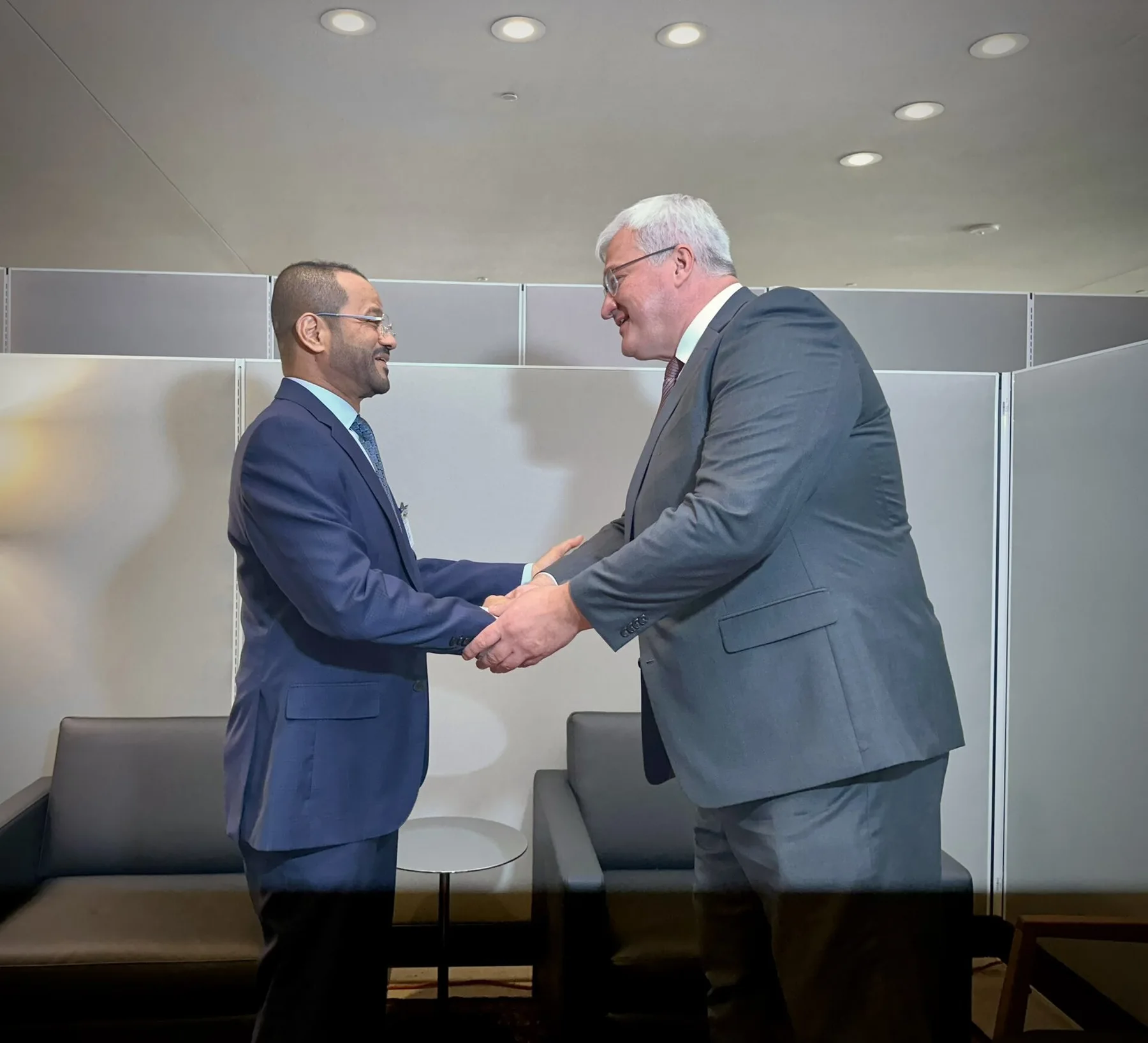
Oman's foreign minister in Pakistan on 13 and 14 October for Joint Ministerial Commission
Sayyid Badr Albusaidi co-chairs the 8th Pakistan-Oman JMC with Ishaq Dar, with trade, oil and gas and labour on the agenda, as Russia's interior minister makes a first-ever visit.
14h ago
Pakistan
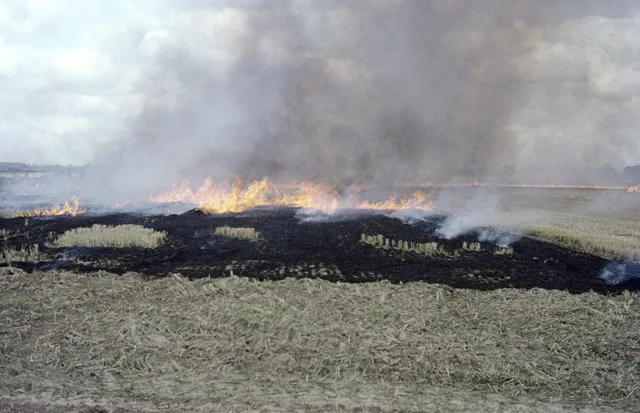
Smog in Lahore: Punjab EPA deploys 67 units to stop crop fires in 10 districts
Tractor-mounted fire bowsers, drones and motorway patrols are now hunting stubble fires across Punjab's rice belt. Here is what it means for Lahore's air and what residents can do.
14h ago
Reader comments 0
No comments yet. Say something useful.