Supreme Court on haq mehr: the wife's property, not a price for marriage
A five-judge bench says dower is a mandatory obligation, cannot be made conditional, and must be recorded properly in columns 13 to 16 of the nikahnama.
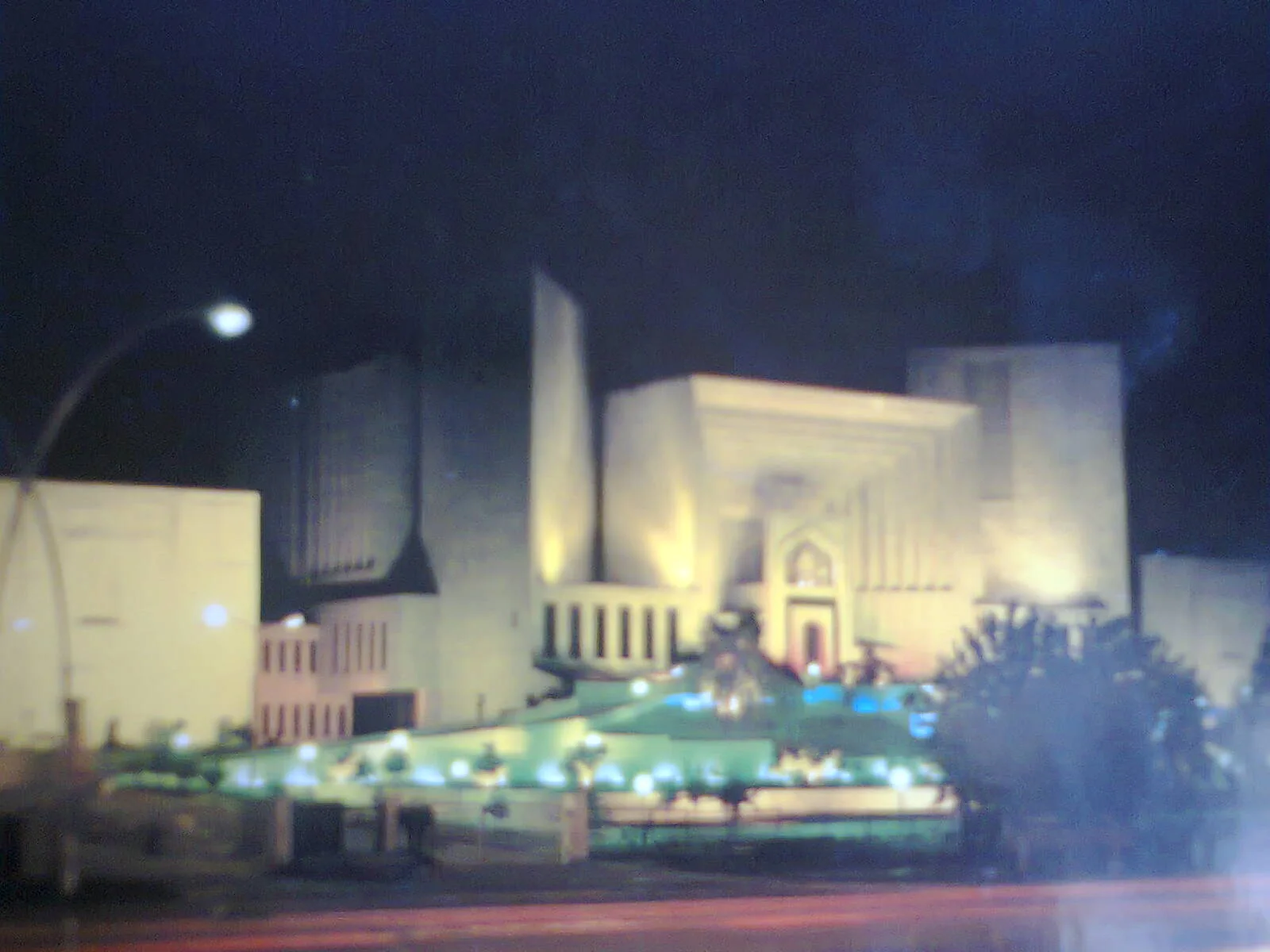
A five-judge Supreme Court bench headed by Justice Shahid Waheed has ruled that dower, the haq mehr written into a nikahnama, is a mandatory legal incident of marriage and the exclusive property of the wife. The unanimous judgment, issued on 22 September 2026, says dower is not a price paid for a wife and cannot be treated as a bargaining chip. Justices Irfan Saadat Khan, Aqeel Ahmed Abbasi and Shahid Bilal Hassan sat on the bench.
What the court held
- Dower is imposed by Islamic law as an obligation on the husband, and it must be given without demeaning conditions attached.
- It is an exclusive proprietary right of the wife. It belongs to her, not to her family and not to the household.
- A husband cannot make payment conditional on his wife's behaviour, and cannot hold dower back as leverage in a dispute.
- Where dower is not given, the court said, the courts must step in, and not with hesitation.
- Nikah registrars must fill columns 13 to 16 of the nikahnama properly, with training and oversight, so those columns stop being completed mechanically.
That last point is the practical heart of it. Columns 13 to 16 of the standard nikahnama record the amount of dower, how much of it is prompt (muajjal) and how much deferred (muwajjal), whether any property was given in lieu, and what was paid at the time of nikah. Blank or copy-pasted entries in those columns are what most dower disputes turn on years later.
What it means at the nikah
Before signing, check that columns 13 to 16 are filled in with figures, not dashes. A prompt dower is payable on demand, at any point in the marriage, not only at divorce. A deferred dower falls due on divorce or on the husband's death.
If the nikahnama says the dower is a number of tolas of gold rather than a rupee amount, the value moves with the market. At the 24-carat rate of Rs 451,079 a tola recorded on our gold rate page on 22 September, a mehr of five tolas is about Rs 2.26 million, and of 12 tolas about Rs 5.41 million. Our gold converter works out a tola figure at today's rate, including in grams.
If dower has not been paid
A claim for unpaid dower goes to the family court in the district where the wife resides, under the Family Courts Act. A suit for recovery of dower does not depend on a divorce having happened. Keep the original nikahnama, and get a certified copy from the union council or the local government office that holds the register if you do not have one.
Why this ruling matters now
Pakistani family courts have long treated dower as recoverable in principle while accepting clauses that hedged it about with conditions. By naming those conditions as demeaning, and by ordering registrars to document dower properly, the court has shifted the argument away from whether a wife deserves the money and towards what was written on the day.
This space is available. Advertise on Searchable, from Rs 3,000 a week.
Frequently asked questions
- Is haq mehr payable only at divorce?
- No. Prompt dower (muajjal) is payable on demand at any time during the marriage. Deferred dower (muwajjal) falls due on divorce or on the husband's death.
- Where is dower recorded in the nikahnama?
- In columns 13 to 16, which record the amount, the split between prompt and deferred dower, any property given in lieu, and what was paid at the time of nikah. The Supreme Court has ordered registrars to fill these in properly.
Sources
More in Pakistan
Pakistan
Milk price in Karachi: dairy farmers threaten Rs 300 a litre, up from Rs 240
The notified rate is still Rs 240. A Rs 60 rise would add Rs 3,600 a month to a family buying 2 litres a day.
4h ago
Pakistan
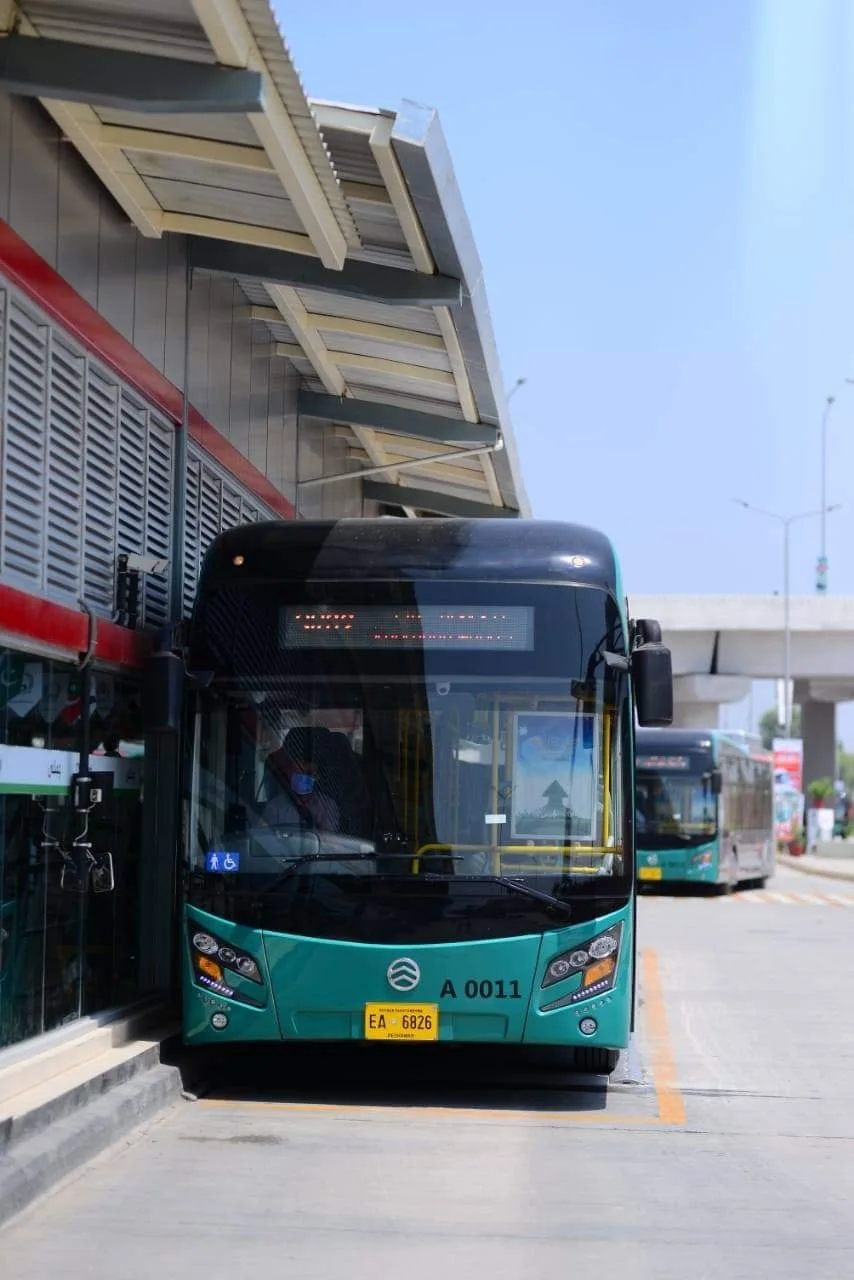
Peshawar Pink Bus for women: 21 km BRT route, 18 stations, fare 25% lower
Five women-only buses now run from Gulbahar Chowk to Karkhano Market on weekdays at peak hours. The BRT fleet also grows to 296 buses.
10h ago
Pakistan
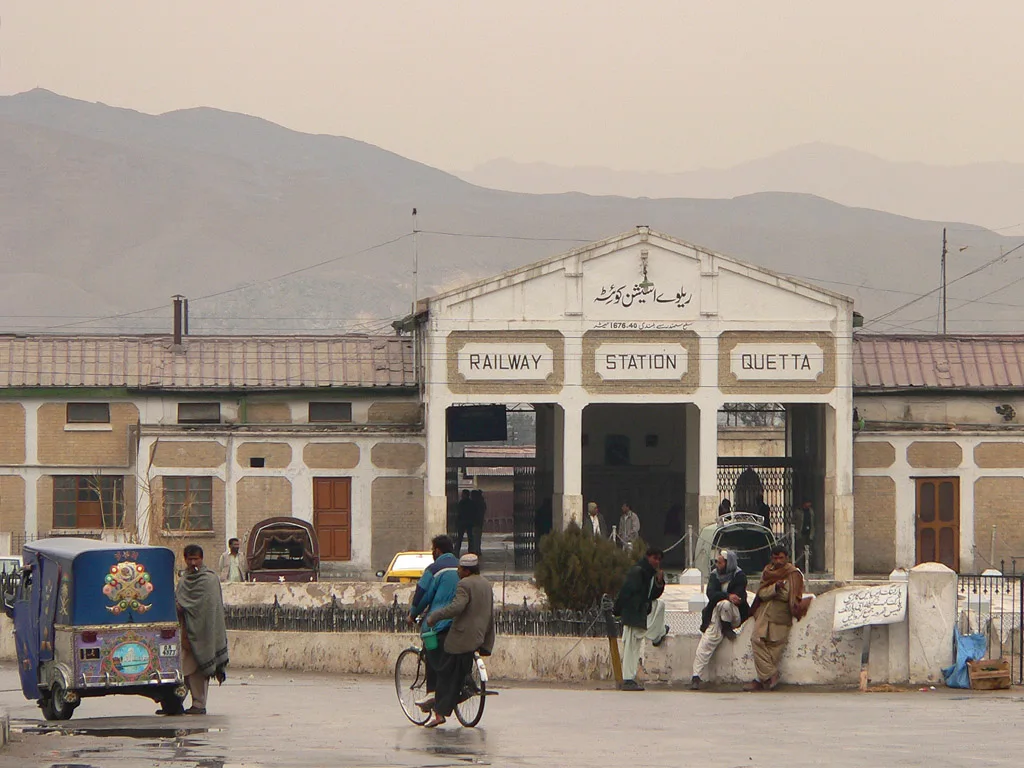
Jinnah Peoples Train Quetta: Rs 50 to Rs 100 fare, 7 stations from Kuchlak to Sariab
Balochistan's first mass-transit train now runs on a 32 km line through Quetta. Here are the stations, the fares, who rides free and what it saves over a daily bike ride.
10h ago
Pakistan
Passport office Karachi: one-stop centre for passport, CNIC and arms licence planned
Mohsin Naqvi wants a master plan in 10 days for Pakistan's largest facilitation centre in Karachi. No site or opening date yet.
18h ago
Reader comments 0
No comments yet. Say something useful.