China plans to ban export of perovskite, tandem and fluidized-bed polysilicon solar technology; TOPCon and HJT restricted
Beijing's commerce ministry wants 12 solar-manufacturing technologies on its export-control list, with comments open until 15 November. What it covers, and what it does not.
China's Ministry of Commerce has proposed putting 12 solar-manufacturing technologies on the country's export-control list, banning the export of some outright and restricting others, Reuters reported in a story carried by Business Recorder on 18 October. Public comments close on 15 November 2026.
The proposal is part of a wider revision of the list that also covers artificial intelligence and biotechnology.
What would be banned and what restricted
| Status | Technology |
|---|---|
| Export banned | Making some thin silicon wafers |
| Export banned | Perovskite and tandem (perovskite on silicon) solar cells |
| Export banned | Large-scale fluidized-bed polysilicon production |
| Restricted, licence needed | Advanced cell manufacturing: TOPCon, HJT and XBC |
Fluidized-bed polysilicon is cheaper and uses less energy than the dominant Siemens process, and polysilicon is the raw material of almost every panel. Perovskite and tandem cells promise higher efficiency, which is why both are seen as the next generation of panels. TOPCon is the cell type in most high-efficiency panels sold today.
Until the catalogue is formally updated, exporters must register certain technology transfers abroad.
Why Beijing says it is doing this
The ministry cited national security, saying solar technologies are increasingly used in sensitive fields such as aerospace and defence. It said the aim is to stop technologies "running out of control or being improperly disseminated" while keeping normal scientific exchange open. Reuters has reported that China already curbs exports of solar-manufacturing know-how to India, which is trying to build its own factories, and that the curbs could hit US plans, including Tesla's, to make more panels at home.
What it means for Pakistan
The proposal as reported covers manufacturing technology, the know-how and equipment processes for making cells and polysilicon, not finished panels. Pakistan imports almost all its panels from China, and nothing in the proposal names panel exports, so there is no sign yet of a direct effect on panel prices here. Solar is now about a fifth of the country's electricity (our story on 2025 output).
Where it could matter is any plan to make cells, rather than just assemble panels, in Pakistan: Chinese partners would need export licences for TOPCon or HJT lines, and the newest cell types could not be transferred at all.
Track dealer rates on our solar panel price per watt page, size a system with the solar panel calculator and check the payback with the solar payback calculator.
Frequently asked questions
- Will China's solar export controls raise panel prices in Pakistan?
- Not directly as proposed: the list covers manufacturing technologies such as TOPCon, HJT, perovskite cells and fluidized-bed polysilicon, not finished panels.
- When do China's solar technology export controls take effect?
- They are a proposal. Public comments close on 15 November 2026; until the catalogue is updated, exporters must register certain technology transfers.
Sources
More in Business
Business
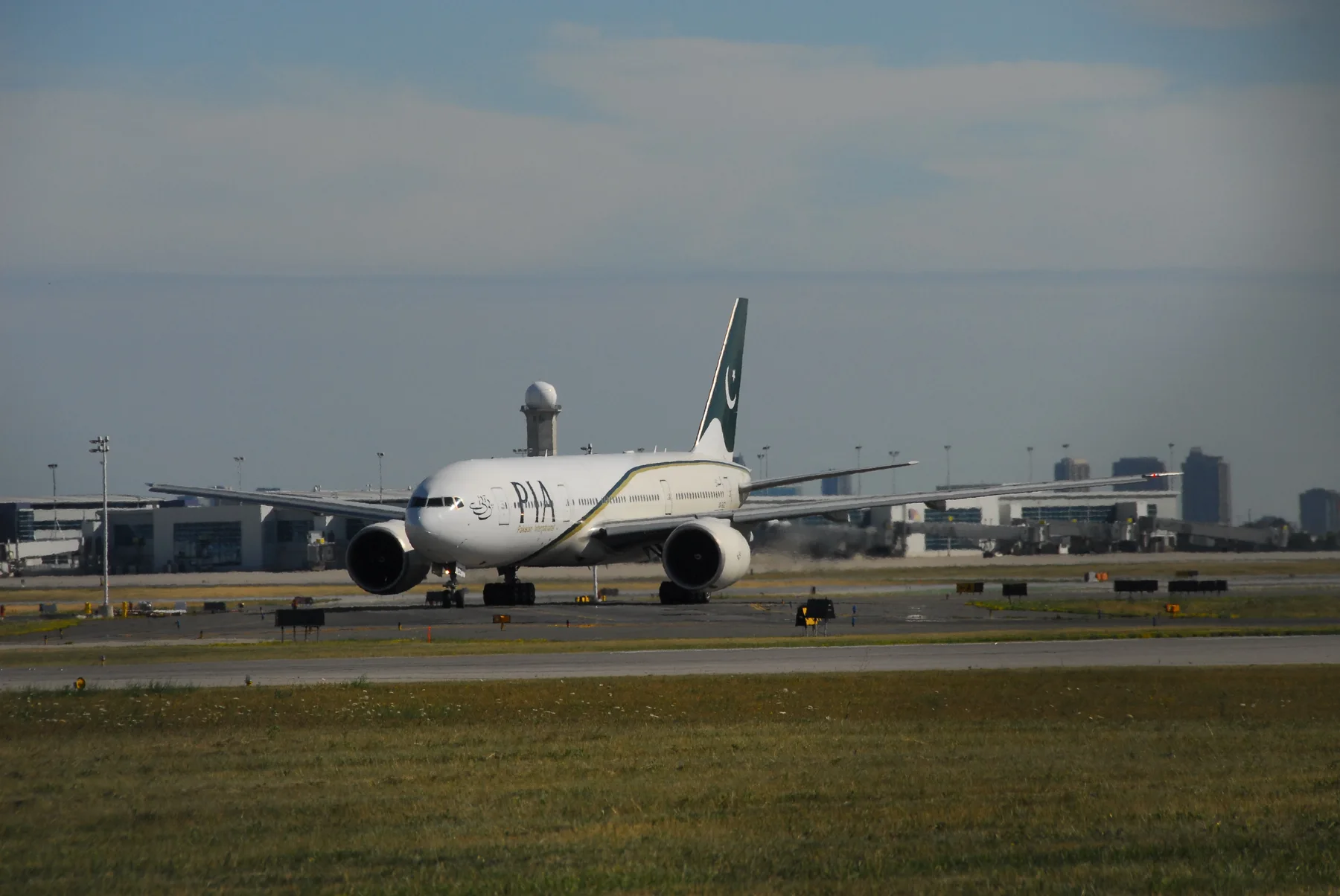
PIA to fit full-flat Business Class seats on five Boeing 777s, with an option on four more
The refit, signed with Germany's Aerotec Group, is the first big cabin project since PIA's privatisation. No dates or cost were given.
1d ago

Business
PIA nominates Salam Air chief Adrian Hamilton Manns as its new CEO, Business Recorder reports
The Oman budget airline's chief executive, a self-described turnaround specialist, is expected to take charge of the privatised national carrier by the end of October once clearances are done.
1d ago
Reader comments 0
No comments yet. Say something useful.