World Bank rates Pakistan's $700m tax reform programme 'moderately satisfactory', flags vacant chief statistician post
The bank says most revenue targets are on track for a 15% tax-to-GDP ratio by 2030, but the PBS has had no chief statistician since 24 September and that breaches a programme condition.
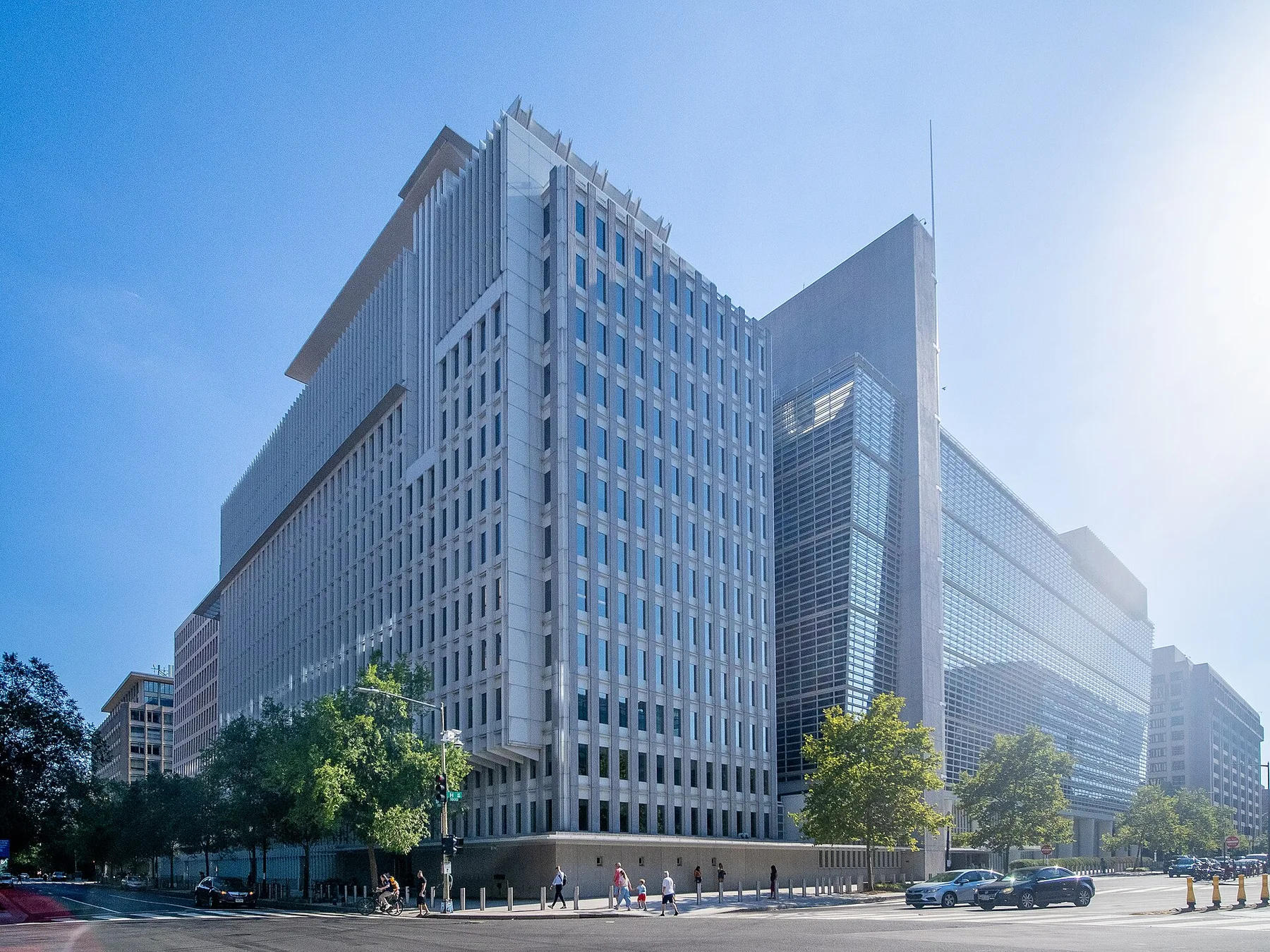
The World Bank has rated two of its Pakistan programmes, including a $700 million tax and spending reform loan, "moderately satisfactory" with "substantial risk", in progress reports first reported by Dawn. The main programme is meant to lift Pakistan's tax-to-GDP ratio from 12.3% in June 2025 to 15% by June 2030.
The two programmes
| Programme | Size | What it pays for | Rating |
|---|---|---|---|
| Public Resources for Inclusive Development (PRID), multiphase | $700m | Federal and provincial revenue reforms, better spending, data and digital tools | Moderately satisfactory, substantial risk |
| Connected Punjab | $70m | Broadband, digital public services and AI readiness, cashless payments in Punjab | Moderate to substantial risk |
PRID was approved by the bank's board on 19 December 2025 and an advance of $164.52 million has already been paid. The bank said progress is strong on most of the results that trigger payments, which means more money is released as targets are met.
What the bank flagged
- No chief statistician. The post at the Pakistan Bureau of Statistics (PBS) has been vacant since 24 September 2026, and the PBS governing council has not been formed. Both are conditions of the programme. The bank said the post must not stay empty and that an existing official cannot simply be given the job as an extra charge.
- Risk. Political and governance risk is rated high; macroeconomic, institutional and fiduciary risks moderate to substantial.
The PBS matters to every household: it publishes the CPI inflation figure that drives the State Bank's rate decisions, and the census and labour data that decide how money is shared between provinces.
Connected Punjab
For the $70m Punjab programme, which runs to June 2031, the bank noted "strong ownership at the highest levels" of the provincial government. The Punjab Information Technology Board is the lead agency. The next steps are an AI oversight committee, a data governance framework, a personal data protection strategy and a cybersecurity strategy.
What 15% of GDP would mean for taxpayers
Raising tax from about 12% to 15% of GDP means collecting roughly a quarter more relative to the size of the economy. The government has said it wants most of that from people and sectors that pay little now (retail, property, agriculture) rather than from salaried workers, who already pay at source. To see what you pay today, use our income tax calculator; if you are not yet on the active taxpayer list, our guide to becoming a filer explains the steps and the lower withholding rates filers get.
Frequently asked questions
- What is Pakistan's tax-to-GDP target under the World Bank programme?
- The $700m PRID programme aims to raise Pakistan's tax-to-GDP ratio from 12.3% in June 2025 to 15% by June 2030.
Reader comments 0
No comments yet. Say something useful.