Dengue in Rawalpindi: 53 confirmed cases, no deaths, peak season until 15 November
Confirmed cases have risen from 9 to 53 since mid-September and 14 patients are in hospital. Officials say the count covers government hospitals only.
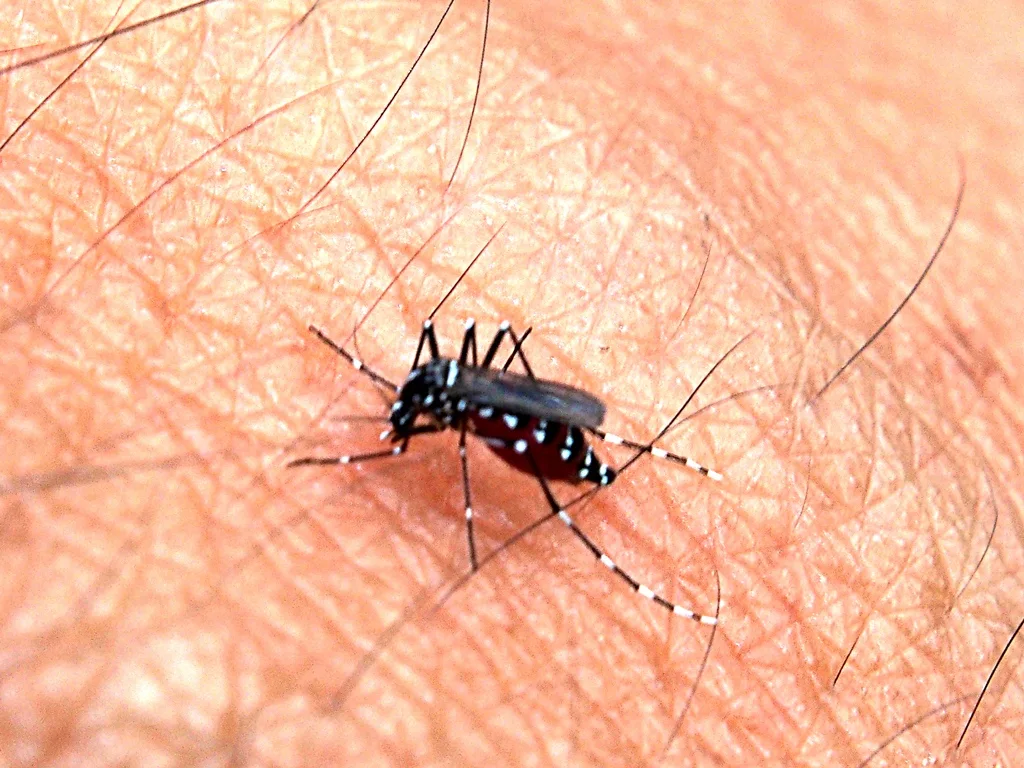
Update, 13 October 2026: Rawalpindi has now confirmed 53 dengue cases this season, up from 9 in mid-September, with no deaths, the District Health Authority reported on Saturday, 10 October. 14 patients are in hospital across the district, 8 of them confirmed cases in isolation wards, The Nation reported.
The Health Department has declared the period until 15 November the peak and most critical phase of the season, The Express Tribune reported. Officials expect larvae to die off once rain stops and the weather turns cold after that.
The latest numbers (10 October)
| Measure | Mid-September | 10 October |
|---|---|---|
| Confirmed cases | 9 | 53 |
| Patients screened | 4,339 | 5,412 |
| Suspected cases | 4,010 | 4,981 |
| Homes inspected | 4.88 million | 5.41 million |
| FIRs registered | 2,543 | 2,798 |
| Premises sealed | 652 | 686 |
| Challans | 2,119 | 2,331 |
| Fines | Rs 2.57 million | Rs 3.156 million |
Inspectors have now found mosquito larvae at 217,980 locations this season. The highest Breteau Index, a measure of how many containers hold larvae per 100 houses, was recorded in Kulyal, Potohar Town (309.3) and Chaklala Cantonment (23.66). Areas with confirmed cases are declared hotspots, and spraying is ordered at every house around them.
One caution from the Health Department itself: the figures cover government hospitals only. Data from private hospitals and clinics is not collected, so the real count is higher.
If you have a fever, our guide to the dengue test price in Pakistan explains which test to ask for and what it costs.
Earlier: mid-September
Rawalpindi has confirmed nine dengue cases so far this season, district health authorities say, with no deaths reported and one suspected patient still in hospital.
The numbers behind that are the more useful part. Health facilities in the district have screened 4,339 patients and flagged 4,010 as suspected cases. More than 180,297 larval sites have been destroyed, chemically or physically.
Where the mosquito is
The heaviest concentration of positive vector samples has been found in the Rawalpindi Cantonment areas. Surveillance continues across 17,859 registered hotspots in the region.
The field effort is large: 1,400 teams, 985 of them indoor and 415 outdoor, have inspected more than 4.88 million residential properties and close to 1.69 million outdoor locations.
Enforcement has run alongside it. Authorities have registered 2,543 FIRs, sealed 652 premises that did not comply, issued 2,119 challans and imposed fines of Rs 2,568,000.
What the season means for you
Dengue peaks in Punjab after the monsoon, when standing water left in the places people do not look becomes breeding ground. The Aedes mosquito that carries it breeds in clean water, not drains, which is why indoor teams matter as much as outdoor ones.
The places that get sealed or challaned are usually the same list: uncovered water tanks, tyres stacked at workshops, roof coolers left with water in them, plant pot trays, construction sites with pooled water, and discarded containers on rooftops.
Emptying and scrubbing containers once a week breaks the cycle, because the larval stage takes about a week. Covering an overhead tank properly does more than any spray.
When to get tested
Dengue starts as sudden high fever with severe headache, pain behind the eyes, joint and muscle pain and often a rash. A CBC showing falling platelets, together with an NS1 antigen test in the first few days of fever, is the standard first check at government and private labs in the district.
The warning signs that mean hospital, not home: bleeding from the gums or nose, vomiting that will not stop, severe abdominal pain, black stools, or sudden drowsiness. Avoid aspirin and ibuprofen with a suspected dengue fever; paracetamol is the one usually advised.
A confirmed count of nine with 4,010 suspected cases screened suggests the district is finding cases early rather than that the disease is absent. The gap between those two numbers is what surveillance looks like when it is working.
This is general information, not medical advice. See a doctor for a fever that lasts more than two days.
Frequently asked questions
- How many dengue cases are confirmed in Rawalpindi in 2026?
- 53 confirmed cases with no deaths as of 10 October 2026, according to the District Health Authority, with 14 patients in hospital.
- When does the dengue season peak in Rawalpindi?
- The Punjab Health Department has declared the period until 15 November the peak and most critical phase.
Sources
- Rawalpindi confirmed dengue tally reaches 53 with zero fatalities: The Nation
- Rawalpindi battles rising dengue threat: The Express Tribune
- Nine Dengue Cases Confirmed in Rawalpindi, over 180,000 larval sites destroyed: ARY News
- Punjab Health Department dengue surveillance: Government of Punjab
More in Health
Health
Ebola outbreak in Congo passes 8,700 cases as Kenya confirms its first imported case
The Bundibugyo strain has spread to 64 health zones in seven provinces of the DRC, and a Kenyan who travelled home via Kampala died in Nairobi. There is no approved vaccine for this strain.
2d ago
Health
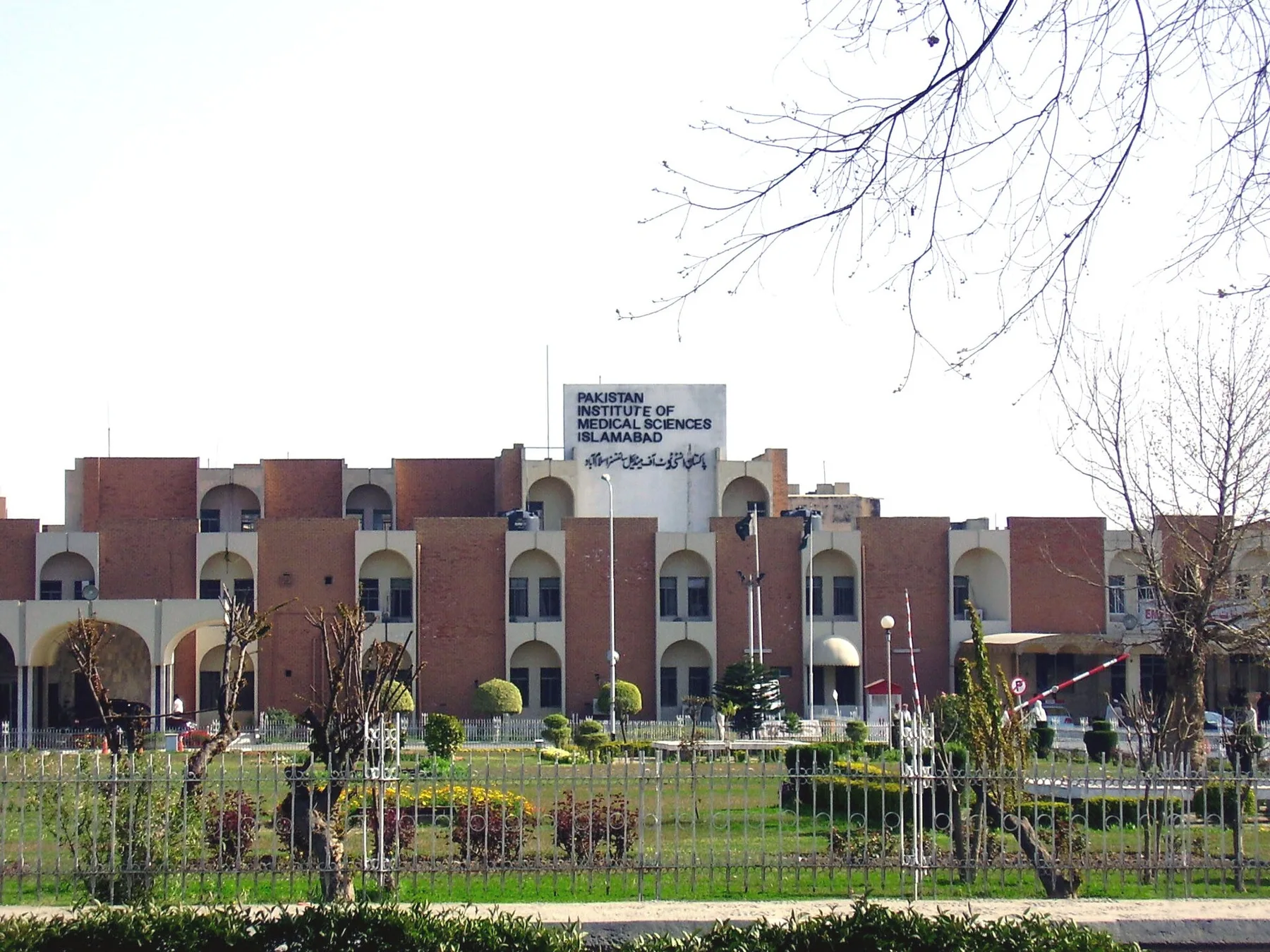
PIMS reforms: new ED Tanveer Khaliq to replace old equipment, plan thoracic surgery unit
Surgery, medicine and dialysis get new machines first, house jobs get a new selection policy, and three surgical master's programmes start at Islamabad's biggest public hospital.
2d ago
Reader comments 0
No comments yet. Say something useful.