Google releases Gemini 4 Argon to developers at $2 per million input tokens
Two weeks after showing it only to cyber-security partners, Google has opened its new flagship model to paying developers, businesses and Gemini subscribers.
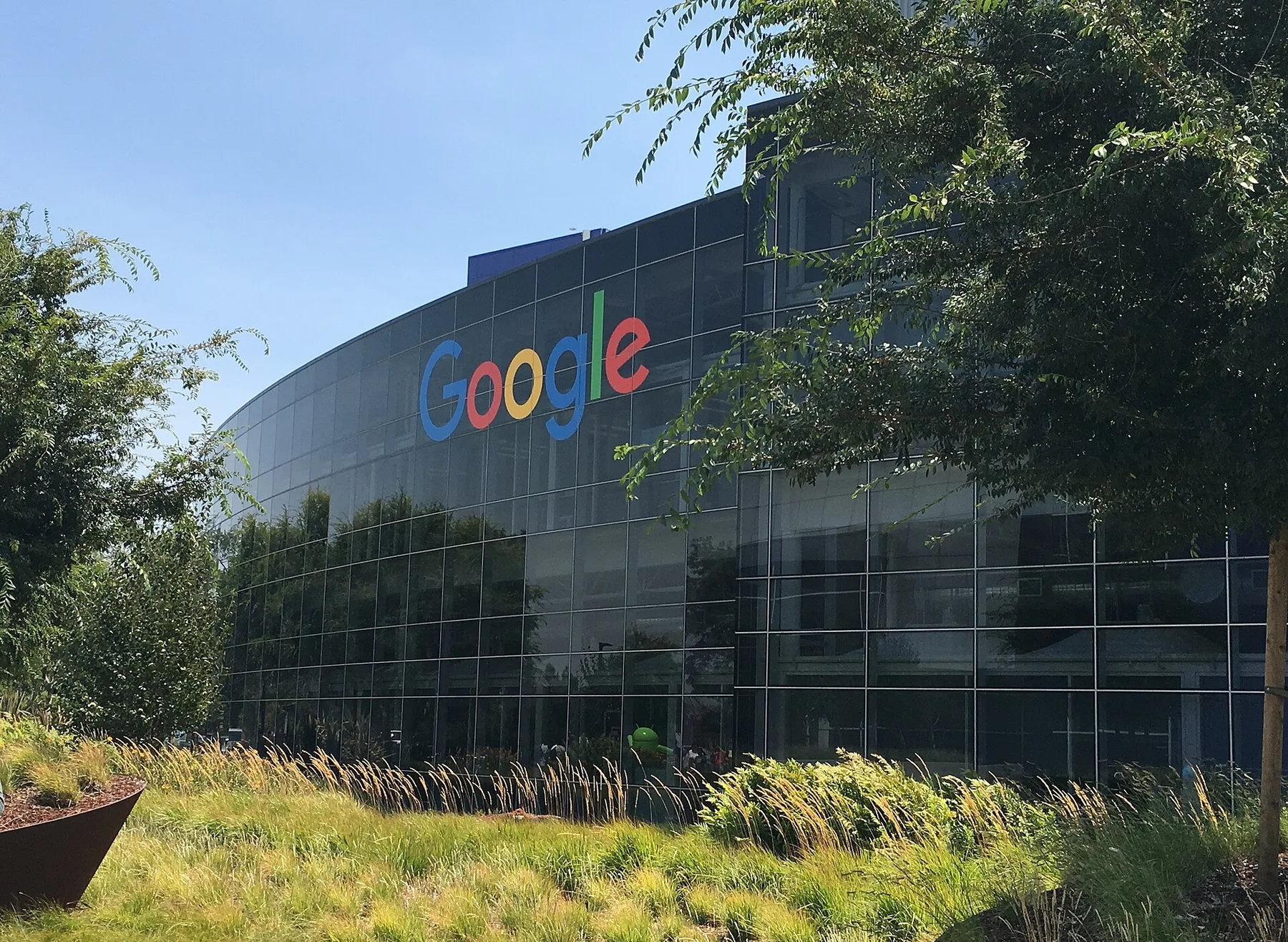
Google has released Gemini 4 Argon, its new flagship AI model, to developers and businesses. A post on Google's official blog dated Tuesday, 13 October, says developers can start building with it on the paid tier of the Gemini API, and that Google AI Ultra subscribers can try it in Google AI Studio and Google Antigravity, the company's agent-first coding platform.
Who gets Gemini 4 Argon, and where
- Developers: paid tier of the Gemini API only, per Google's blog post.
- AI Studio and Antigravity: Google AI Ultra subscribers.
- Gemini app and AI Mode in Search: Google AI Pro and Ultra subscribers, Reuters reported. Antigravity remains limited to Ultra.
- Free users: neither Google nor Reuters mentions free access.
Google describes Argon as a model for long, multi-step "deep work": large code migrations, enterprise knowledge work, cyber-security defence and research. Neither Google's post nor the Reuters report lists which countries can use it, and neither mentions Pakistan.
The price, and what it is in rupees
Reuters reported launch API pricing of $2 per million input tokens and $10 per million output tokens, rising to double those rates after 30 November. At the dollar rate of Rs 276.96 recorded on our USD to PKR page on 13 October, that is about Rs 554 per million input tokens and Rs 2,770 per million output tokens, before card charges. A Pakistani developer paying in dollars by card should also budget for the bank's foreign-transaction fee; the currency converter does the arithmetic for other amounts.
Why it took this long
Argon was first announced on 30 September, when Google gave it only to selected cyber-security partners and set no public release date. Reuters described Tuesday's launch as Google's attempt to regain ground on OpenAI and Anthropic after months of delays. In September Google dropped plans for Gemini 3.5 Pro, which chief executive Sundar Pichai had said would arrive in June, and DeepMind was reorganised after co-founder Demis Hassabis stepped aside.
What Google says it can do
According to Reuters, Google says teams using Argon in Antigravity raised agent-written code submissions by more than 35% and cut code rollbacks by nearly a third. Early testers named by Google include Deloitte, LexisNexis, Ambience Healthcare and Isomorphic Labs. These are the company's own figures and have not been independently checked.
Google is also widening its Fairwind programme, which gives vetted cyber defenders a version of Argon without its usual cyber-security guardrails, to hundreds more partners, and will give 10,000 scientists six months of free access to Antigravity's highest usage tier, Reuters said.
What to do if you want to try it
Check whether your Google account and billing country can reach the paid Gemini API before committing to a project, since availability by country is not spelled out in the announcement. If you already pay for Google AI Pro or Ultra, look for Argon in the model picker of the Gemini app.
Frequently asked questions
- How much does Gemini 4 Argon cost?
- Reuters reported launch API prices of $2 per million input tokens and $10 per million output tokens, doubling after 30 November 2026.
- Is Gemini 4 Argon available in Pakistan?
- Google's announcement does not list countries and does not mention Pakistan, so availability here is not confirmed.
Sources
- Gemini 4 Argon is now available for developers: Google
- Google launches flagship AI model Gemini 4 Argon for developers, businesses: Reuters (via KFGO)
- Google announces Gemini 4 flagship AI model after months of delays: Reuters (via Khaleej Times)
More in AI

AI
Meta's Muse Wonder AI model costs $20 or $100 a month: about Rs 5,540 to Rs 27,700 in Pakistan
Meta has put its most advanced assistant model behind a paywall in the Muse app, with a stronger Wonder Full version for coders at $50 or $200. What you get and what Meta says about privacy.
1d ago

AI
Microsoft Maia 300 chip to run most of its AI from 2027, cutting reliance on Nvidia
Microsoft's third-generation chip packs 96 to a rack and claims 40% more output per megawatt than GPUs. Nvidia still trains its models, and analysts put Maia at about a tenth of its AI chip spending.
1d ago
AI
Apple hires team from Huxe, the AI podcast startup built by ex-NotebookLM developers, in EU filing
Apple told the European Commission it will offer jobs to some Huxe staff and take a non-exclusive licence to its technology. No price was disclosed.
2d ago
Reader comments 0
No comments yet. Say something useful.