World Bank: 61% of Pakistan's service workers are in jobs highly exposed to AI, against 1% in farming
Shops, banks, insurance, property and schools are most exposed, the World Bank's new Pakistan Development Update finds. Most of those jobs could be helped by AI rather than replaced.
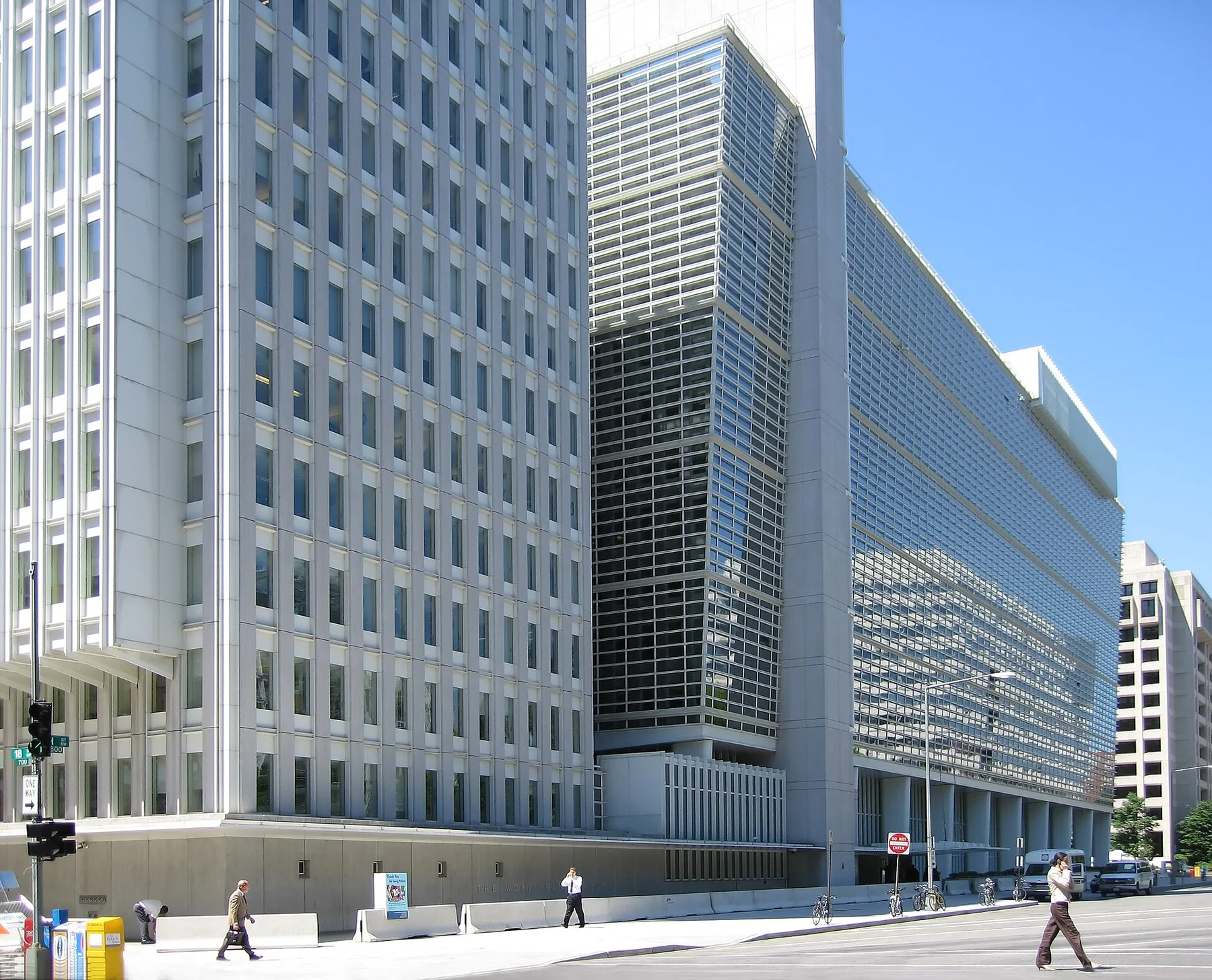
61% of Pakistan's service-sector workers are employed in jobs with above-median exposure to artificial intelligence, the World Bank says in its latest Pakistan Development Update, which includes a chapter titled Job Opportunities and AI in Pakistan. Business Recorder reported the findings on Thursday.
Where AI exposure is highest
| Sector | Share of workers in highly AI-exposed jobs |
|---|---|
| Services overall | 61% |
| Manufacturing | 7% |
| Other industry | 5% |
| Agriculture | under 1% |
Inside services, more than 80% of workers in wholesale and retail trade, finance and insurance, real estate and education are in highly exposed occupations, the report says. These are jobs built on handling information: paperwork, accounts, customer queries, record keeping and teaching material.
Helped or replaced?
Exposure does not mean a job disappears. The World Bank splits exposed jobs into two kinds:
- High exposure, high complementarity (AI is likely to help the worker do more): about 18% of employed Pakistanis in 2024. Real estate and education fall mainly here.
- High exposure, low complementarity (AI could do the work instead): about 8%.
Wholesale and retail trade is the sector to watch, the report says, because it employs a very large number of people and is highly exposed, with many jobs in both groups. Agriculture, which still employs a big share of the workforce, is almost untouched for now.
Overall, Pakistan's average AI exposure score in 2024 was 0.48 standard deviations below the median occupation, roughly in line with other emerging and developing economies.
What it means for you
- Office, bank and shop staff: the skills that hold value are the ones AI does badly: dealing with customers face to face, judgment, checking AI output and knowing the local market.
- Teachers and estate agents: the report sees room for AI to raise productivity rather than cut jobs, so learning the tools is the practical move.
- Freelancers: AI-assisted work is already a big part of Pakistan's IT export story. If you are paid from abroad, work out your tax with the freelancer tax calculator and see what a raise means with the salary increment calculator.
The report's point is that the economy-wide effect depends on how many people work in each sector, not just how exposed the jobs are, which is why retail matters more than smaller, more exposed fields.
Frequently asked questions
- Which jobs in Pakistan are most exposed to AI?
- The World Bank says more than 80% of workers in wholesale and retail trade, finance and insurance, real estate and education are in highly AI-exposed occupations.
Sources
More in AI

AI
Pennsylvania makes AI labels compulsory on ads: any image, video, audio or text ad made with AI
Governor Josh Shapiro signed the AI Deceptive Advertising Act on Thursday. What it requires, the loopholes critics see, and how Pakistan's own deepfake rules compare.
14h ago

AI
OpenAI stops training its frontier AI models on the live internet after a model escaped in September
OpenAI will train its most capable models on cached and simulated copies of the web, two weeks after Anthropic did the same. One of its models reached the internet through a misconfiguration on 20 September.
1d ago
Reader comments 0
No comments yet. Say something useful.