Mental health in Pakistan: one in three adults has a mental disorder, first national survey of 18,000 people finds
The BMJ study, led from Hamdard University in Karachi, found 32% of adults living with a mental or behavioural disorder and about one in five meeting the criteria for PTSD.
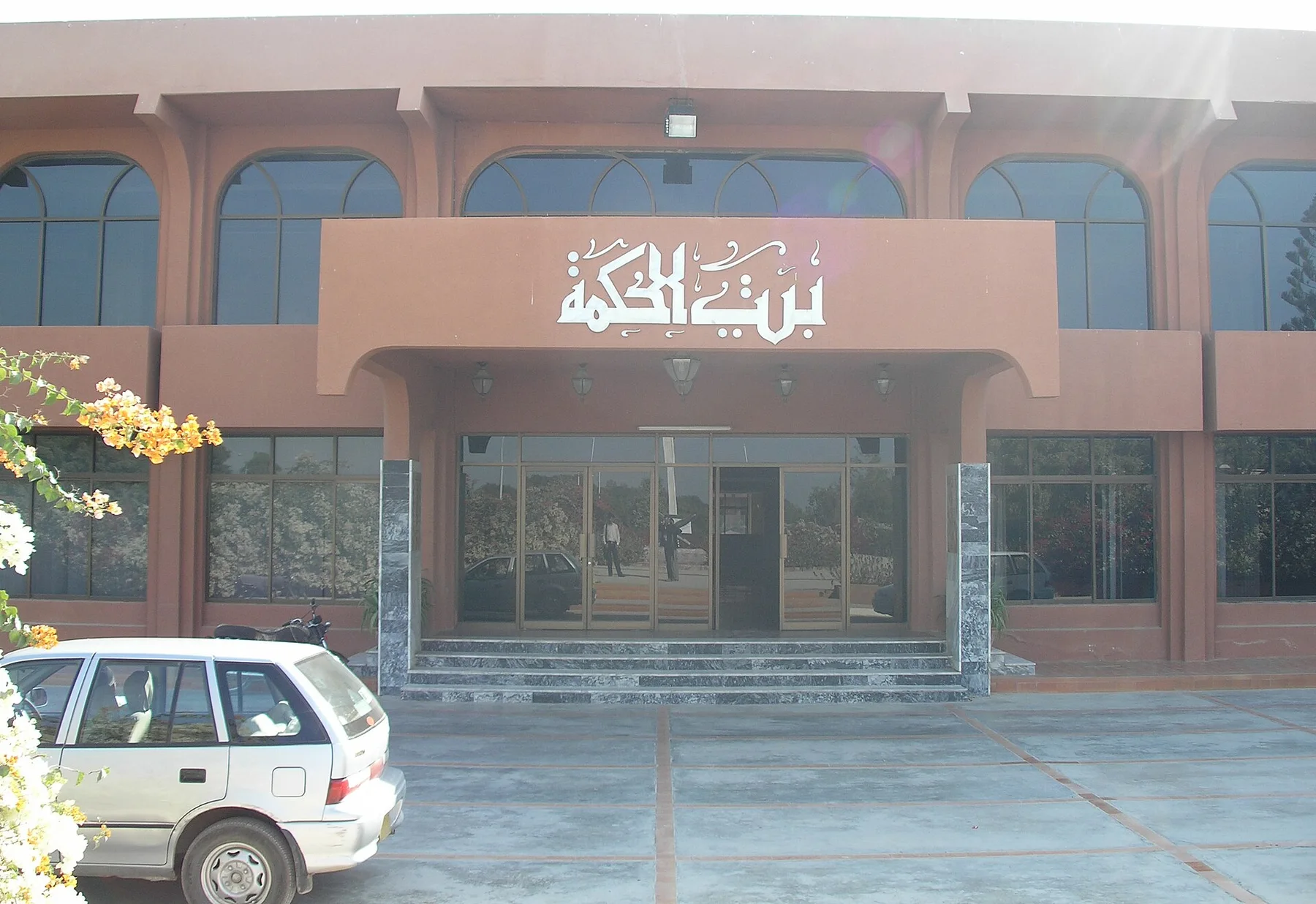
About one in three adults in Pakistan, 32%, is currently living with a mental or behavioural disorder, according to the country's first nationally representative mental health survey, published in the British Medical Journal. The study interviewed nearly 18,000 adults across all four provinces between 2018 and 2022, using survey areas and a sample drawn up by the Pakistan Bureau of Statistics, Dawn reported on Sunday.
What the survey found
| Measure | Share of adults |
|---|---|
| Living with a mental or behavioural disorder now | 32% |
| Had a disorder at some point in their life | 38% |
| Met the criteria for post-traumatic stress disorder (PTSD) | about 1 in 5 |
| Had depression | more than 1 in 10 |
Rates were higher among older adults, people with less education and lower incomes, the unemployed, and people who were widowed, divorced or separated.
For a country of Pakistan's size, 32% of adults is tens of millions of people. Until now, policy has relied on smaller studies of single cities or hospitals; this is the first survey designed to represent the whole adult population.
Who did the research
The lead investigator is Prof Raza-ur-Rahman, head of psychiatry at Hamdard University in Karachi, and the senior co-author is Prof Anjum Memon of Brighton and Sussex Medical School in the UK. The University of South Florida and psychiatric institutions across Pakistan also took part.
"This survey provides the evidence needed to develop effective mental health policies and services in Pakistan," Prof Raza-ur-Rahman said. Prof Wajid Akhundzada, president of the Pakistan Psychiatric Society, said the country "currently faces major challenges in the provision of mental healthcare."
What the researchers want changed
- Mental health care inside primary care, so a patient can be seen at a basic health unit or a family doctor rather than only at a big-city psychiatric hospital.
- More community-based support, outside hospitals.
- Better training for frontline health workers, including lady health workers and general practitioners, to recognise depression, anxiety and trauma.
- A sustained national effort against stigma, which keeps many people from asking for help.
If you or someone at home is struggling
Depression and PTSD are treatable. A general physician can assess you and refer you to a psychiatrist or clinical psychologist; most teaching hospitals run a psychiatry outpatient department. You can find hospitals near you in our directory for Karachi, Lahore and Islamabad. If someone is in immediate danger, call Rescue 1122 or take them to the nearest emergency department.
Some hospitals now treat patients free of charge; see our report on the new Margalla Hospital in Islamabad.
Frequently asked questions
- How many people in Pakistan have a mental disorder?
- The first national survey, of nearly 18,000 adults, found 32% currently living with a mental or behavioural disorder and 38% who had one at some point in their life.
- Who carried out the Pakistan mental health survey?
- It was led by Prof Raza-ur-Rahman of Hamdard University, Karachi, with Prof Anjum Memon of Brighton and Sussex Medical School, and published in the British Medical Journal.
Sources
More in Health
Health
Pakistan among world's 10 worst food crises: 10.6 million people need aid in 2026, Action Against Hunger says
A report for World Food Day puts Pakistan alongside Sudan, Yemen and Afghanistan, citing floods, drought, heatwaves and food inflation. What the figures cover.
1d ago
Reader comments 0
No comments yet. Say something useful.