Pakistan's food supply short of its own dietary guidelines: FAO finds vegetable gap of up to 21.6 million tonnes
An FAO brief says Pakistan grows more cereal and sugar than its people need but far too few vegetables, fruits and pulses, while one in four households is food insecure.
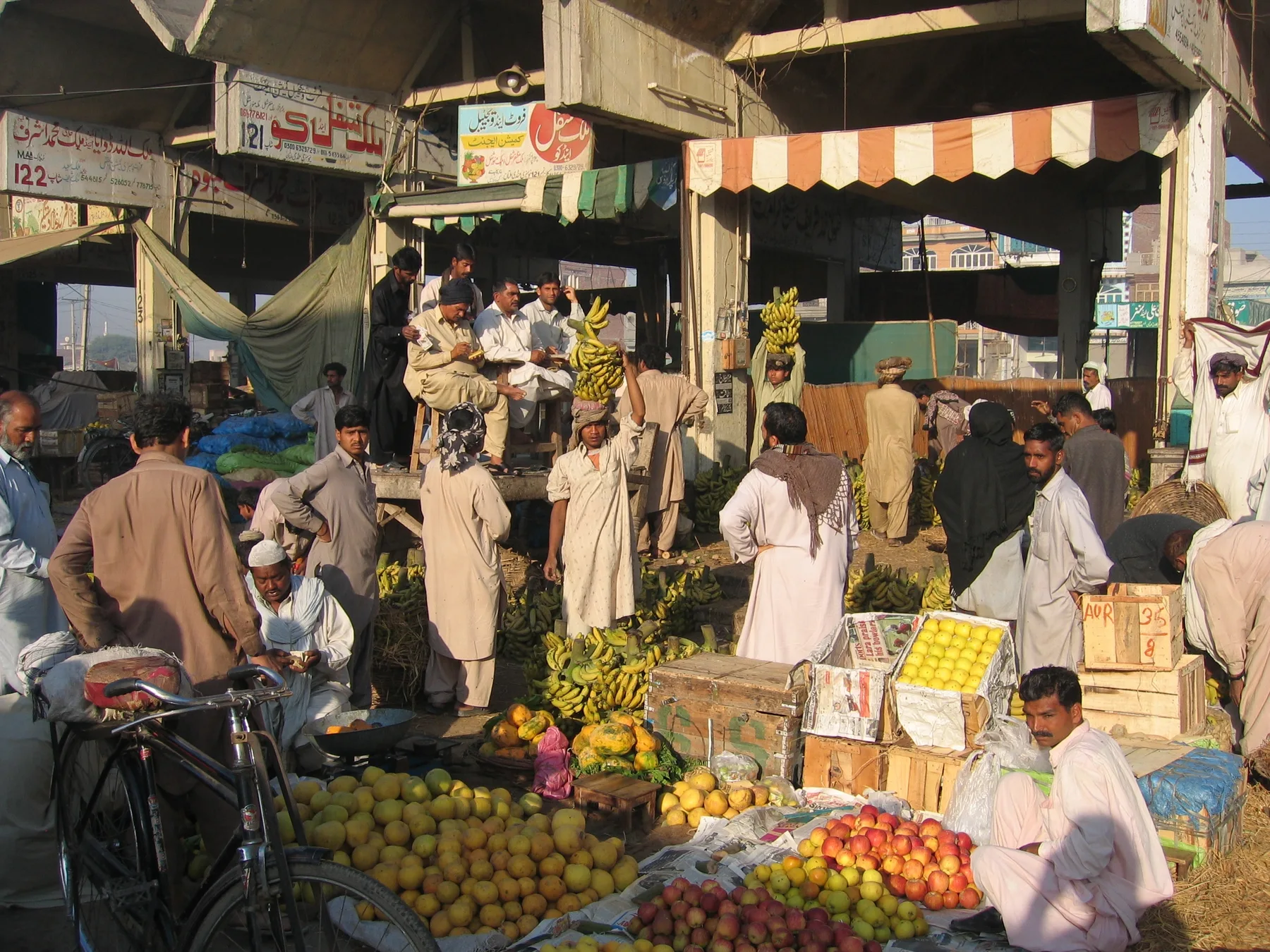
Food security in Pakistan is held back less by how much food the country produces than by what it produces, a new policy brief from the UN's Food and Agriculture Organization (FAO) finds. The brief, Food Supply for Healthy Diets in Pakistan, compares the country's yearly food supply from 2010 to 2023 with what its population would need to eat according to Pakistan's own 2018 food-based dietary guidelines, Dawn reported on 26 October 2026.
Too much wheat and sugar, too few vegetables
The brief looked at the ten food groups in the guidelines. Its headline findings:
| Food group | What FAO found |
|---|---|
| Cereals | Supply above what the diet needs |
| Sugar | Supply above what the diet needs |
| Vegetables | Gap widened from 10.9 to 17.8 million tonnes (2010) to 13 to 21.6 million tonnes (2023) |
| Fruits | Gap widened from 1.9 to 10.3 million tonnes (2010) to 3.9 to 14.3 million tonnes (2023) |
| Roots and tubers, pulses | Persistent shortages |
| Milk, meat, eggs | Improved over the period |
| Fats and oils | Moved from a small gap into the required range |
The population the food has to feed grew from 189.3 million in 2010 to 235.2 million in 2023 and is projected to reach about 330 million by 2050. FAO said more than 60% of Pakistanis cannot afford a healthy diet.
One in four households food insecure
Separately, figures from the Household Integrated Economic Survey (HIES) 2024-25, presented in Karachi on Sunday by the Pasban Democratic Party and reported by Business Recorder, put moderate-to-severe food insecurity at 24.35% of households, up from 15.92% in 2018-19. Severe food insecurity, where families regularly skip meals, stood at 5.04%. Balochistan (30.3%) and Sindh (29.4%) were the worst-hit provinces, and the poorest fifth of households had a rate of 45.9% against 9% for the richest fifth.
What FAO recommends
- Fiscal and regulatory measures to shift farm production and trade towards vegetables, fruits, pulses and roots and tubers.
- Less post-harvest loss and food waste, and better distribution.
- Updated dietary guidelines and nutrition education.
- Evidence-based taxes on drinks and foods high in sugar, salt or unhealthy fats.
- Front-of-pack nutrition labels.
- Incentives for food processors to cut salt, sugar and unhealthy fats.
What it means at home
The gap shows up in prices: when vegetables and pulses are scarce, they cost more, and families fill up on cheap roti and sugar instead. Inflation was 10.3% year on year in September (see our inflation page), and food takes a large share of household budgets. Families on BISP support can check their status through our BISP 8171 guide.
Frequently asked questions
- What percentage of households in Pakistan are food insecure?
- HIES 2024-25 figures put moderate-to-severe food insecurity at 24.35% of households, up from 15.92% in 2018-19, as reported by Business Recorder.
Reader comments 0
No comments yet. Say something useful.