Pakistan faces UN rights review in Geneva today: Aqeel Malik leads delegation to CESCR
Eighteen UN experts examine how Pakistan protects the rights to work, health, education and social security. Amnesty says the rights are still not binding law.
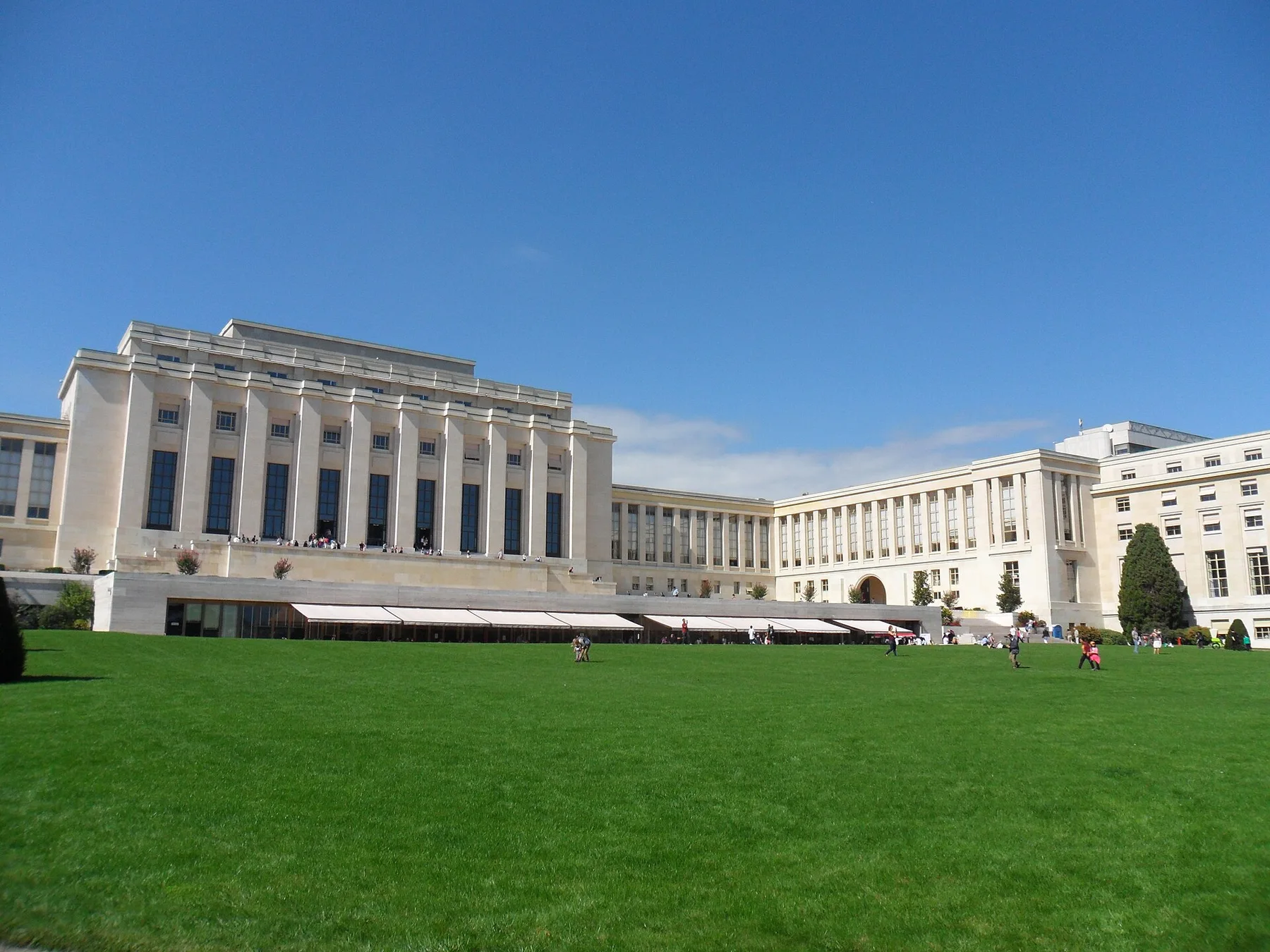
Pakistan's record on economic, social and cultural rights is being reviewed today, Wednesday 4 November, by the UN Committee on Economic, Social and Cultural Rights (CESCR) in Geneva, Dawn reported. The committee, a panel of 18 independent experts, is examining Pakistan's second periodic report under the International Covenant on Economic, Social and Cultural Rights, which covers rights such as work, fair wages, social security, health, education, housing and food.
Who is in Geneva for Pakistan
An 11-member delegation is led by Barrister Aqeel Malik, Minister of State for Law and Justice. It includes Pakistan's ambassador and permanent representative in Geneva, Tahir Andrabi, the secretary of the human rights ministry, and Nayyab Ali, a consultant on transgender rights. The review falls in the committee's eighth session.
Pakistan signed the covenant in November 2004 and ratified it in April 2008, which commits it to report regularly on how it is putting the covenant's Articles 1 to 15 into practice.
What Pakistan says, and what critics say
Pakistan's report tells the committee that covenant rights are increasingly enforceable under domestic law and that courts and administrative bodies can act when they are breached.
Amnesty International, in a submission cited by Dawn, says Pakistan has not taken "substantive steps" to make three of the covenant's rights binding in domestic law, and that despite constitutional amendments they have not been added to the fundamental rights chapter of the Constitution. Amnesty recommends:
- writing the covenant's rights fully into Pakistani law;
- making them directly enforceable in every court and tribunal;
- compulsory training on the covenant for judges, prosecutors, lawyers and officials.
What happens next
After the dialogue, the committee issues concluding observations: a public list of concerns and recommendations that Pakistan is expected to act on before its next report. They usually appear a few weeks after the session ends, on the UN human rights office website.
The review touches everyday issues covered across this site, from the minimum wage and EOBI pensions (our EOBI calculator) to school enrolment and the BISP cash programme.
Frequently asked questions
- What is the CESCR?
- The UN Committee on Economic, Social and Cultural Rights, a panel of 18 independent experts in Geneva that monitors how countries implement the International Covenant on Economic, Social and Cultural Rights.
Sources
More in Pakistan

Pakistan
Pakistan tests Fa'az, its first indigenously developed air-to-air missile, from a JF-17
ISPR says the missile has a terminal guidance system and longer range, and will add to the Pakistan Air Force's options. It follows two surface-to-surface missile tests in October.
11h ago
Pakistan
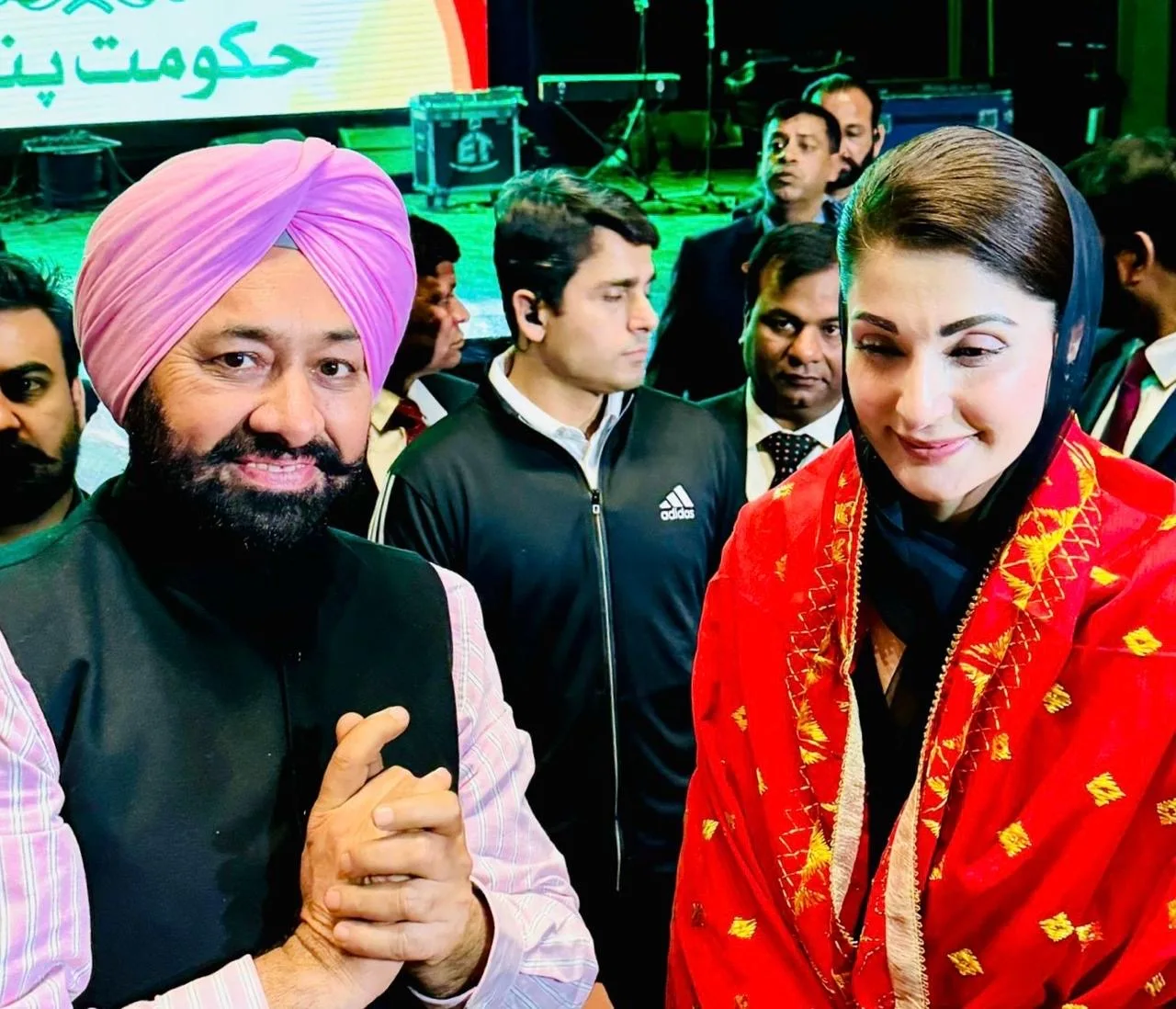
Suthra Punjab: Maryam Nawaz gives officials 15 days to clean up, waste firms may be dropped in four cities
Main roads to be washed daily, fines for dumping in markets and littering after sweeps, and self-run waste management planned for Lahore, Faisalabad, Gujranwala and Dera Ghazi Khan.
18h ago
Reader comments 0
No comments yet. Say something useful.