Pakistan and Russia agree to finalise extradition treaty in first visit by a Russian interior minister
Mohsin Naqvi and Vladimir Kolokoltsev also agreed an organised crime MoU, easier visas for tourists and traders, and closer work on cybercrime and narcotics.
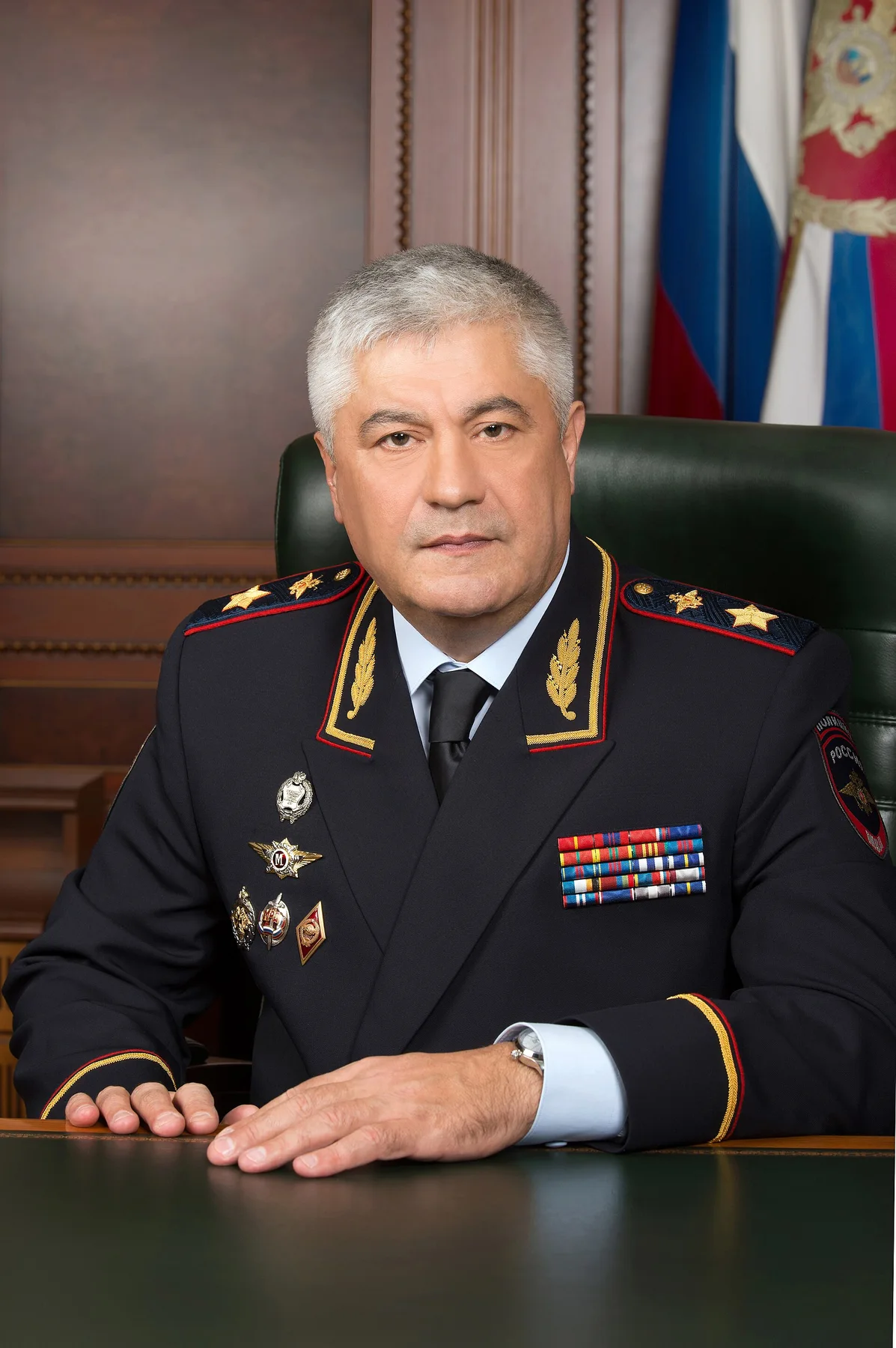
Pakistan and Russia have agreed to finalise an extradition treaty and a separate agreement on the exchange of criminals, Interior Minister Mohsin Naqvi said after talks with his Russian counterpart Vladimir Kolokoltsev in Islamabad on Wednesday, 14 October. Dawn reported the outcome from an interior ministry statement.
Kolokoltsev arrived on Monday for a four-day official visit at Naqvi's invitation. It is the first time a Russian interior minister has visited Pakistan.
What was agreed
The ministers met one to one and then led delegation-level talks. According to the ministry, the two sides agreed to:
- finalise an extradition treaty and an agreement on the exchange of criminals;
- sign a memorandum of understanding on preventing organised crime and sharing information, which Naqvi called an important milestone;
- put an existing readmission agreement into effect quickly;
- link Pakistan's Anti-Narcotics Force more closely with the relevant Russian agencies;
- exchange visits of working groups from both interior ministries soon;
- have the National Police Academy work with the Russian Police Academy on preventing cybercrime;
- make visas easier for tourists and business people.
Minister of State Tallal Chaudhry and the Russian ambassador were also at the talks.
Cybercrime and jobs
Naqvi said Pakistan wants to learn from Russia's experience against cybercrime. Kolokoltsev said Russia had cut cybercrime by 33 per cent through the measures it took, and that joint action was needed against all organised crime, including terrorism, drug smuggling and illegal migration.
The two sides also discussed sending skilled Pakistani workers to Russia. About 1,300 Pakistani students are studying in Russia now, and Islamabad wants that number to grow.
What it means for you
Nothing changes for travellers yet. No new visa rules, fees or dates were announced on Wednesday. An extradition treaty and the crime MoU still have to be drafted, signed and, for the treaty, ratified before anyone can be sent from one country to the other under them.
If you are planning a trip to Russia for study, work or business, budget in rupees with our currency converter and check the official requirements before you apply. For fees on your own documents, our passport fee calculator gives the current Pakistani charges.
Background
Relations have warmed in recent years. Since 2023 Pakistan has bought Russian crude oil, after Western sanctions over the war in Ukraine pushed Moscow to find new buyers, Dawn noted. In January President Vladimir Putin called the relationship mutually beneficial.
Frequently asked questions
- Has Pakistan signed an extradition treaty with Russia?
- Not yet. On 14 October 2026 the two interior ministers agreed to finalise an extradition treaty and a separate agreement on exchanging criminals. Signing dates were not announced.
- How many Pakistani students study in Russia?
- About 1,300, according to the interior ministry statement issued after the 14 October talks in Islamabad.
Sources
More in Politics
Politics
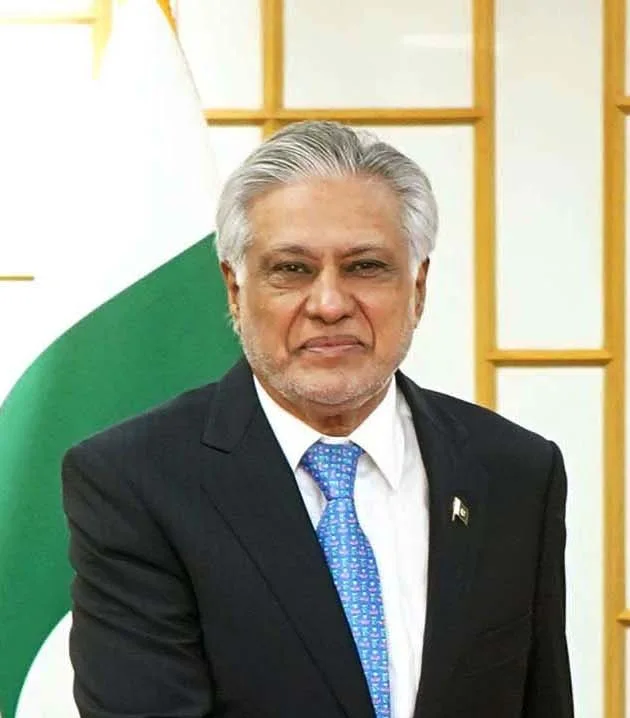
Dar calls Houthi attacks on Saudi Arabia 'totally unacceptable' as Pakistan and Oman agree visa waiver for officials
At the 8th Pakistan-Oman Joint Ministerial Commission, Dar also said all but one GCC member had agreed to a free trade deal with Pakistan.
1h ago
Politics
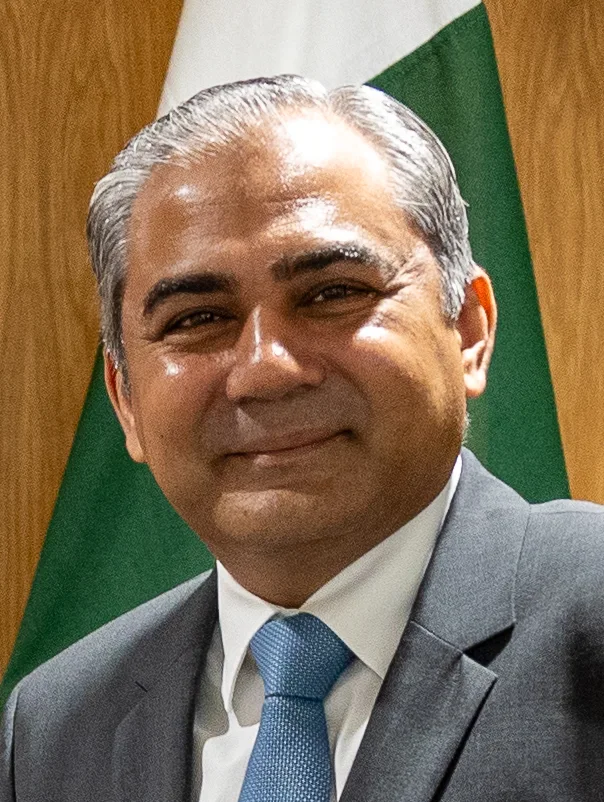
Pakistan and EU agree to fight illegal migration and widen legal routes for skilled workers as crossings fall 64%
Mohsin Naqvi and EU commissioner Magnus Brunner met in Islamabad on Tuesday. What they agreed, and what it means for Pakistanis who want to work in Europe.
1d ago
Politics
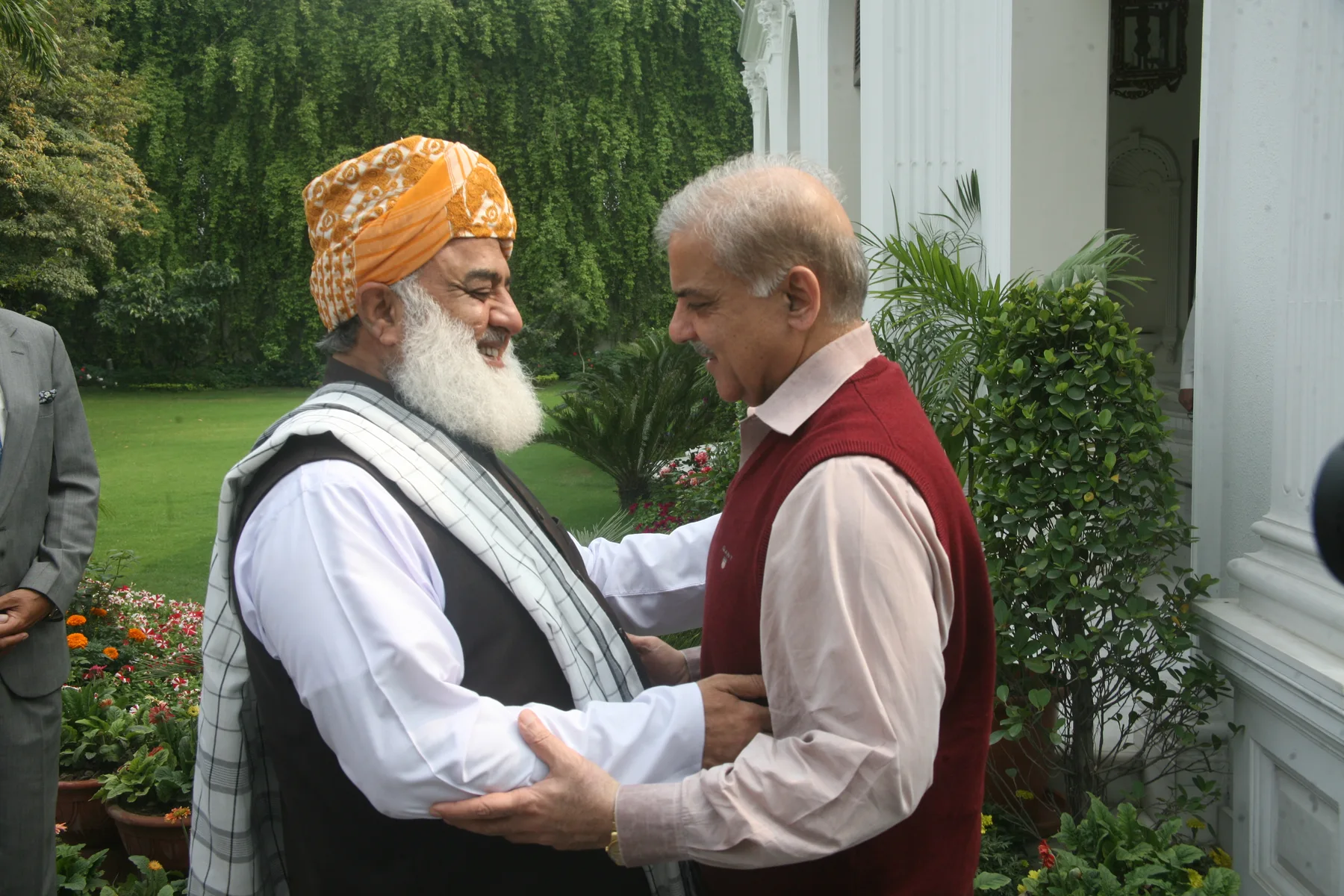
Fazl rejects KP emergency 'word for word', says govt asked him to mediate with PTI then went its own way
The JUI-F chief says Ishaq Dar told him of the emergency only in Sunday's cabinet meeting, and promises to fight governor's rule in Parliament and the courts.
2d ago
Reader comments 0
No comments yet. Say something useful.