Antarctica penguin die-off: avian cholera, not bird flu, killed more than 537 Adelie penguins
Scientists who expected to find bird flu on Antarctica's Danger Islands found a bacterial disease instead, a result published this month in Proceedings of the Royal Society B.
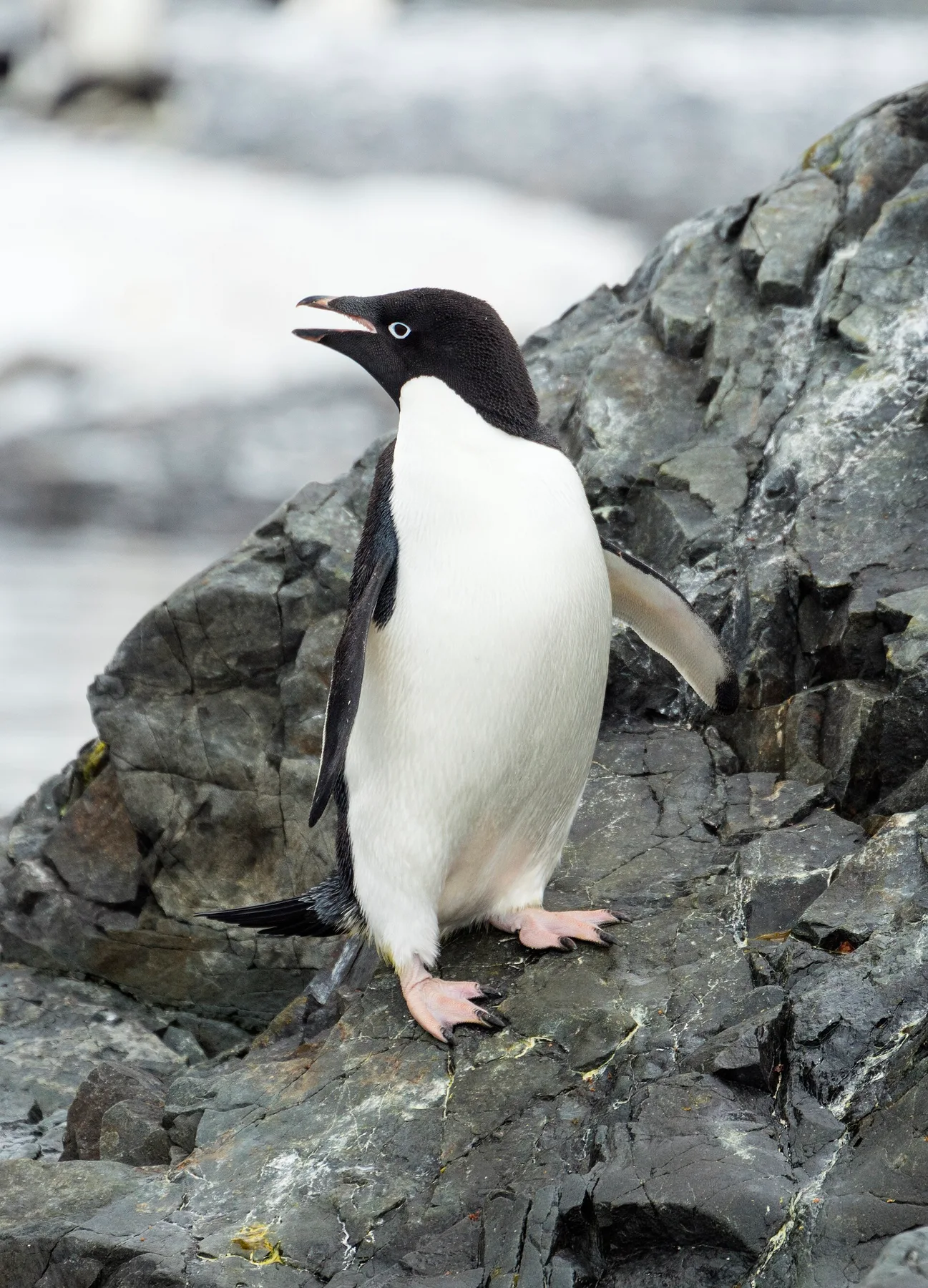
A mass die-off of Adelie penguins in Antarctica in early 2024 was caused mainly by avian cholera, a bacterial disease, and not by bird flu as scientists first assumed, according to research published in October in the journal Proceedings of the Royal Society B and reported by NPR.
What the scientists found
In March 2024 a team led by wildlife veterinarian Dr Ralph Vanstreels of the University of California, Davis sailed to the Danger Islands, off the Antarctic Peninsula, home to two of the region's penguin mega-colonies. On a single landing ramp, roughly the size of an airport runway, they counted more than 537 dead penguins. They estimate thousands more Adelie penguins and other birds died across the islands, but they could not stay long enough for a full count because icebergs could trap their boat.
The trip was set up to look for H5N1 bird flu, which had reached Antarctica in late 2023 and early 2024. Tests on the boat did find the flu virus, but at low levels, too low to explain the deaths in carcasses that were still fresh. Months later, colleagues in the Netherlands looked at the tissue under a microscope and found bacteria, not virus: the bacterial disease avian cholera.
Is it a risk to people?
Avian cholera is different from human cholera. The strain adapted to birds is distinct from the one adapted to mammals, and Vanstreels told NPR the risk of human infection from a bird outbreak is low. It does kill wild birds worldwide, especially in cold places where the bacteria survive well.
Why the finding matters
- Nobody had looked for 25 years. The last search for avian cholera on the Antarctic Peninsula was in 2001, so outbreaks may be happening regularly without being noticed.
- Antarctica is more connected than it looks. Cornell University's Dr Amandine Gamble said the strain was "very close" to one found on Ile Amsterdam in the southern Indian Ocean, about 5,000 miles (8,000 km) away. Bird flu later reached mainland Australia this June, most likely from Antarctica through migrating birds.
- Testing for one disease can hide another. Vanstreels's lesson: keep checking for other diseases even when bird flu is the obvious suspect.
The Pakistan link
H5N1 has killed or forced the culling of nearly 300 million poultry birds worldwide since late 2021, according to the World Animal Health Information System, and Pakistan's poultry industry has faced bird flu outbreaks before. The Antarctic finding is a reminder that when birds die in large numbers, the obvious suspect is not always the cause. Pakistan has also just launched a study on cutting antibiotic use on chicken farms.
Sources
More in Science

Science
New dwarf planet candidate 2026 ED138 found beyond Pluto by Rubin Observatory
An icy world about 46 times farther from the Sun than Earth, possibly 600 to 1,500 km wide, could become the sixth known dwarf planet if follow-up checks confirm it.
1d ago
Science
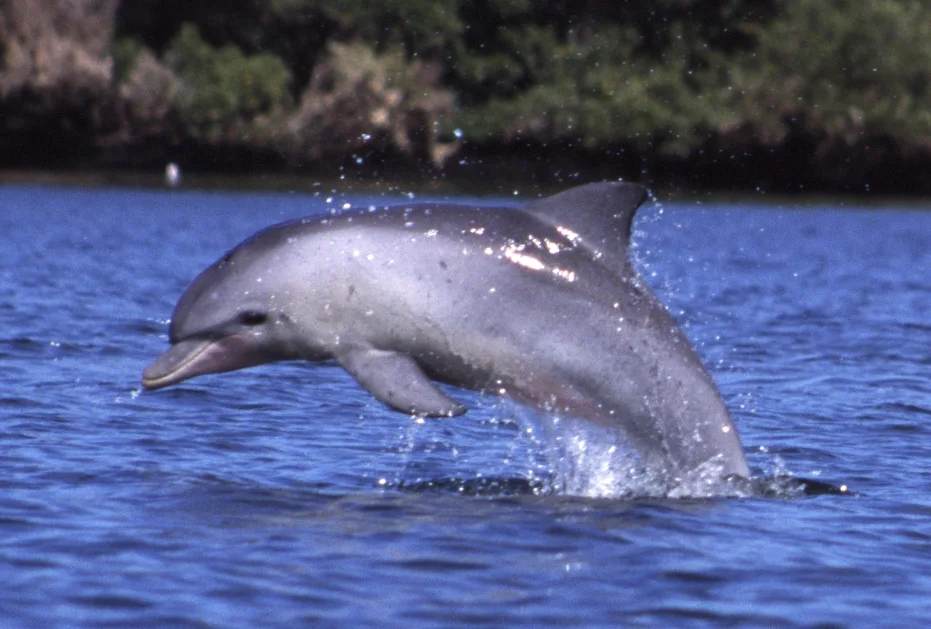
Gwadar dolphins: pod of more than 500 bottlenose dolphins filmed off the Balochistan coast
A fishing boat captain saw the Indo-Pacific bottlenose dolphins leaping beside his vessel. WWF-Pakistan's adviser calls it a sign of a healthy food chain in Gwadar's waters.
2d ago

Science
Nanotyrannus 'Jodi' sells for $47.3 million, second-highest price ever for a dinosaur
The Sotheby's sale, about Rs 13 billion, beat a $9 million estimate and trails only the $50.1 million T. rex 'Gus'.
2d ago
Reader comments 0
No comments yet. Say something useful.