Nanotyrannus 'Jodi' sells for $47.3 million, second-highest price ever for a dinosaur
The Sotheby's sale, about Rs 13 billion, beat a $9 million estimate and trails only the $50.1 million T. rex 'Gus'.
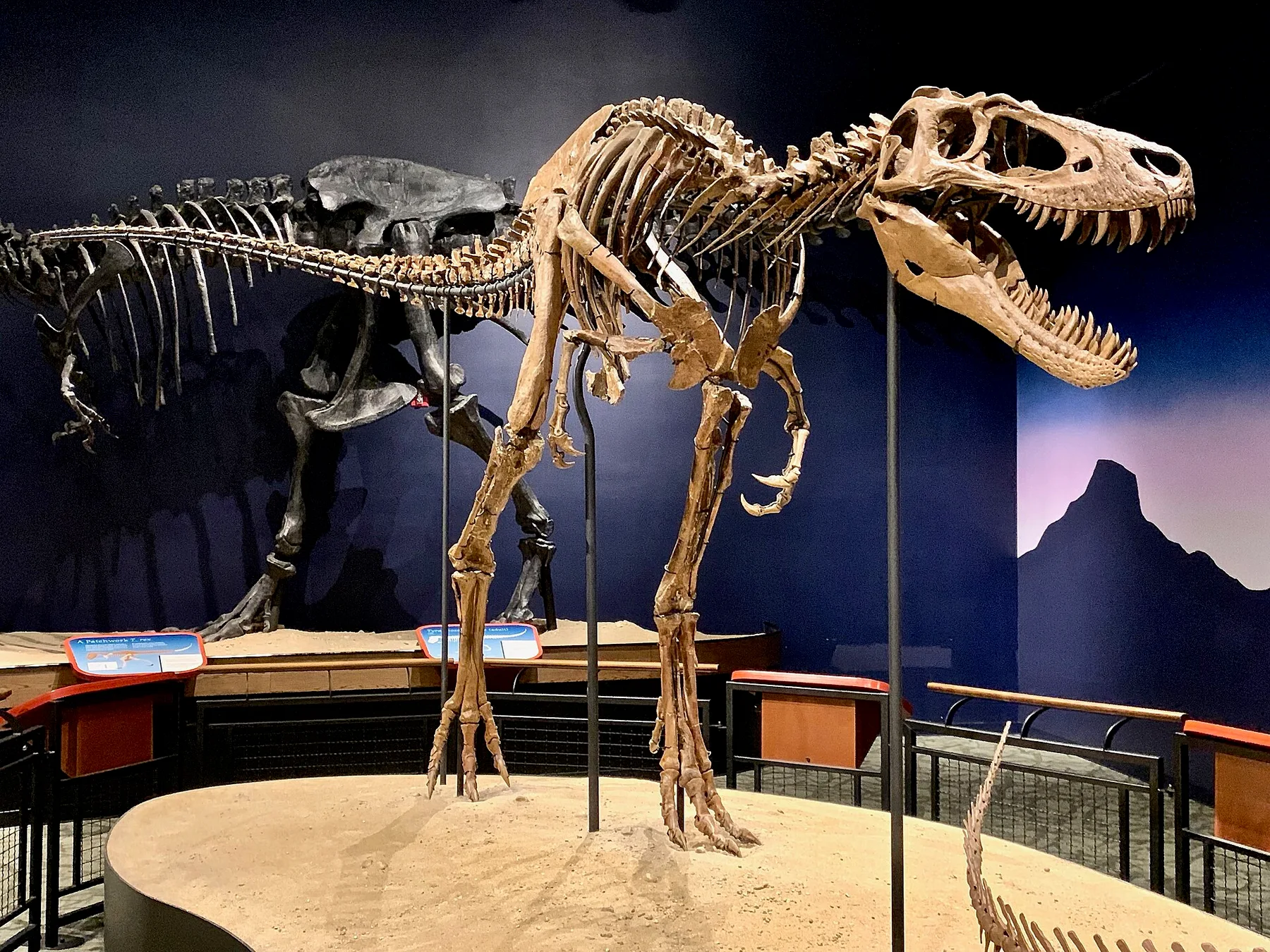
A Nanotyrannus skeleton nicknamed "Jodi" sold for $47.3 million at Sotheby's in New York on Tuesday, 27 October 2026, about Rs 13.1 billion at today's rate of Rs 276.8 to the dollar. It is the second most expensive dinosaur fossil ever sold, the BBC reported, and the first Nanotyrannus to reach the market since scientists confirmed last year that it is a separate genus and not a young Tyrannosaurus rex.
The sale in numbers
- Price: $47.3 million (about 35.5 million pounds), against a pre-sale estimate of at least $9 million.
- Bidding: six parties competed for about 12 minutes; the buyer has not been named.
- Record table: behind "Gus", a T. rex Sotheby's sold for a record $50.1 million in July 2026, and ahead of "Apex", a Stegosaurus that fetched $44.6 million in July 2024.
- The skeleton: about 3 metres (10 feet) tall, with roughly 191 fossil bone elements and what Sotheby's called a virtually complete skull. The auction house said it is one of only three such skeletons known to science.
Why Nanotyrannus matters
For decades palaeontologists argued over whether Nanotyrannus was its own animal or simply a teenage T. rex. University of Portsmouth palaeontologist Megan Jenkins told BBC Radio 4 it is smaller and more slender than T. rex, with blade-like teeth for slicing meat. The two lived side by side about 67 million years ago.
The question was settled by research from Lindsay Zanno and James Napoli, published last October, which leaned heavily on the "Dueling Dinosaurs" fossil: a Nanotyrannus and a Triceratops apparently locked in combat, found in 2006 about 13 km from where Jodi was dug up.
Where it came from
Rancher Jodi Pierson found the skeleton on her land in Montana's Hell Creek Formation, one of the most studied fossil beds in the world, and it was excavated by commercial palaeontologist Clayton Phipps, who also found the Dueling Dinosaurs. Jodi was first shown as a juvenile T. rex at London's Frieze Masters art fair in October 2023, before the new genus was recognised.
The debate it reopens
The sale adds to an argument among scientists over whether rare dinosaur remains should go to private buyers or to museums, where researchers can study them. Researchers told the BBC after the sale of Gus that such fossils belong in public spaces.
For readers converting the headline number: our currency converter and the dollar rate page give the rupee value at today's rate.
Frequently asked questions
- How much did the Nanotyrannus skeleton sell for?
- $47.3 million at Sotheby's New York on 27 October 2026, about Rs 13.1 billion at Rs 276.8 to the dollar.
- What is the most expensive dinosaur fossil ever sold?
- The T. rex 'Gus', sold by Sotheby's for $50.1 million in July 2026. 'Jodi' is now second and the Stegosaurus 'Apex' ($44.6 million) third.
Sources
More in Science

Science
Language leans to safety, not just positivity: 20,000-word study challenges a 1950s model
University of Vermont researchers say power, danger and structure explain over 90% of word meaning, beating the valence-arousal-dominance model used for 70 years.
1d ago
Science
Mercury into gold: US start-up Marathon Fusion claims it beat CERN tenfold; what it means for gold prices
The San Francisco fusion company says it turned mercury into stable gold with neutrons from fusion reactions. The claim is unverified, and the amounts are tiny.
3d ago
Science
GM soybean, corn and cotton decisions deferred: National Biosafety Committee sends cases back
Pakistan's National Biosafety Committee put off approving GM soybean meal imports and renewing GM corn licences, asking its technical advisers for clearer advice.
3d ago
Reader comments 0
No comments yet. Say something useful.