Margaret Hamilton, who wrote the Apollo moon landing software, dies at 90
MIT says the computing pioneer died on 30 September. Her code kept Apollo 11 on track minutes before Eagle touched down in 1969.

Margaret Hamilton, the MIT programmer who led the team writing the software that flew Apollo astronauts to the Moon, has died aged 90. MIT said in a statement on Wednesday that she died on 30 September 2026, AFP reported via Dawn. No place or cause of death was given.
The three minutes that made her name
About three minutes before the lunar module Eagle touched down on 20 July 1969, Hamilton's software overrode a faulty script, according to NASA, so the landing could go ahead safely.
By 1968 she was assistant director in charge of the Command and Service Module software team, part of an effort that had more than 400 people writing Apollo code. MIT describes her as the first programmer on the Apollo project and its first woman programmer.
Her life in brief
- 1936: born in Indiana; studied mathematics.
- 1959: moved to Boston and began work at MIT, first in meteorology.
- 1965: joined the MIT lab recruiting software developers for the Moon mission.
- 1968: led the Command and Service Module software team.
- Later: founded Higher Order Software and Hamilton Technologies and published more than 130 papers.
- 2016: awarded the Presidential Medal of Freedom by President Barack Obama.
Tributes
NASA chief Jared Isaacman called her "a pioneer whose work helped make Apollo and humanity's first journeys to the moon possible." MIT's interim aeronautics and astronautics head Olivier de Weck said she worked as a software engineer "at a time when that field was in its infancy." Draper Laboratory chief executive Jerry Wohletz said she left "an indelible mark" on the company.
Looking back on Apollo in a 2009 interview with MIT News, Hamilton said: "Looking back, we were the luckiest people in the world; there was no choice but to be pioneers."
For the thousands of Pakistani students now studying software engineering, her career is where the discipline began: the idea that code for a spacecraft must be designed and tested as carefully as the hardware.
Sources
More in Science
Science
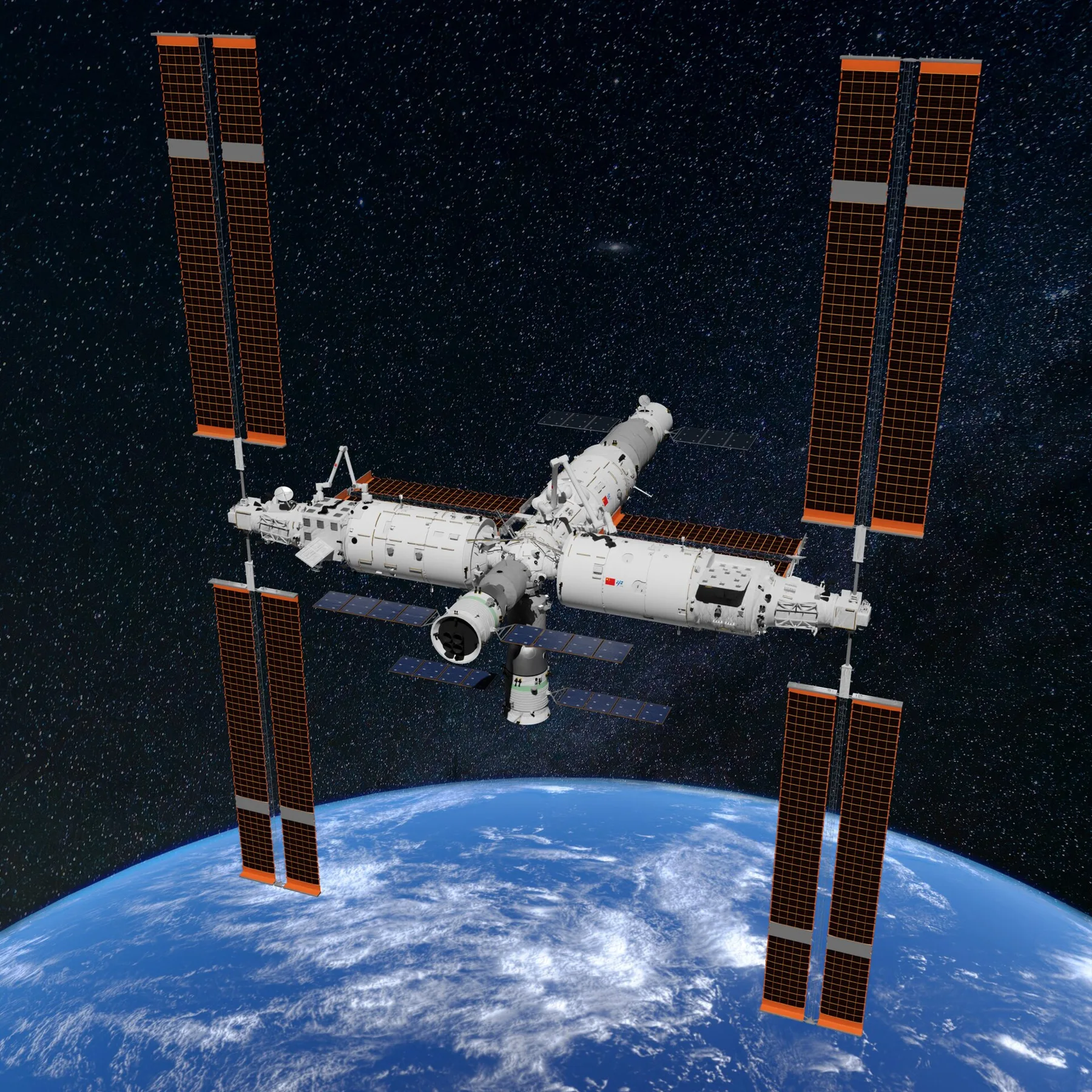
Pakistan's first astronaut: China to pick Zeeshan Ali or Khurram Daud in October
One of two Pakistani pilots training in Beijing will spend a week on China's Tiangong station running four experiments from Pakistani universities. The choice is due mid-to-late October.
28 Sept 2026
Science
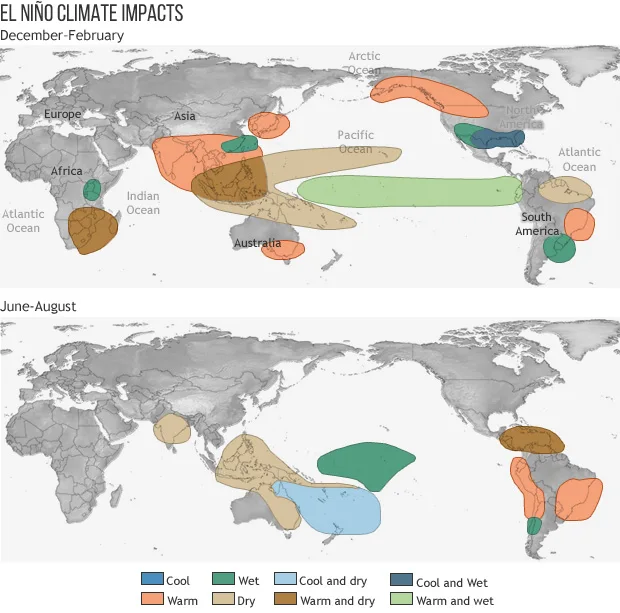
WHO calls this El Nino a public health threat: cholera, dengue and a late monsoon
The WMO says it is the strongest El Nino in 40 years of records, running into 2027. The WHO names cholera, malaria, dengue and chikungunya, and delayed monsoons in parts of Asia.
22 Sept 2026
Reader comments 0
No comments yet. Say something useful.