New auto policy: 1% EV tax to 2031, IMF's 18% rejected, up to 10% levy on big cars
The draft approved by PM Shehbaz Sharif spares cars up to 1,000cc, charges 2% on 1,001 to 2,000cc and 10% above that, and keeps electric cars cheap to tax.
Pakistan's new auto policy keeps the sales tax on battery electric cars at 1% until 2031 and turns down the IMF's proposal to raise it to 18%, ARY News reported on Tuesday 20 October, citing the policy document. The same draft, approved by Prime Minister Shehbaz Sharif, adds a new Automotive Development Levy of up to 10% on petrol and diesel cars above 2,000cc, ProPakistani reported, citing sources.
The levy still needs a law: the policy targets legislation by December 2026, and the effective date and the price it is charged on have not been announced.
The proposed car levy, by vehicle
| Vehicle | Proposed levy |
|---|---|
| Cars up to 1,000cc | 0% |
| Cars 1,001cc to 2,000cc | 2% |
| Cars above 2,000cc | 10% |
| Motorcycles, rickshaws (2 and 3 wheelers) | 0% |
| Agricultural tractors | 0% |
| Trucks, LCVs, buses, vans, prime movers | 2% |
The levy applies to internal combustion engine vehicles, both imported and locally assembled, according to ProPakistani. ARY puts the expected yield at more than Rs 232 billion over five years, to be spent on export incentives and on upgrading local parts makers.
What it could mean in rupees: if the levy is charged on the ex-factory price (not yet confirmed), a 1,300cc car priced at Rs 5 million would carry about Rs 100,000 more, and a 2,400cc SUV at Rs 15 million about Rs 1.5 million more. An 800cc or 1,000cc hatchback would carry nothing. Our car loan calculator shows what such a change does to a monthly instalment, and the car registration tax calculator the tax you already pay at registration.
Electric cars: tax rates to 2031
- Battery electric vehicles: 1% sales tax from 2026 to 2031.
- Range-extended EVs: 6%.
- Plug-in hybrids: 9%.
- Luxury EVs: a 10% federal excise duty on electric vehicles worth more than $75,000 (about Rs 20.8 million at today's dollar rate).
- Import duty: cut in phases, with lower tariffs for small EVs under $15,000.
- Financing: the EV loan limit rises from Rs 3 million to Rs 10 million, and the longest term from three to five years.
Exports, local parts and safety
The policy sets a target of $6 billion in vehicle exports and $1.2 billion in auto parts exports by 2030-31, according to ARY. Carmakers get mandatory export targets: those that meet them earn 5% of export value back, plus 10% on exports above the previous year. A maker that misses its target two years running could lose its manufacturing certificate.
Other measures in the document:
- Tariffs across the auto sector cut to 15% by 2030-31.
- A new Pakistan Automotive Testing Institute for certification and audits.
- Global safety standards for both local and imported cars.
- Consumer protection clauses in every sale agreement, and two audits a year of incentive payments.
What to do if you are buying a car
Nothing changes at the showroom today: the levy needs legislation, and no notification has been issued. If you are choosing between a 1,300cc and a 2,000cc-plus model for delivery in 2027, the gap could widen once the law passes. We will update this story when the Ministry of Industries publishes the final policy.
Frequently asked questions
- What is the sales tax on electric cars in Pakistan under the new auto policy?
- 1% for battery electric vehicles from 2026 to 2031, 6% for range-extended EVs and 9% for plug-in hybrids, according to the policy document reported on 20 October 2026. The IMF's proposal of 18% was rejected.
- Which cars will pay the new Automotive Development Levy?
- Under the draft, 2% on cars from 1,001cc to 2,000cc and 10% above 2,000cc. Cars up to 1,000cc, motorcycles, rickshaws and tractors are exempt. It needs legislation, targeted for December 2026.
Sources
Related reading
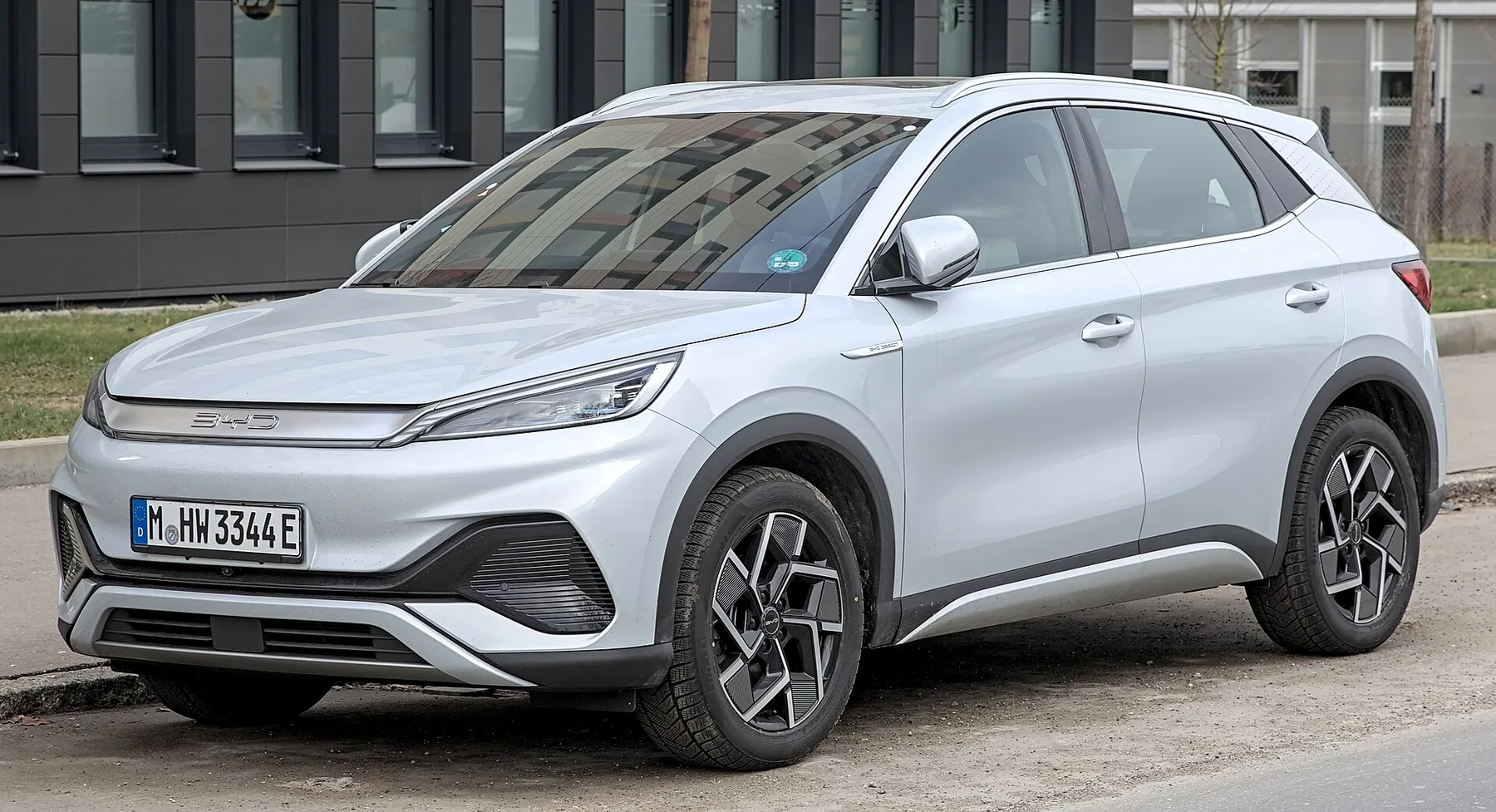
Auto
IMF wants 18% sales tax on electric cars: a Rs 10 million EV could cost Rs 17 lakh more
The 1% sales tax on locally assembled EVs is under pressure in the IMF review. What it could add to the Atto 3, Binguo, J6 and E5, and what to do if you are about to book.
3 Oct 2026
Auto
Islamabad police to impound cars driven without a licence; underage drivers' parents called in
IGP Muhammad Sohail Chaudhry says vehicles driven without a valid licence will be held at police stations, while 12 of 24 checkposts on busy roads, including E-7, F-7 and Daman-e-Koh, have been removed.
16h ago
Auto
Islamabad driving licence renewal and learner permit now online only
Islamabad Traffic Police has stopped taking these applications at Faizabad and its facilitation centres. Apply on the ITP portal and the licence comes by TCS.
1d ago
Reader comments 0
No comments yet. Say something useful.