Textile exporters warn of 'unprecedented' slump from October to December, seek Rs140bn package
The Pakistan Textile Exporters Association blames weak Western demand, freight up to 2.5 times, stuck refunds and export finance that costs 5.5% to 8.5% instead of 4.5%.
Pakistan's textile exporters expect a steep fall in shipments in the October to December quarter, the second quarter of FY27, and say the drop in trade volume is "unprecedented", Pakistan Textile Exporters Association (PTEA) patron-in-chief Khurram Mukhtar said in a statement on Sunday, Dawn reported.
Textiles are Pakistan's largest export, so a weak quarter feeds straight into the dollar inflows that hold up the rupee. Exports had started the year well: textile exports rose 5.55% to $3.379 billion in July and August (our report).
Why exporters say orders are drying up
- Buyers: inflation in Western markets has cut demand from international brands, and high inflation at home is squeezing local sales too.
- Freight: sea freight has risen 1.5 to 2.5 times, wiping out thin margins.
- Energy: industrial energy tariffs still carry cross-subsidies for other consumers, raising the cost of every metre of fabric.
- Cash: refunds owed to exporters under several heads are still pending, leaving a liquidity squeeze from ginning and spinning to weaving, processing and knitting.
Mukhtar said regaining lost market share would be very hard and that only financially strong exporters may survive.
The export finance complaint
The FY27 budget fixed the Export Finance Scheme (EFS) rate at 4.5%, but the PTEA says this has not been put into practice: banks charge at least 5.5%, and some up to 8.5%. It also says about Rs200 billion of EFS money went to yarn exporters even though yarn is on the scheme's negative list, and that last year's Rs100 billion SME allocation lapsed unused. The top 100 exporters ship up to 60% of the volume, and the association wants financing shared out in line with export performance.
What exporters are asking for
- Temporary support of 6% to 8% under the Duty Drawback of Local Taxes and Levies (DLTL) scheme.
- Immediate payment of outstanding refunds.
- An end to cross-subsidies in industrial energy tariffs.
- The 4.5% EFS rate in practice, and a review of who gets EFS funds.
- A Rs140 billion modernisation package from the government and SBP: Rs20 billion each for ginning and sizing, Rs50 billion each for weaving and processing.
- A 10-year plan for textile exports.
What it means for you
The textile chain employs millions of workers in Faisalabad, Karachi, Lahore, Sialkot and Multan, and a slow quarter usually shows up first as fewer shifts and delayed wages at mills. The export numbers for October arrive from the Pakistan Bureau of Statistics in early November. Track the rupee on our dollar rate page, and if you work in the sector and are owed dues, our gratuity calculator shows what you are entitled to.
Frequently asked questions
- Why are Pakistan's textile exports expected to fall in October to December 2026?
- The Pakistan Textile Exporters Association cites weak demand in Western markets, sea freight up 1.5 to 2.5 times, high energy tariffs with cross-subsidies, unpaid refunds and export finance costing 5.5% to 8.5% instead of the budgeted 4.5%.
Sources
Related reading
Business
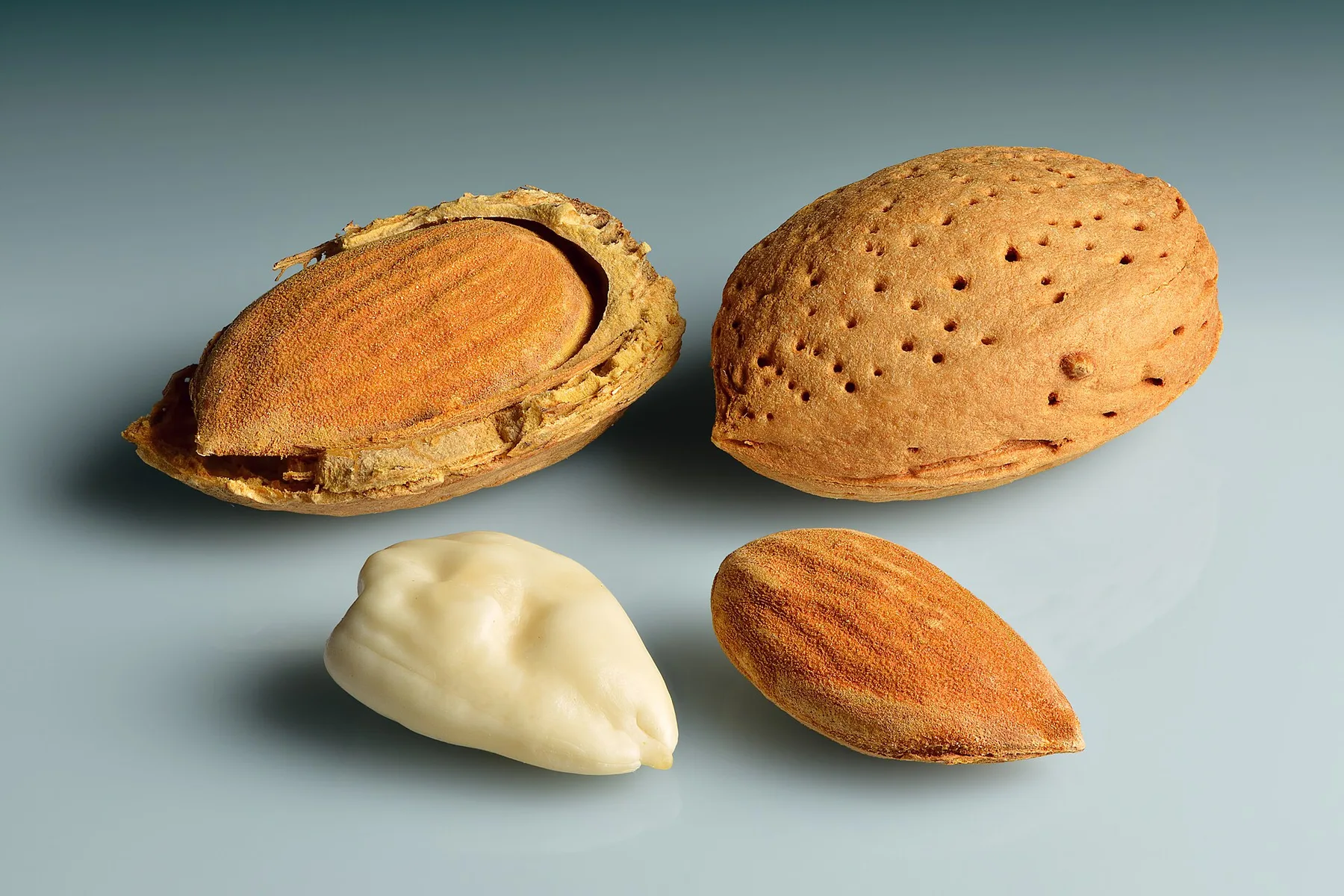
Customs sets new almond import values: $3.81 a kg for shelled, $2.19 soft-shell, $1.41 hard-shell
Valuation Ruling 2111/2026 from Customs Valuation Karachi replaces the 2024 ruling and applies to almonds from every country. Here is what it means in rupees as winter dry-fruit season starts.
4h ago
Reader comments 0
No comments yet. Say something useful.