Indus Waters Treaty: Czech and German MEPs back Pakistan's stance at European Parliament meeting in Brussels
Ambassador Rahim Hayat Qureshi raised India's 'abeyance' of the 1960 treaty; MEPs Andrej Dostal and Michael von der Schulenburg called for it to be honoured.
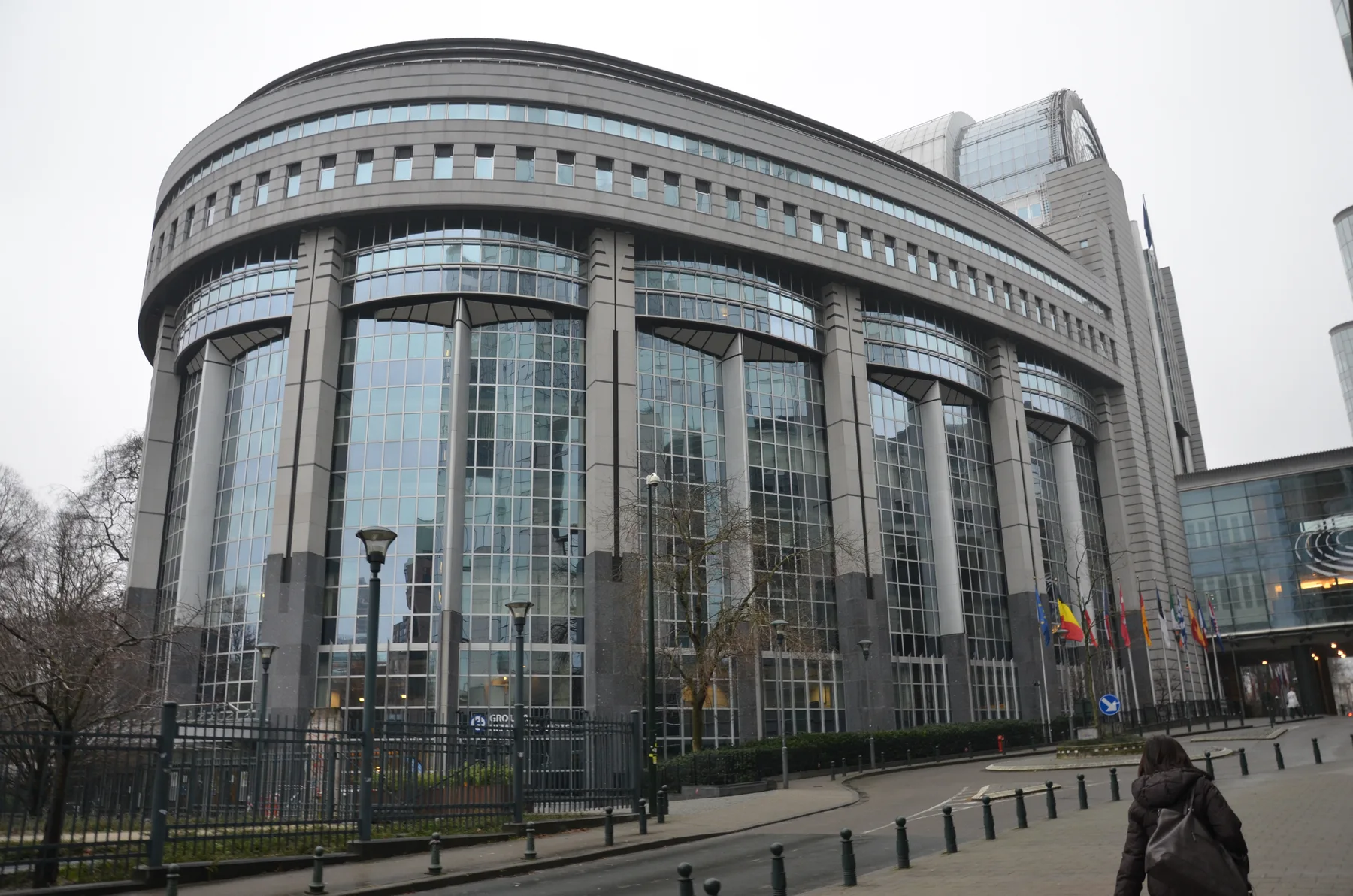
Two members of the European Parliament backed Pakistan's position on the Indus Waters Treaty at a session on the future of global governance held at the European Parliament in Brussels, Geo News reported on Thursday.
Who said what
- Rahim Hayat Qureshi, Pakistan's ambassador to Belgium, Luxembourg and the European Union, raised Pakistan's concerns over India's actions on the treaty and said respect for international agreements is essential to global stability. He also called for the Kashmir dispute to be settled under UN resolutions and for all states to have a voice in UN reform.
- Andrej Dostal, a Czech MEP, supported Pakistan's position on the treaty.
- Michael von der Schulenburg, a German MEP and former UN official, urged the international community to help ensure the treaty is implemented and complied with.
The session was not a vote and does not commit the European Parliament or the EU to a position, but it is the kind of support in European forums that Islamabad has been seeking since the dispute began.
Where the dispute stands
In April 2025, after an attack in Indian-held Kashmir, India said it was holding the 1960 treaty "in abeyance". Pakistan rejects that, saying the treaty, brokered by the World Bank, cannot be suspended by one side. The treaty gives Pakistan the waters of the western rivers (Indus, Jhelum and Chenab) and India the eastern rivers (Ravi, Beas and Sutlej).
Prime Minister Shehbaz Sharif told the UN General Assembly last month that diverting the Indus waters would be treated as an act of war (his speech in 6 points).
Why it matters at home
The western rivers feed most of the canal system that irrigates Punjab and Sindh, and the dams on them (Tarbela on the Indus, Mangla on the Jhelum) supply a large share of Pakistan's hydropower. Any disruption in flows at sowing time, especially on the Chenab, which enters Pakistan near Sialkot, would hit wheat and rice farmers first, and cheaper hydropower keeps the national electricity tariff lower. You can see how the tariff hits your own bill with our electricity bill calculator.
Sources
More in Politics
Politics
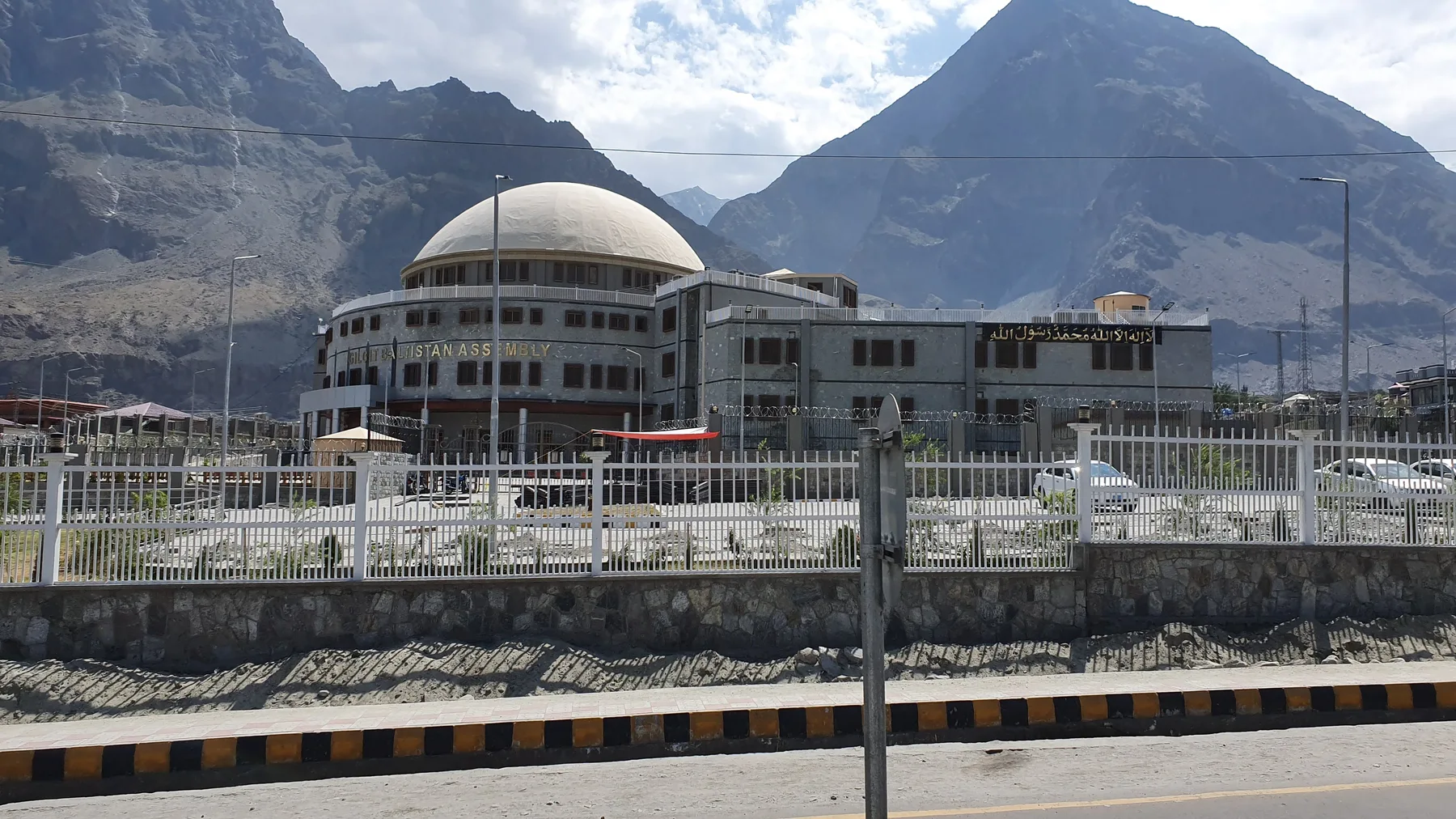
Gilgit-Baltistan Assembly passes amended Local Government Act 2026: mayors for Gilgit, Skardu and Chilas, 17% seats for women
The first local polls in more than 20 years can be scheduled once the governor signs the bill he sent back earlier. The assembly also created a GB IT Board.
1h ago
Politics
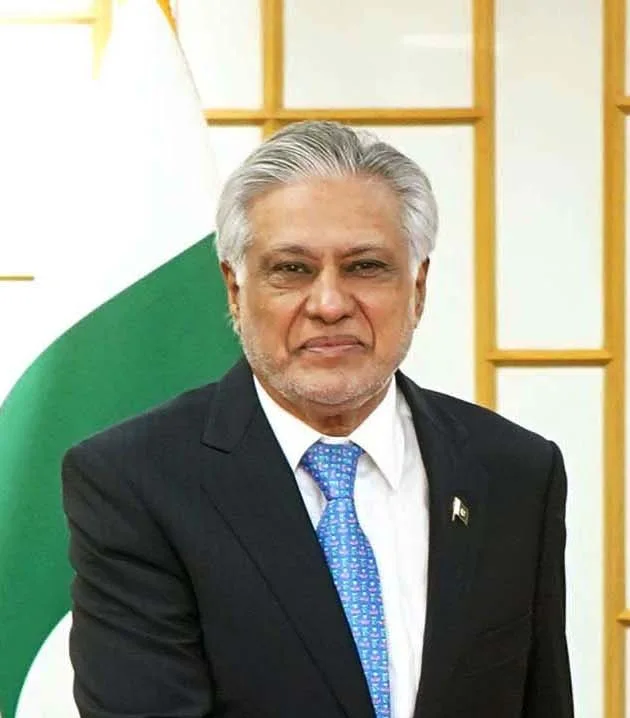
Dar calls Houthi attacks on Saudi Arabia 'totally unacceptable' as Pakistan and Oman agree visa waiver for officials
At the 8th Pakistan-Oman Joint Ministerial Commission, Dar also said all but one GCC member had agreed to a free trade deal with Pakistan.
19h ago

Politics
Pakistan and Russia agree to finalise extradition treaty in first visit by a Russian interior minister
Mohsin Naqvi and Vladimir Kolokoltsev also agreed an organised crime MoU, easier visas for tourists and traders, and closer work on cybercrime and narcotics.
19h ago
Reader comments 0
No comments yet. Say something useful.