Intel CEO Lip-Bu Tan warns AI demand will keep memory scarce for two to three more years
Speaking in Singapore, Intel's chief said memory is among the biggest risks to the AI build-out, as DDR4 and DDR5 contract prices climb again.
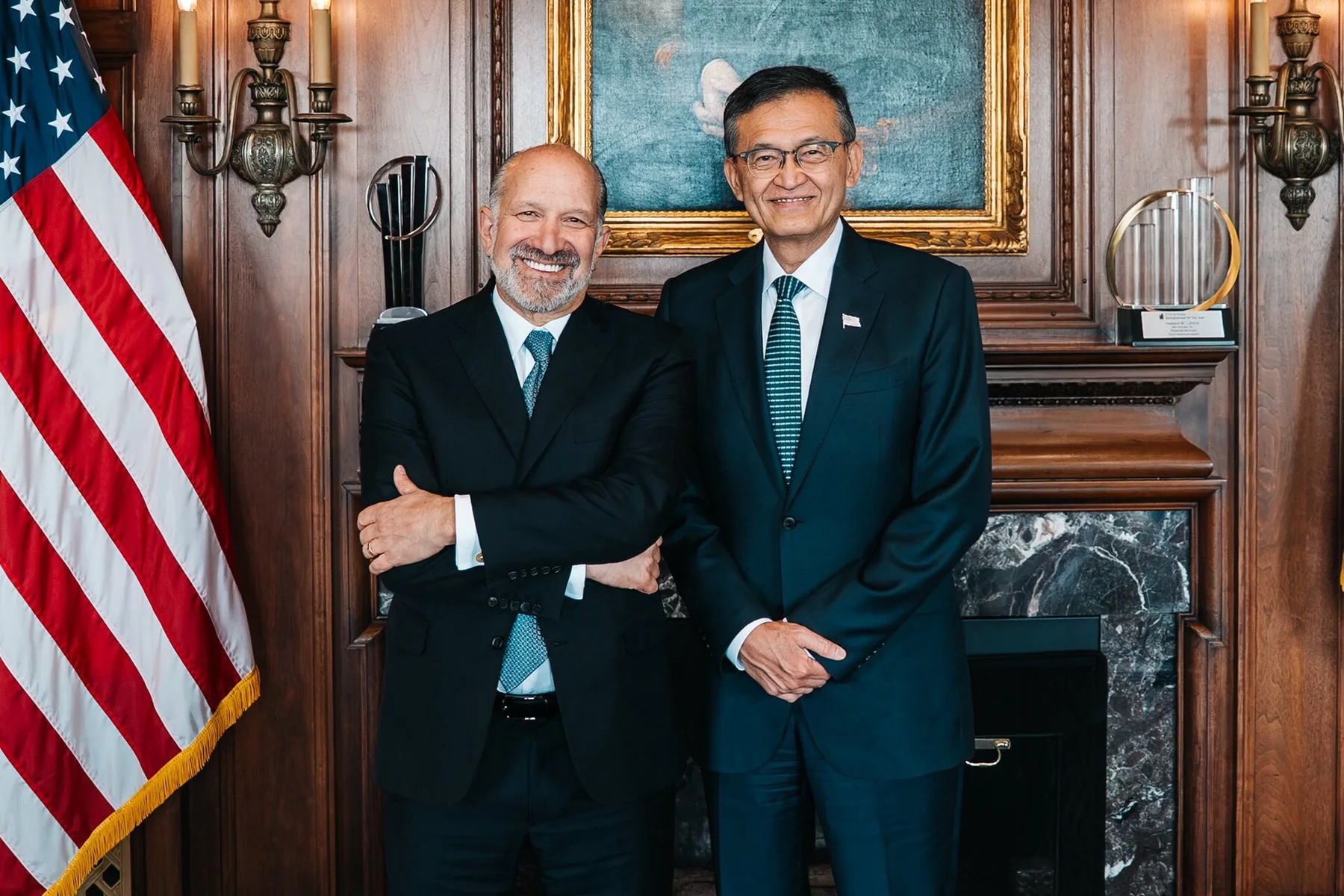
Intel chief executive Lip-Bu Tan says the artificial-intelligence boom will keep computer memory in short supply for the next two to three years, which means RAM prices are unlikely to fall soon. He made the remarks at DBS Bank's first Asia Future Forward conference in Singapore on 12 October, Computer Weekly reported from the session, and they were carried by ARY News and TechRadar on Tuesday, 13 October.
What Tan said
According to Computer Weekly, Tan named memory, chip substrates and power as the three things most likely to disrupt the industry, and said he saw no slowdown in AI demand over the next two to three years. He added that "some correction is good". TechRadar, crediting a report by Wccftech, said Tan put the hardware shortage, chiefly memory, at two to three more years and blamed persistent constraints in the supply chain.
It is not the first time he has said so. In February, Bloomberg reported Tan telling a Cisco conference that the memory makers he had spoken to saw "no relief until 2028".
Broadcom's chief executive, Hock Tan, who shared the stage, argued that money rather than chips may be the real limit on AI spending, Computer Weekly reported.
The price numbers
- DDR4 contract prices: up 24% over the last quarter.
- DDR5 contract prices: up 20% over the same period.
- Supply outlook: Micron's RAM supply stays constrained through 2028.
These figures come from a Barclays report, as cited by TechRadar and ARY News. Contract prices are what PC and phone makers pay memory suppliers, so they reach shop shelves with a lag.
Why memory is short
The build-out of AI data centres is pulling memory away from PCs and smartphones, Bloomberg reported in February, naming Samsung Electronics, SK Hynix and Micron Technology as the main makers. Less capacity left for ordinary DDR4 and DDR5 chips is what pushes laptop and phone memory costs up. Memory chip shares were also hit this week: on Tuesday, Samsung and SK Hynix led a sharp fall on the Korean market, as we reported in our KOSPI story.
What it means for laptop and phone buyers in Pakistan
No Pakistani retailer or maker has announced a price change linked to these remarks, and none of the sources gives a local figure. What can be said is that every laptop and phone sold here is imported or assembled from imported parts priced in dollars, so higher memory costs abroad, together with the dollar rate, feed into what you pay. If you are planning a purchase, compare today's prices on our laptop price list and mobile price list, which record each change with its date, and keep an eye on the dollar rate in Pakistan. Models with more RAM and storage are the ones most exposed if memory keeps getting dearer.
Frequently asked questions
- How long will RAM prices stay high?
- Intel CEO Lip-Bu Tan said on 12 October 2026 that AI demand will keep memory short for two to three more years, and a Barclays report expects Micron's supply to stay tight through 2028.
Sources
- Capital, not chips, may be the real brake on the AI build-out: Computer Weekly
- Can the RAM crisis get any worse? Intel CEO reportedly predicts another 2 to 3 years of pain: TechRadar
- Intel CEO says AI boom will keep RAM prices high for years: ARY News
- Intel CEO says no memory shortage relief until 2028: Bloomberg (via Yahoo Finance)
More in Technology
Technology
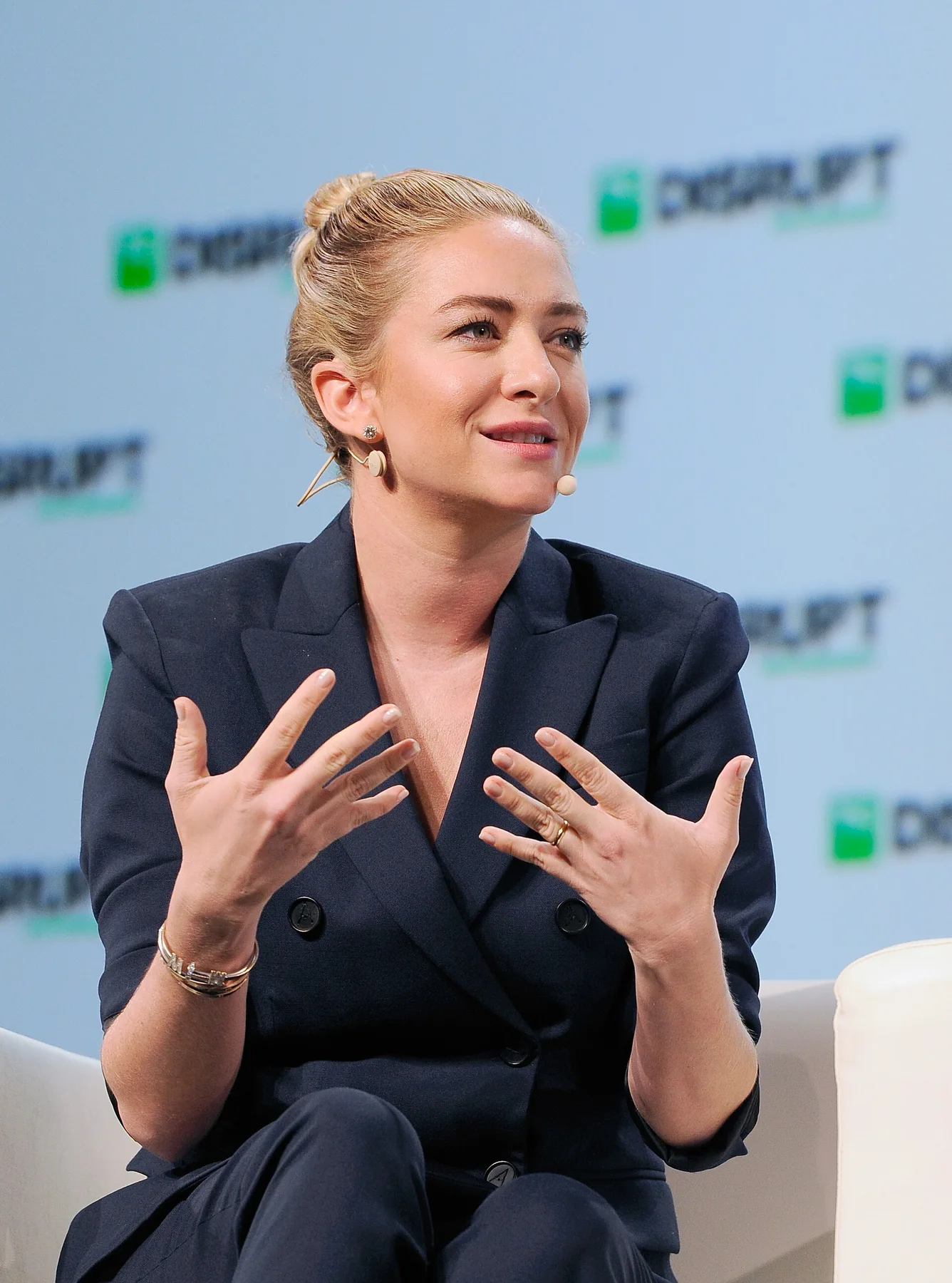
Bumble agrees $1.3bn sale to Ithaca Holdings at $6.05 a share and will go private
The dating app's buyer is paying more than double its pre-rumour share price. Founder Whitney Wolfe Herd stays involved while Ithaca's co-CEOs take charge.
16h ago
Reader comments 0
No comments yet. Say something useful.