Reko Diq copper may slip to 2030 as Barrick waits on Balochistan security and Iran war
First production was due in 2028. Phase 1 now costs $5.6 billion, the whole project about $9.1 billion, and Barrick's chairman is due in Islamabad this month.
The Reko Diq copper and gold mine in Chagai, Balochistan, may not start producing until 2030, two years later than the 2028 target, Dawn reported on Monday. Investors are waiting for better security in Balochistan and for the war in neighbouring Iran to calm down, the newspaper said.
Why the Reko Diq project is being delayed
Barrick, the Canadian miner that runs the project and owns half of it, began a formal review in February 2026, slowed development and extended the assessment into early 2027. Its chief executive told an industry forum last month that the company needed "some sort of security improvement" before starting full construction, and gave no new timeline.
Barrick is now expected to restart full-scale development by mid-2027, Dawn reported.
The numbers
- Phase 1 cost: up from $4 billion to $5.6 billion (about Rs 1.55 trillion at Rs 276.75 a dollar).
- Phase 2: another $3.5 billion.
- Total: about $9.1 billion, up from roughly $7 billion (about Rs 2.52 trillion).
- Already spent: nearly $1 billion.
- Ore processed: 45 million tonnes a year at first, 90 million tonnes after Phase 2.
- Mine life: 37 years in the updated feasibility study, with projected free cash flow of $74 billion over that period.
Rupee figures use the interbank dollar rate on our USD to PKR page.
How much the delay could cost
Estimates differ widely. A source from another Balochistan mining venture told Dawn that costs could rise by $8 billion to $10 billion. A person linked to Reko Diq Mining Company called that "bordering on absurdity" and put the extra cost at about 10%, or $450 million to $900 million.
Jobs in Balochistan
The project is meant to employ 7,500 people at the peak of construction and about 4,000 permanently once it runs. For now it has kept all 700 permanent staff and about 2,000 contract workers, Dawn said, though some third-party service contracts were allowed to lapse. An employee said research, administration and community projects were going on as normal.
Who owns Reko Diq
Barrick holds 50%. The other half is split equally between the Balochistan government and three federal state companies: Pakistan Petroleum, OGDCL and Government Holdings.
Dawn also reported that Barrick plans to process only 30% to 35% of the output in Pakistan, with the rest possibly sent to a facility in Australia.
What comes next
Barrick chairman John L. Thornton is expected in Islamabad later this month for the Pakistan Minerals Investment Forum 2026. Barrick, federal and Balochistan officials did not respond to Dawn's questions.
Reko Diq is central to the government's hope of raising mineral exports from about $3 billion to $8 billion, which we covered in our October report on mineral exports.
Frequently asked questions
- When will Reko Diq start production?
- The target was 2028. Dawn reported on 2 November 2026 that first production may slip to 2030, with Barrick expected to restart full-scale development by mid-2027.
Sources
More in Business
Business
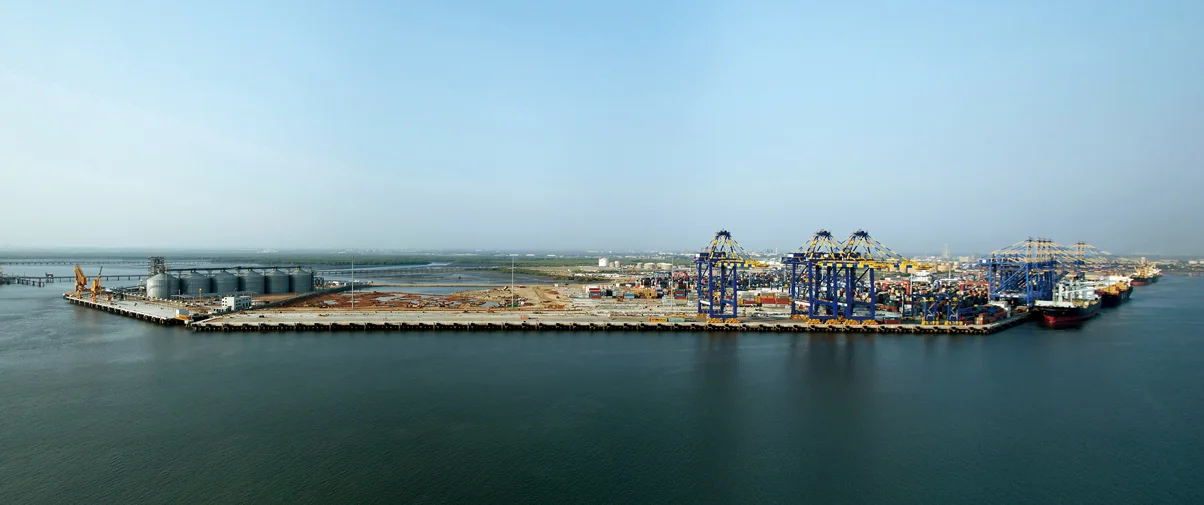
US-backed group proposes $4.4 billion LNG terminal, storage and pipeline at Port Qasim
Pakistan has no LNG storage at all. The plan would build four tanks at Port Qasim and a 1,100km pipeline upcountry, weeks after Lucky Group and QatarEnergy walked away.
10m ago
Business
India extends duty-free cotton imports to end of December, waiving 11% duty for two more months
Indian mills asked for more time after a patchy monsoon kept prices firm. More Indian buying in the US, Brazil and Australia could tighten the market Pakistani spinners also rely on.
1d ago
Reader comments 0
No comments yet. Say something useful.