US wholesale prices jump 6.3% in September, biggest since 2022
The PPI rose 1.3% on the month, the largest monthly gain since March 2022, as the AI chip sell-off deepened on Wall Street.
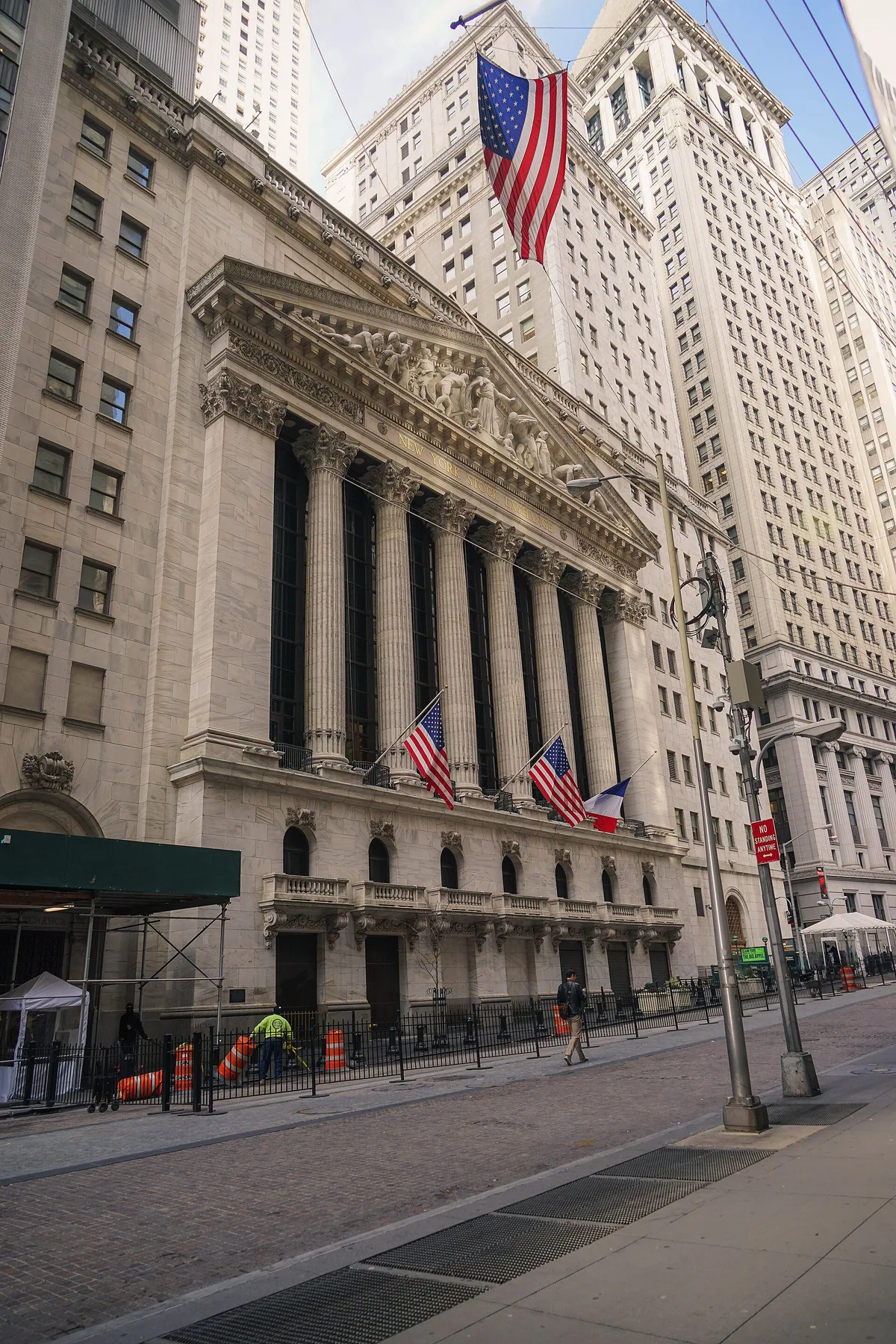
US wholesale prices rose 6.3% in the 12 months to September 2026, the biggest annual gain since December 2022, the Bureau of Labor Statistics (BLS) reported on 15 October. On the month, the producer price index (PPI) for final demand rose 1.3%, the largest monthly increase since March 2022. August had risen 0.5%.
The numbers
CNBC reported that economists polled by Dow Jones had expected a 0.6% monthly rise and 5.5% over the year, so the result was well above forecasts. According to the BLS release:
- Goods prices rose 2.6% in the month, the biggest jump since the series began in December 2009. Energy rose 10.8%, with gasoline up 20.3%.
- Food prices rose 1.2%, while egg prices fell 39.7%.
- Services rose 0.8%, helped by a 3.4% rise in transportation and warehousing.
- The core measure, which excludes food, energy and trade margins, rose 0.5% on the month and 5.0% over 12 months.
PPI tracks what producers receive for goods and services, so it is an early signal for what consumers may later pay.
Chip stocks and the Fed
The PPI followed a hot consumer price report. Seoul Economic Daily reported that US CPI rose 3.7% in September against a 3.6% forecast, and that core CPI was 2.6%. Traders then raised the odds of a rate hike at the Federal Reserve's 27 to 28 October meeting to 32.7% from 22.1%, according to CME FedWatch figures cited there.
The chip sell-off deepened on 14 October. The Philadelphia Semiconductor Index fell 4.3%, Nvidia lost 3.16%, AMD 5.73% and Micron 4.08%, with the Nasdaq down 1.88%. CNBC headlines on the day described memory stocks as being hammered. Yahoo Finance reported long-dated Treasury yields rose before trimming gains, and its quote page showed the 10-year yield lower on Thursday morning. We could not confirm a single closing yield figure for 15 October.
What it means for Pakistan
A US inflation surge matters to Pakistani readers mainly through the dollar, oil and global risk appetite: higher US rates tend to strengthen the dollar and make borrowing costlier for emerging markets. The PPI release also showed US energy prices sharply higher, a trend that matters for an oil importer.
Pakistan's market, however, did not follow the US lower on Thursday. ARY News reported that the KSE-100 closed at 166,186.17, up 768.66 points or 0.46%, with 292 of 501 listed companies advancing and traded value near Rs 23.57 billion. ARY gave no reason for the buying, and we are not linking it to the US data. Track the index on our KSE-100 page and the rupee on the USD to PKR page.
The next checkpoints are the Fed's late-October meeting and the next US inflation prints. Searchable.pk will update this story if they change the picture.
Frequently asked questions
- How much did US wholesale prices rise in September 2026?
- Final demand PPI rose 6.3% over 12 months and 1.3% on the month, per the BLS.
- What did economists expect?
- A Dow Jones consensus cited by CNBC was 0.6% on the month and 5.5% annually.
- Did the KSE-100 fall with US stocks?
- No. ARY reported the KSE-100 closed up 768.66 points at 166,186.17 on 15 October.
Sources
- Producer Price Index News Release, September 2026: US Bureau of Labor Statistics
- Wholesale prices jumped 6.3% annually in September, biggest gain since 2022: CNBC
- U.S. Stocks Fall on CPI Shock as Chip Index Tumbles 4.3%: Seoul Economic Daily
- Nvidia stock sinks as chip sell-off deepens on hot inflation data: Yahoo Finance
- PSX: Stocks close higher as KSE-100 index gains over 700 points: ARY News
More in Markets
Markets
ASML Q3 profit hits EUR 4.96 billion, beating forecasts, as chipmakers ask about orders for 2029 and 2030
The only maker of EUV lithography machines raised the bottom of its 2026 sales range and says supply planned for 2027 and 2028 will not meet AI demand.
1d ago
Reader comments 0
No comments yet. Say something useful.