Astronauts' hearts can cope with Mars gravity after six months in space, study of 13 ISS crew finds
Heart scans taken in orbit and a tilt-table test after landing suggest one of NASA's big worries about a Mars landing is manageable.
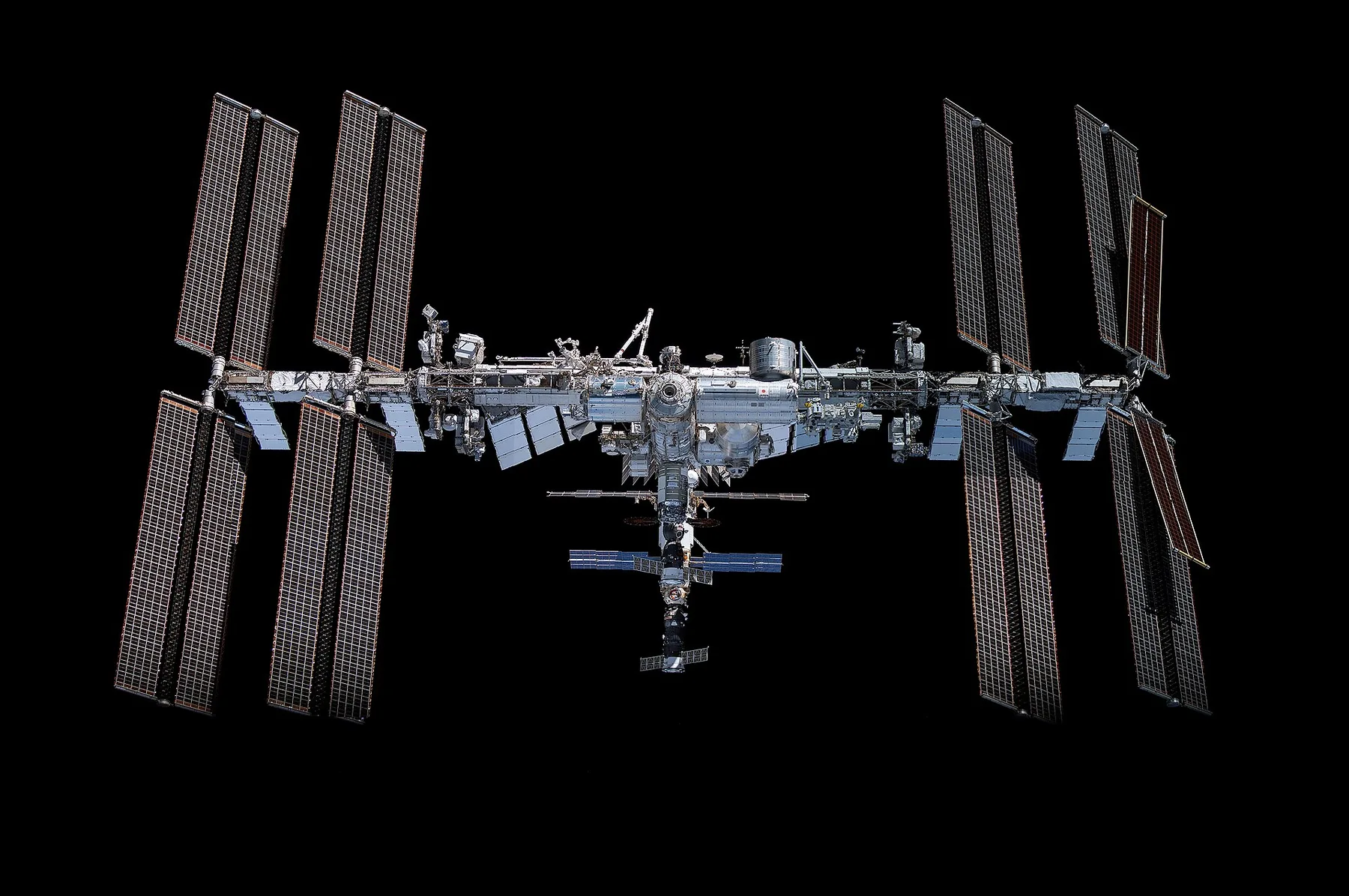
The human heart can handle Mars gravity after months of weightlessness, a study of 13 astronauts who each spent about six months on the International Space Station has found, ARY News reported. The research, published in the American Heart Association journal Circulation, is described as the first to look at how the heart responds to Mars-level gravity after a long spell in orbit.
The senior author is Dr James Thomas, professor of cardiology at Northwestern University's Feinberg School of Medicine, working with Dr Benjamin Levine of UT Southwestern Medical Center and Dr Michael Bungo of UTHealth Houston.
How they tested it
- In orbit: astronauts scanned each other's hearts with ultrasound every few weeks, guided live from Earth by Thomas, sometimes at 3am his time.
- Exercise: most followed NASA's routine of up to two hours a day, 30 to 45 minutes of endurance work and 60 to 75 minutes of resistance training.
- After landing: to mimic arriving on Mars, where gravity is about a third of Earth's, the team tilted astronauts 22 degrees head-up while lying down, which pulls blood towards the legs the way Mars gravity would.
What they found
- In the first two weeks in space, hearts filled with and pumped less blood than normal.
- Over the rest of the mission, heart function gradually returned to normal.
- Most astronauts avoided the sudden drop in blood pressure on standing (orthostatic hypotension) that left earlier crews dizzy after landing.
- In the simulated Mars test there were no major heart problems: hearts coped about as well as they had when standing upright on Earth before the flight.
The authors say this gives strong reason to believe crews could land on Mars and work there.
The limits
Thirteen people is a small sample, and tilting a bed is not the same as living in Mars gravity for weeks. Radiation, bone and muscle loss and the months-long journey remain open questions for any crewed Mars mission.
Closer to home
Pakistan is about to send its own astronaut to orbit: Pakistan's first astronaut is due to fly from China on 25 November, and Japan's MMX probe is on its way to collect soil from the Mars moon Phobos, as we reported. Studies like this one shape the health checks every astronaut, including Pakistan's, goes through.
Frequently asked questions
- Can the human heart handle Mars gravity?
- A study of 13 astronauts after six-month ISS missions, published in Circulation, found their hearts coped with simulated Mars gravity about as well as standing on Earth before flight.
Sources
More in Science

Science
Mercury into gold: US start-up Marathon Fusion claims it beat CERN tenfold; what it means for gold prices
The San Francisco fusion company says it turned mercury into stable gold with neutrons from fusion reactions. The claim is unverified, and the amounts are tiny.
1d ago

Science
GM soybean, corn and cotton decisions deferred: National Biosafety Committee sends cases back
Pakistan's National Biosafety Committee put off approving GM soybean meal imports and renewing GM corn licences, asking its technical advisers for clearer advice.
1d ago
Reader comments 0
No comments yet. Say something useful.