Google runs an AI model on a satellite for the first time: Project Suncatcher's TPU answers from orbit
A Gemma 4 model on a Google satellite wrote a three-line poem and beamed it down over Norway. Why Google wants solar-powered AI data centres in space, and the hurdles.
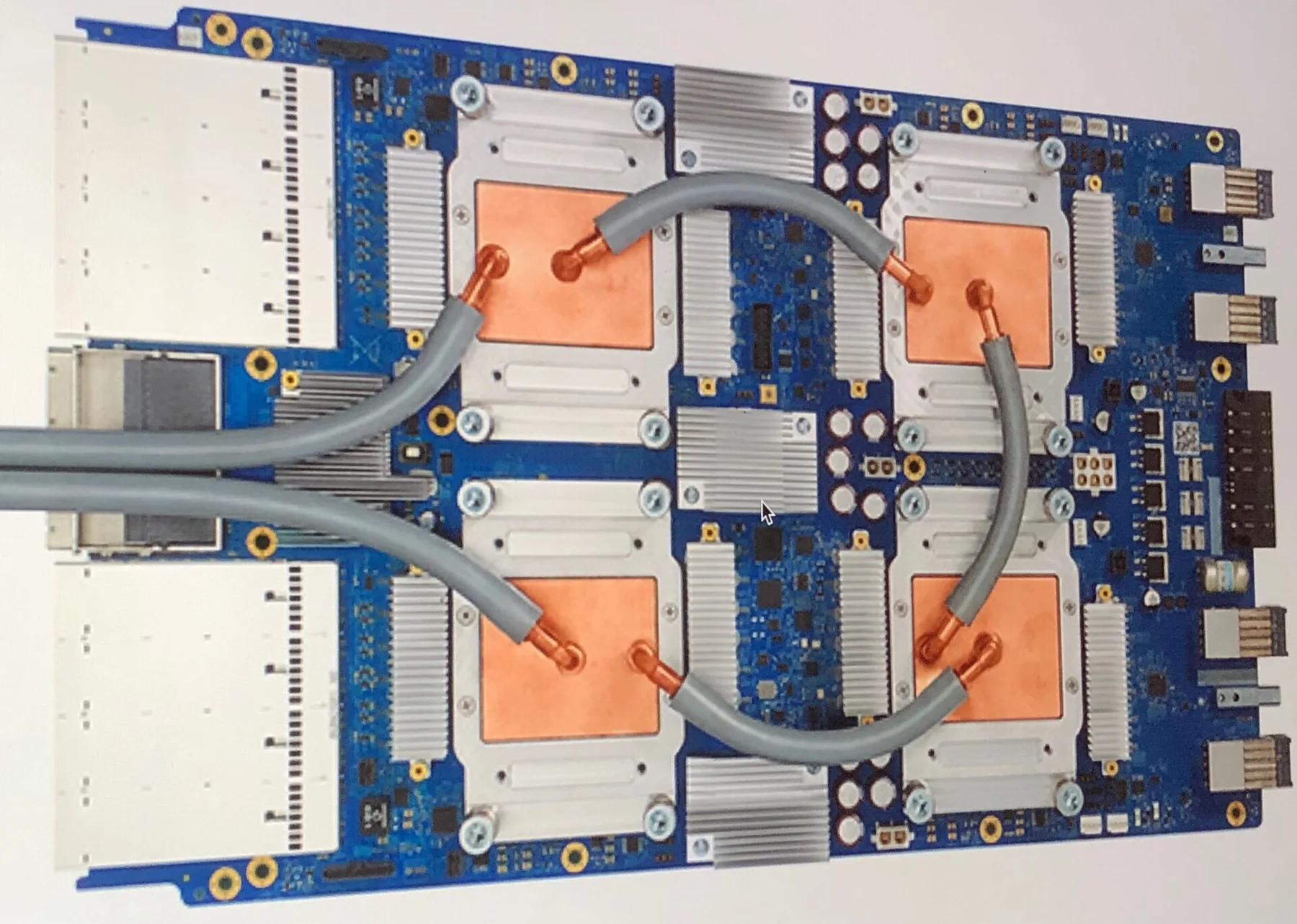
Google has run an AI model on a satellite in orbit and received its answer back on Earth, the company announced on 30 October, in the first test of Project Suncatcher, its research into putting AI computing in space, ProPakistani reported.
What happened
- The satellite launched on 1 October on a SpaceX rocket and has been under test since.
- The request: engineers asked the onboard Gemma 4 model, running on a Google Tensor Processing Unit (TPU), to write a short poem about being in space.
- The answer came down as the satellite passed over Svalbard, Norway:
Blue marble below Data streams in silent grace Starlight feeds my core.
Google called it its "Hello World" moment and says it is the first complete AI response produced by a data-centre-class TPU in orbit. Further tests had the model write more poems and report on the satellite's own operating conditions.
Why put AI in space
AI data centres use huge amounts of electricity for chips and cooling. In orbit, solar panels get near-constant sunlight with no clouds or night on the right orbit, so Suncatcher is testing whether satellites could take on some AI work without drawing on power grids on the ground.
The hard parts
- Radiation can corrupt chips and memory.
- Heat has nowhere to go in a vacuum except by radiating it away, which needs large radiators.
- Bandwidth: satellites need fast links to each other and to the ground to be useful as a data centre.
- Cost and repair: launching hardware is expensive and nobody can swap a failed part.
One satellite answering a poem is a long way from a data centre, and Google describes Suncatcher as research.
Why it matters in Pakistan
Pakistan's own power grid is one reason big AI computing is hard to host here: electricity is expensive and supply is uneven, as anyone who runs a business on solar knows. If you are weighing panels for your home or office, our solar panel calculator and solar payback calculator work out the size and the years to break even.
Frequently asked questions
- What is Google's Project Suncatcher?
- A Google research project testing whether solar-powered satellites with AI chips could one day run some AI computing in space instead of in data centres on Earth.
Sources
More in Science
Science
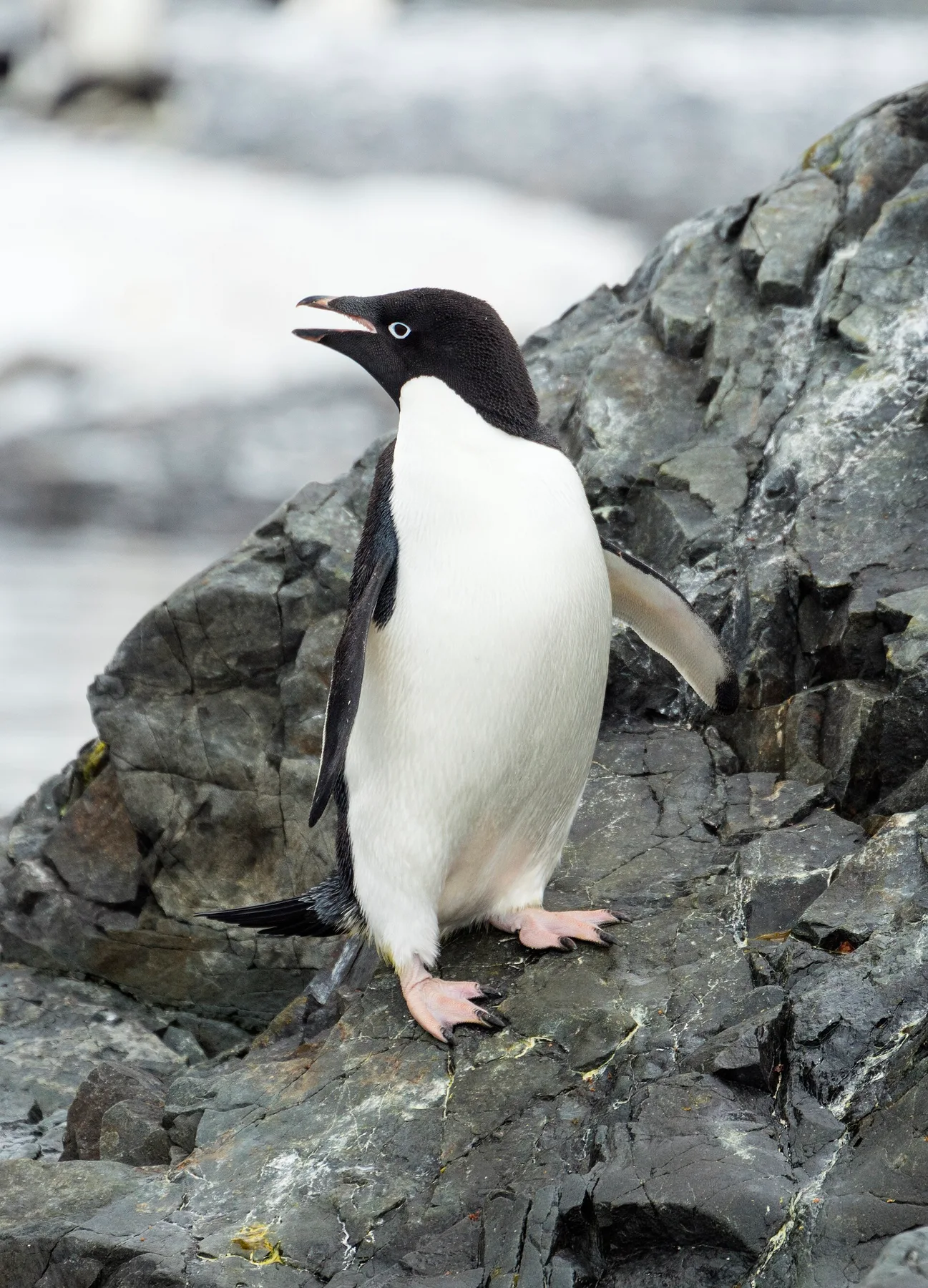
Antarctica penguin die-off: avian cholera, not bird flu, killed more than 537 Adelie penguins
Scientists who expected to find bird flu on Antarctica's Danger Islands found a bacterial disease instead, a result published this month in Proceedings of the Royal Society B.
1d ago
Science
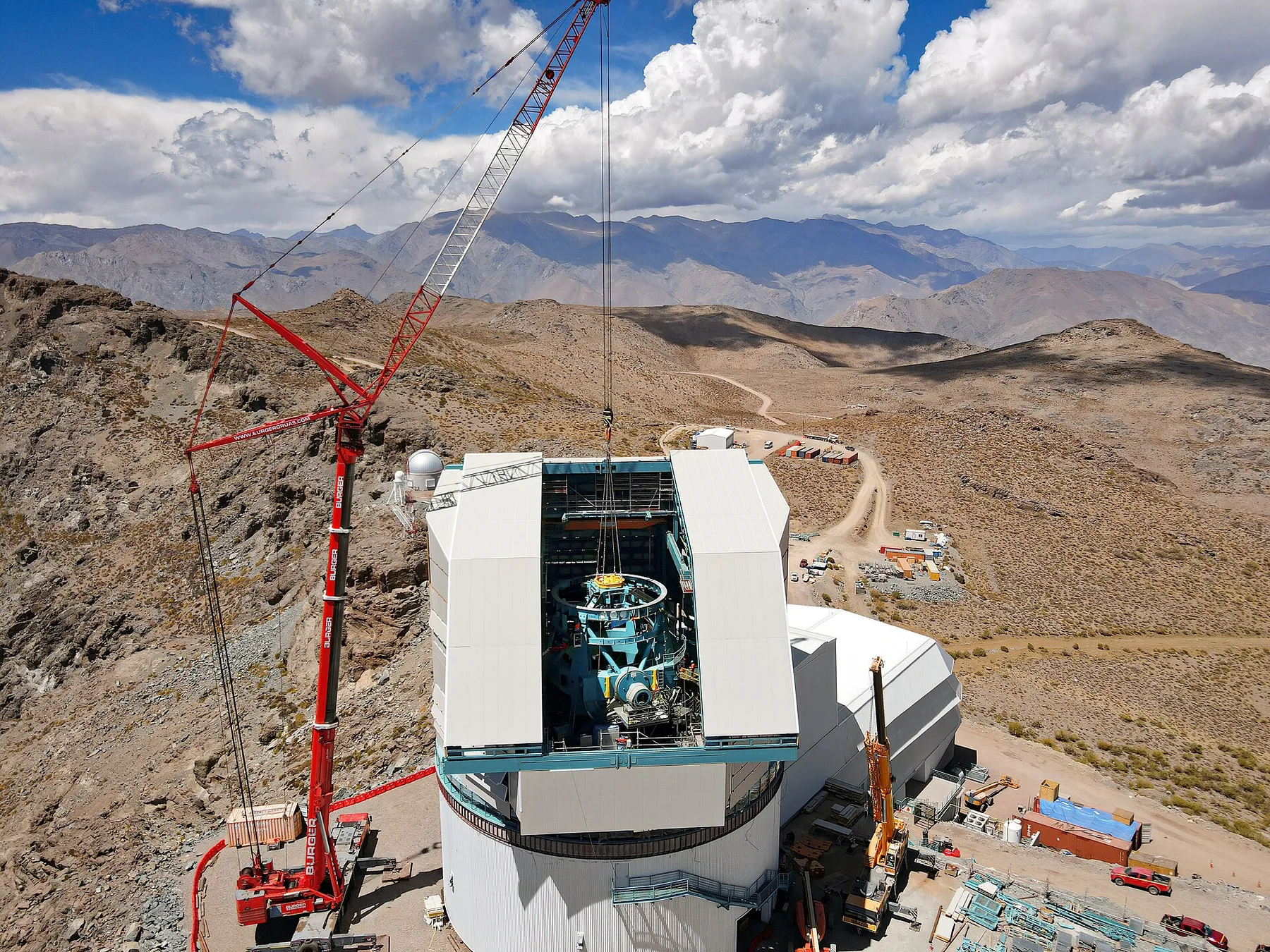
New dwarf planet candidate 2026 ED138 found beyond Pluto by Rubin Observatory
An icy world about 46 times farther from the Sun than Earth, possibly 600 to 1,500 km wide, could become the sixth known dwarf planet if follow-up checks confirm it.
2d ago
Science
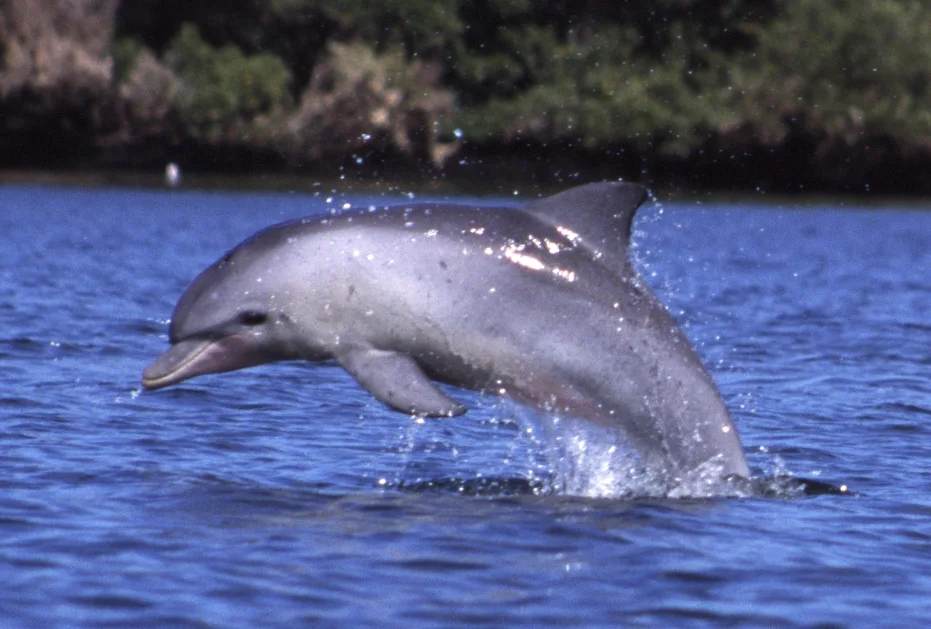
Gwadar dolphins: pod of more than 500 bottlenose dolphins filmed off the Balochistan coast
A fishing boat captain saw the Indo-Pacific bottlenose dolphins leaping beside his vessel. WWF-Pakistan's adviser calls it a sign of a healthy food chain in Gwadar's waters.
3d ago
Science
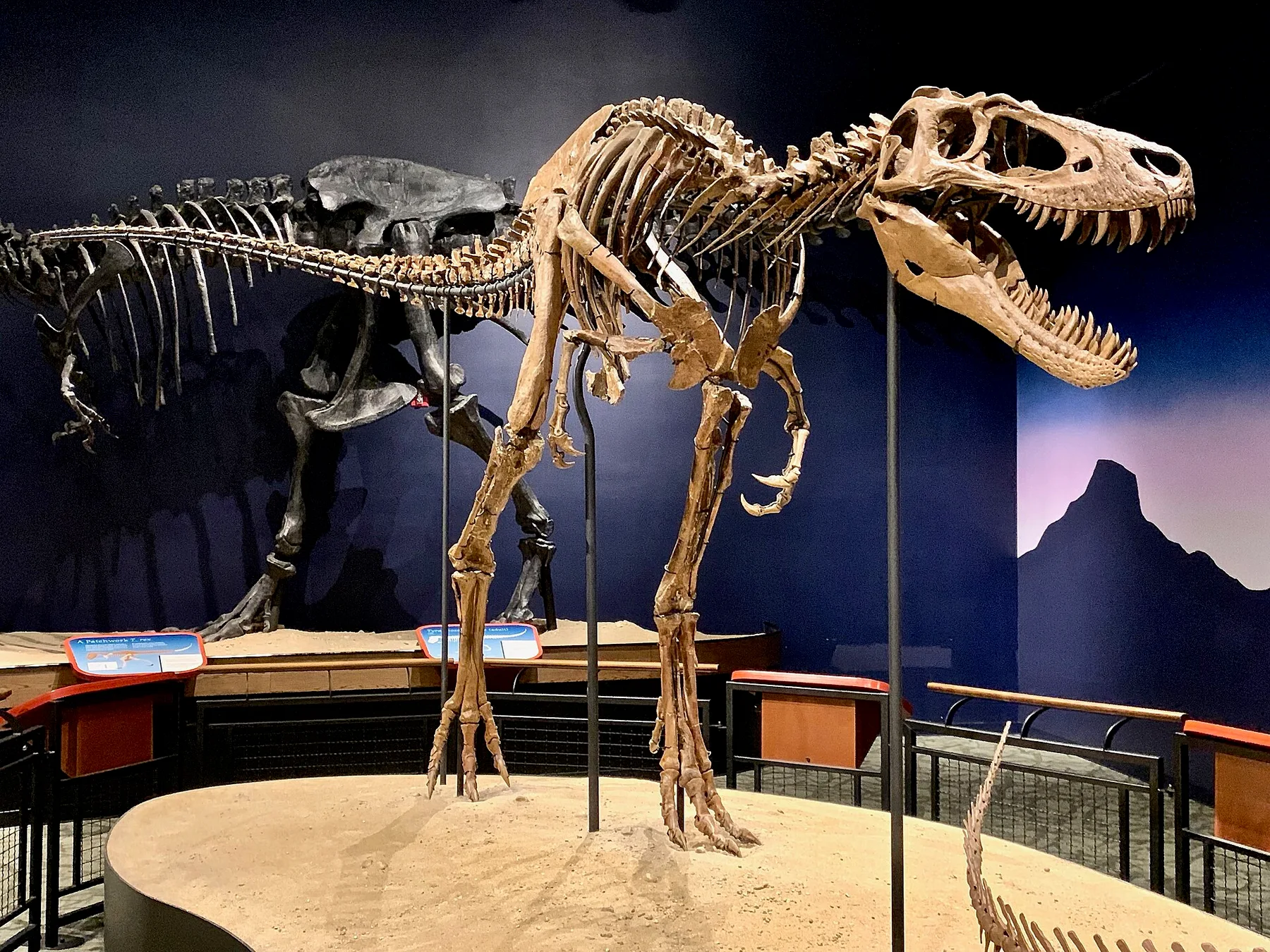
Nanotyrannus 'Jodi' sells for $47.3 million, second-highest price ever for a dinosaur
The Sotheby's sale, about Rs 13 billion, beat a $9 million estimate and trails only the $50.1 million T. rex 'Gus'.
4d ago
Reader comments 0
No comments yet. Say something useful.