Invictibellatrix amberina: fossil kept in a London museum drawer for 100 years is a new T. rex relative
A tiger-sized, long-clawed predator from 120 million years ago was hiding in the Natural History Museum's stores since 1924.
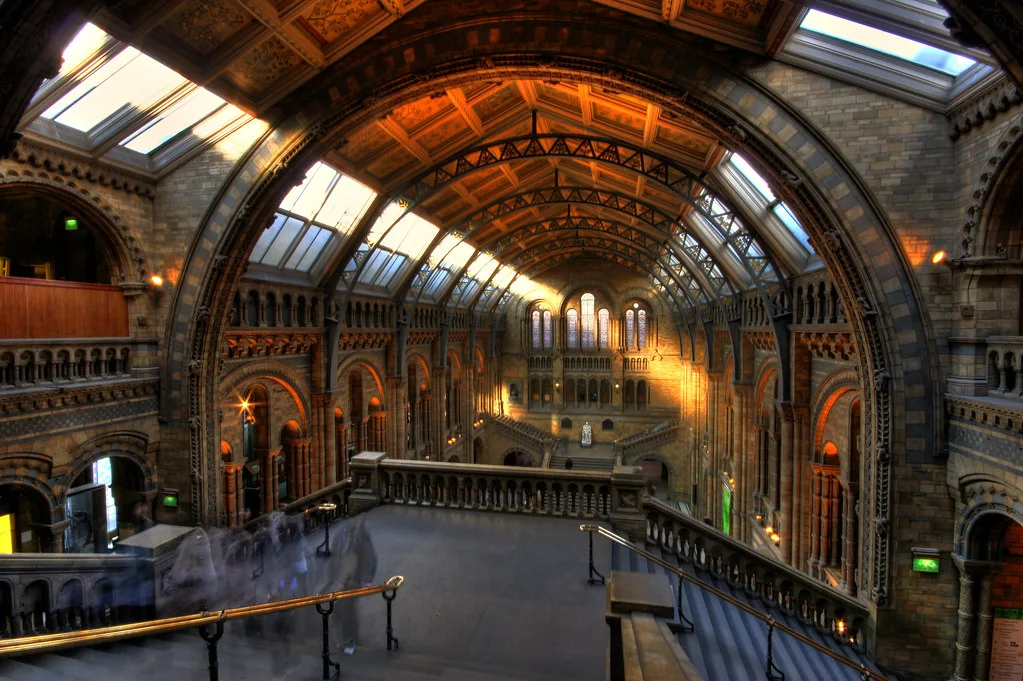
A skull fragment that sat in a drawer at London's Natural History Museum for almost 100 years belongs to a new species of meat-eating dinosaur, Invictibellatrix amberina, a team led by Dr Cassius Morrison of University College London has reported in the journal Royal Society Open Science, CBS News reported.
The new dinosaur in numbers
- Age: about 120 million years old, from the Early Cretaceous.
- Length: about 10 to 13 feet (3 to 4 metres), roughly the length of a Suzuki Alto.
- Height: almost 5 feet (about 1.5 metres), around the height of a schoolchild of 11.
- Group: a megaraptoran, a two-legged carnivore closely related to the tyrannosaurs, the family of T. rex. It is one of the smallest and earliest megaraptorans known.
- Weapons: long arms with large curved claws, which it used to attack prey instead of its jaws. It probably had feathers.
- Diet: smaller dinosaurs, lizards and early mammals.
What the name means
Invictibellatrix is Latin for "unconquered female warrior". Amberina refers to the amber found in the rocks where the fossil came from.
How a 1924 find became a 2026 discovery
- 1924: collector Reginald Walter Tooley dug up about 1,000 specimens on the Isle of Wight, off England's south coast. The Natural History Museum bought them the same year.
- A century in storage: one piece, the back of a skull known as the braincase, stayed in a museum drawer, unstudied.
- CT scan: Morrison's team scanned it and compared its shape with tyrannosaurs, spinosaurs and raptors. Features found in no known species led them to name a new one.
Asked whether it would have hunted people had they lived at the same time, Morrison said humans would have been "perfectly sized prey" and "they definitely would have chased us".
Why it matters
Megaraptorans are best known from South America and Australia, and many were larger. A small, early member of the group in what is now England helps scientists work out where these predators first appeared and how they spread. It is also a reminder that old museum collections can still hold species no one has described.
Frequently asked questions
- What is Invictibellatrix amberina?
- A newly named megaraptoran dinosaur, a 3 to 4 metre, long-clawed carnivore related to the tyrannosaurs, that lived about 120 million years ago on what is now the Isle of Wight in England.
Sources
More in Science

Science
Dying Sun could break up the outer solar system billions of years sooner than thought
A new study finds the Sun's uneven death throes may scatter Jupiter, Saturn, Uranus and Neptune within about a billion years of it becoming a white dwarf.
1d ago

Science
James Webb finds water clouds that thicken and thin on WISE 0855, the coldest brown dwarf known
Eleven hours of Webb data show patchy water clouds and rising carbon monoxide on a Jupiter-sized object 7.5 light-years away, colder than a Murree winter night.
4d ago
Reader comments 0
No comments yet. Say something useful.