NASA asks private companies to save the Hubble telescope: proposals due 30 November
Hubble is sinking towards an uncontrolled re-entry in 2033 or 2034. NASA wants a commercial reboost, a servicing mission or, failing that, a safe disposal by 2032.
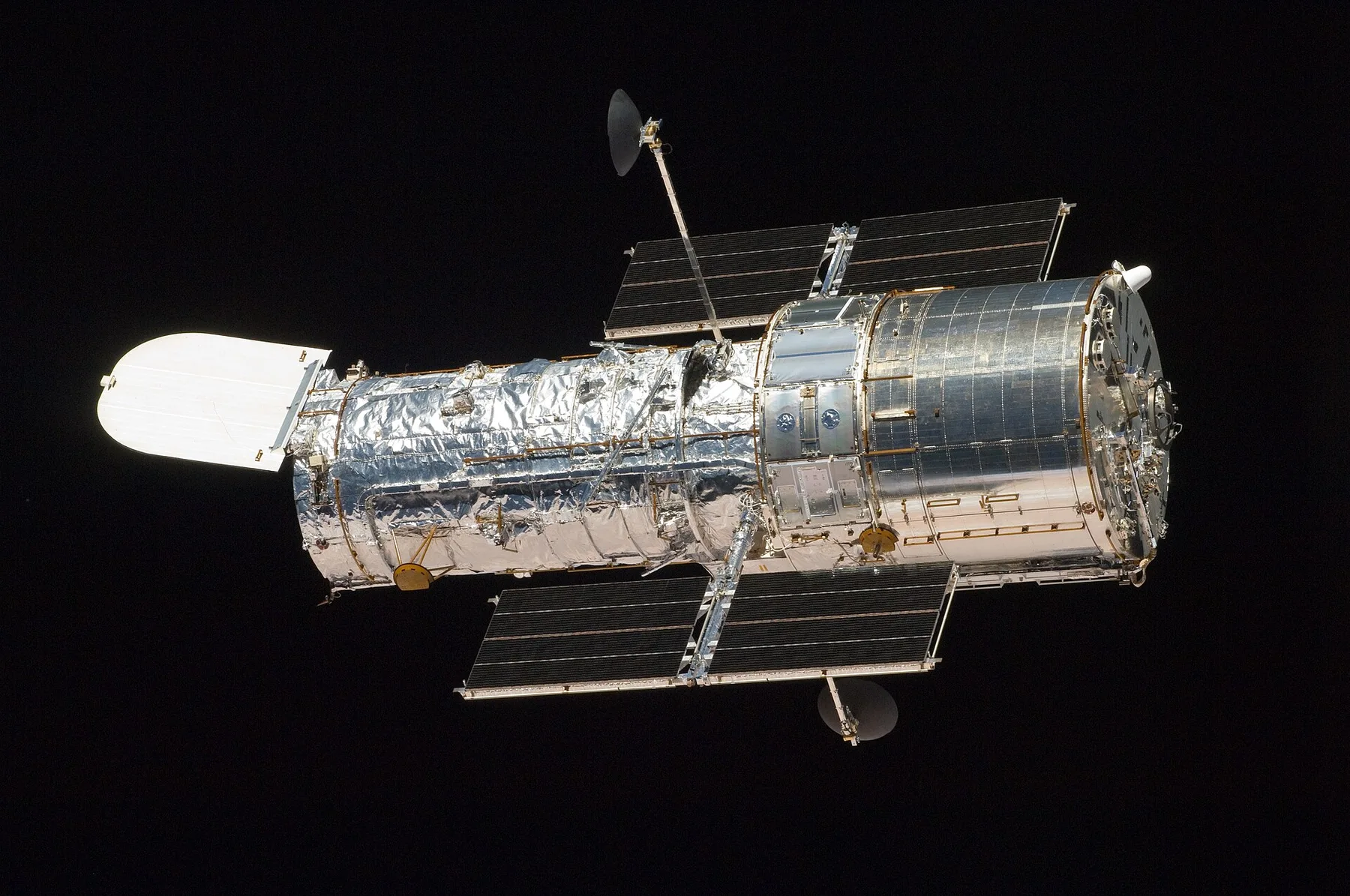
NASA has asked private space companies to propose a mission to save the Hubble Space Telescope, which is slowly falling out of orbit and has no engine of its own to climb back. The agency issued a Request for Information on 29 October, and companies have until 3pm US Eastern time on 30 November (1am PKT on 1 December) to respond, NASA announced.
What NASA is asking for
NASA wants ideas in three areas, Gizmodo and NewSpace Economy reported:
- Reboost: capture Hubble and push it up to an orbit of 600 km or higher, which would buy years of extra life.
- Servicing: a tune-up of the observatory while it is attached.
- Disposal: if saving it is not practical, a controlled re-entry so the 11-tonne telescope does not fall uncontrolled.
Any company that responds must plan the mission, supply and launch its own spacecraft and any crew, and must not damage Hubble. NASA has set 2032 as the year by which an intervention would be needed. Without one, its current projection is an uncontrolled re-entry in 2033 or 2034.
"Hubble still has important science ahead of it," NASA Administrator Jared Isaacman said, adding that NASA should look at "every reasonable opportunity to keep it delivering for as long as possible."
Why Hubble needs help now
Hubble was launched in 1990 and was last visited by astronauts in May 2009, on the Space Shuttle Atlantis's Servicing Mission 4. That mission fitted Wide Field Camera 3 and the Cosmic Origins Spectrograph, replaced batteries and gyroscopes, and attached a docking fixture meant for exactly this kind of later rendezvous. Hubble had five shuttle servicing visits in all, in 1993, 1997, 1999, 2002 and 2009, and the shuttles that raised its orbit are now in museums.
Atmospheric drag pulls the telescope a little lower every year, and the decay speeds up when the Sun is active, as it has been through this solar cycle. A commercial reboost would be the first time a private spacecraft has grappled a major science observatory.
Why it matters
Hubble's images are among the most used in classrooms and universities worldwide, including in Pakistan, where its archive is free to every student and astronomy club. The James Webb Space Telescope sees in infrared; Hubble is still the main large telescope above the atmosphere working in visible and ultraviolet light, so losing it would leave a gap no planned mission fills.
The private offer is not new: in 2022 NASA studied a SpaceX proposal to boost Hubble and decided not to proceed at the time. The new request reopens that door, with responses due by the end of this month.
Frequently asked questions
- When will Hubble fall to Earth?
- Without a reboost, NASA projects an uncontrolled re-entry in 2033 or 2034, and says an intervention would be needed by 2032.
- What is NASA asking companies to do for Hubble?
- Propose missions to raise Hubble to 600 km or higher, service it, or carry out a controlled re-entry. Responses are due by 3pm US Eastern time on 30 November 2026.
Sources
More in Science

Science
Warming at 1.37C is 'already unsafe' for Earth's ice, two new cryosphere reports warn; sea rise could hit 5cm a year
Reports written with 80 scientists say every year above 1.5C locks in more glacier and ice-sheet loss. Switzerland has already lost a fifth of its glacier mass.
1d ago
Science
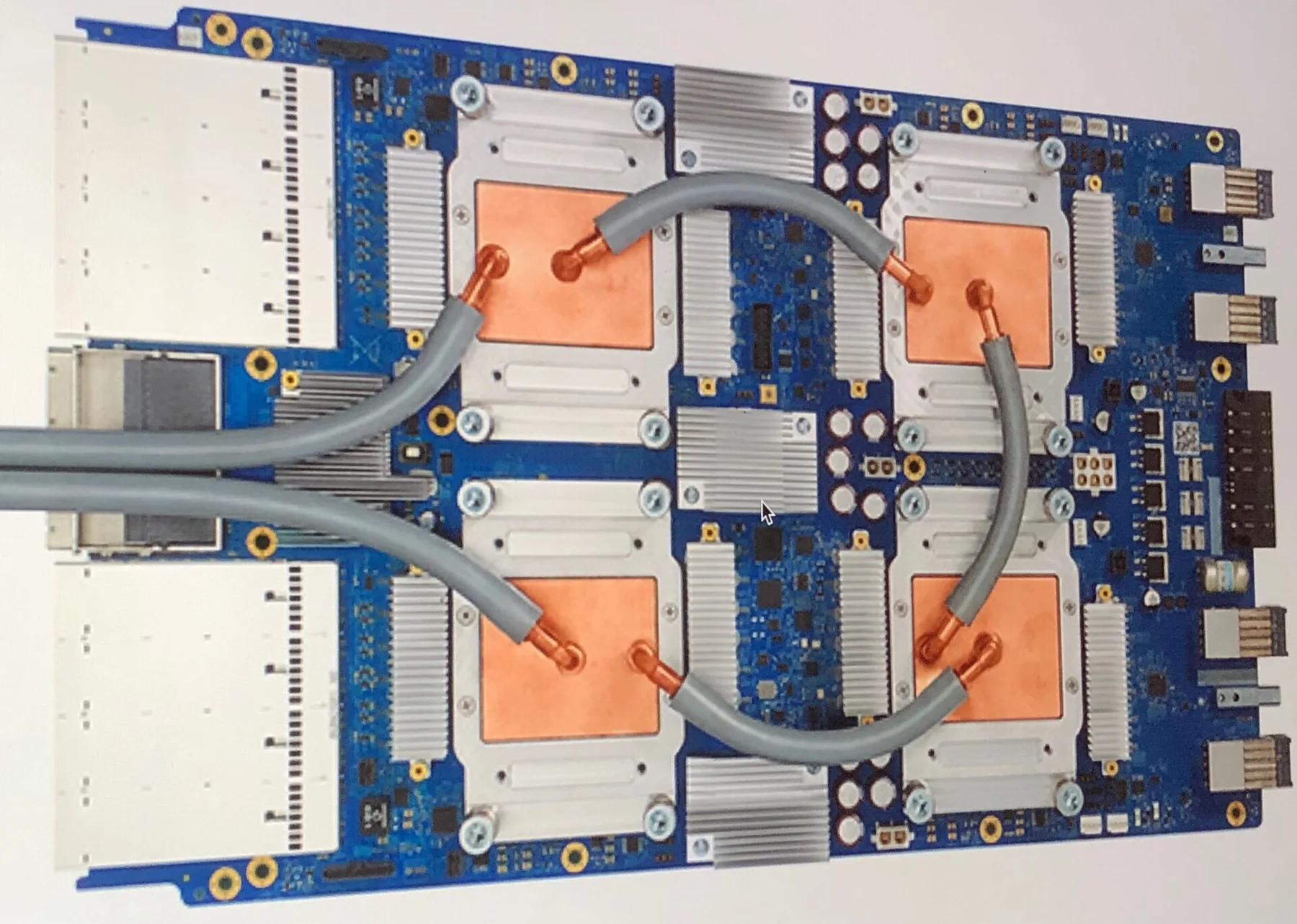
Google runs an AI model on a satellite for the first time: Project Suncatcher's TPU answers from orbit
A Gemma 4 model on a Google satellite wrote a three-line poem and beamed it down over Norway. Why Google wants solar-powered AI data centres in space, and the hurdles.
3d ago
Science
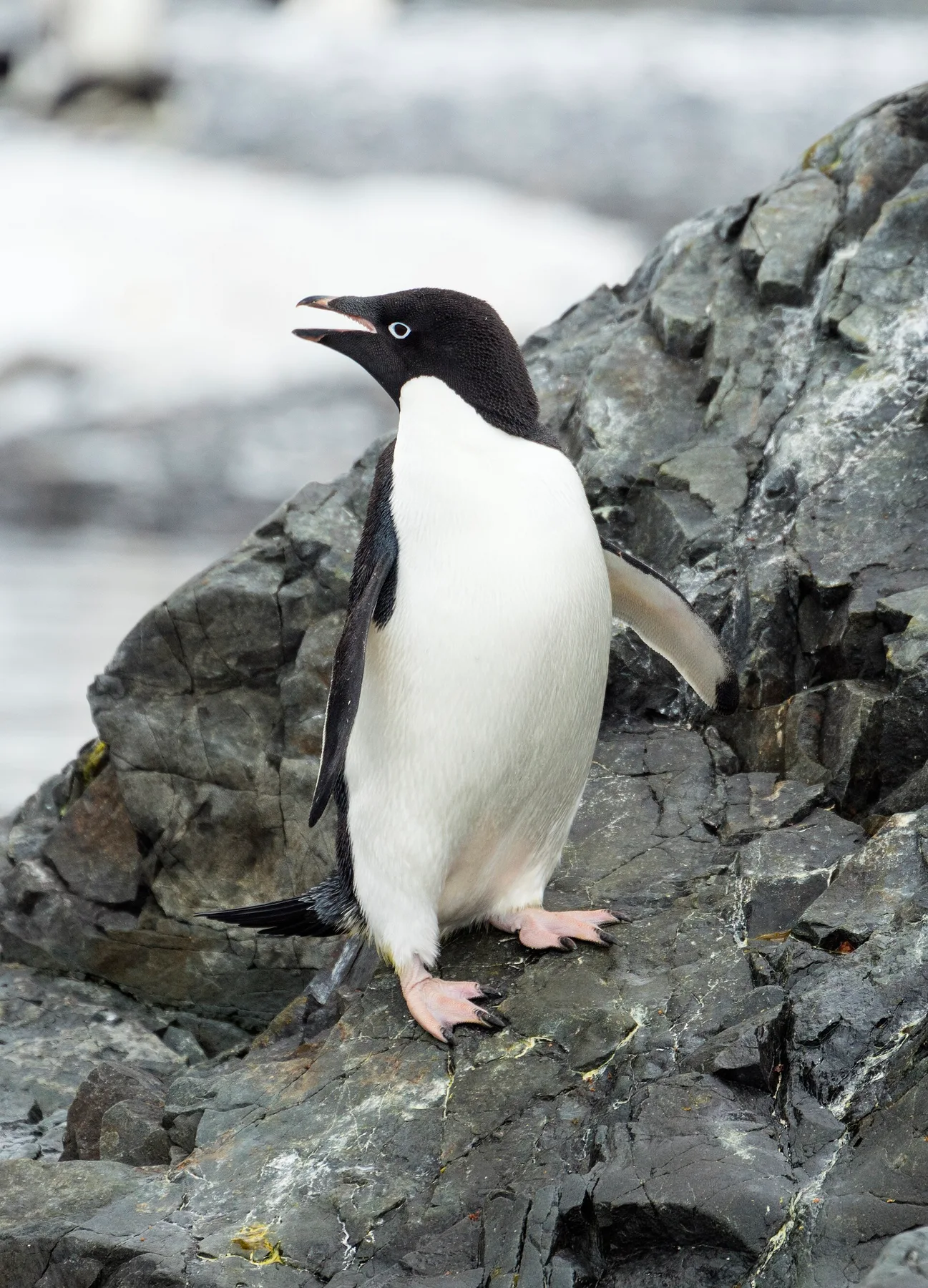
Antarctica penguin die-off: avian cholera, not bird flu, killed more than 537 Adelie penguins
Scientists who expected to find bird flu on Antarctica's Danger Islands found a bacterial disease instead, a result published this month in Proceedings of the Royal Society B.
4d ago
Reader comments 0
No comments yet. Say something useful.