Warming at 1.37C is 'already unsafe' for Earth's ice, two new cryosphere reports warn; sea rise could hit 5cm a year
Reports written with 80 scientists say every year above 1.5C locks in more glacier and ice-sheet loss. Switzerland has already lost a fifth of its glacier mass.
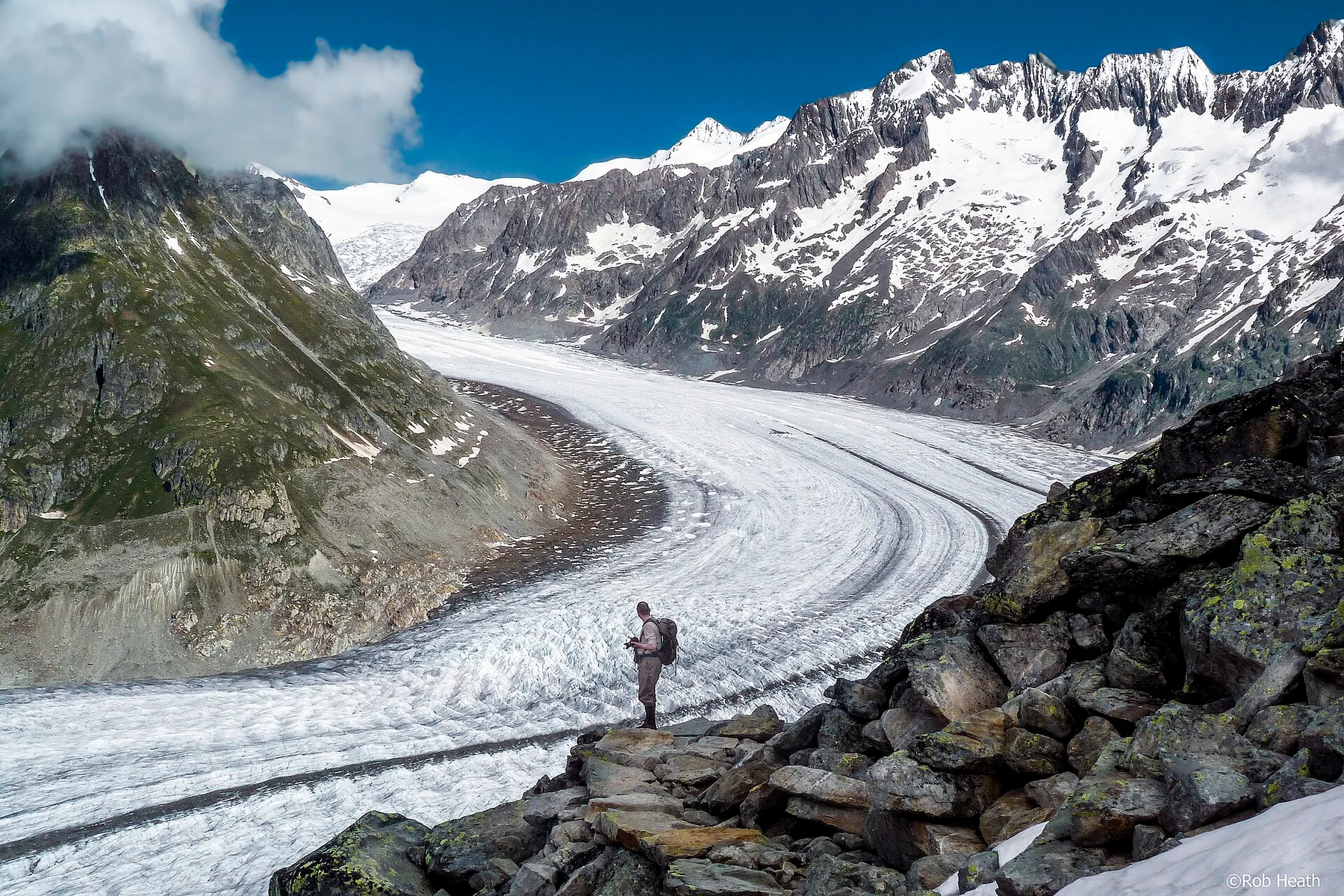
Global warming has reached about 1.37C above pre-industrial levels, and that is already too much for the world's ice, according to two reports released on Monday 2 November, Dawn reported.
The reports are "Overshoot and the Cryosphere", written with 80 scientists, and "State of the Cryosphere 2026: The Cost of Overshoot". Both look at what happens if the world goes past the 1.5C limit in the Paris Agreement and then tries to come back down, a path scientists call overshoot.
The key numbers
- 1.37C: warming so far, above pre-industrial levels.
- Around 2030: when the EU's Copernicus climate service projects the 1.5C threshold could be passed.
- 20%: share of its glacier mass Switzerland has already lost.
- 0.45cm a year: current global sea-level rise.
- Up to 5cm a year by 2150: possible sea-level rise if warming goes beyond 2.8C.
- 2.6C by 2100: a worst-case but "not-so-improbable" scenario even if countries meet their current climate pledges.
- Thawing permafrost could release about as much CO2 each year as the United States emits.
The reports say current warming is "already unsafe" for the Arctic, Antarctic, mountain glaciers and polar oceans, and that a safe level for the planet's ice over the coming centuries is closer to 1C or lower.
What the scientists say
"There are no good outcomes in exceeding 1.5C," said lead author James Kirkham, a glaciologist. "Every extra fraction of a degree and every year spent in overshoot means more devastating impacts."
Kirkham said getting back to 1.5C or below by 2100 is still possible with enough political will, mainly by reaching net zero emissions by mid-century. Matthew England of the University of New South Wales said recovery from overshoot could take "decades to centuries".
Why it matters in Pakistan
The reports do not single out Pakistan, but the country's rivers depend on the glaciers of the Karakoram, Himalaya and Hindu Kush, which feed the Indus. Faster melt means more glacial lake outburst floods in Gilgit-Baltistan and Chitral in the short term and less dependable summer river flow later, which matters for irrigation and for hydropower that supplies part of the grid.
For households, the most direct link is the electricity bill: you can see what your consumption costs with our electricity bill calculator, and whether rooftop solar pays back with the solar payback calculator.
Frequently asked questions
- How much has the world warmed so far?
- About 1.37C above pre-industrial levels, according to the cryosphere reports released on 2 November 2026.
Sources
More in Science

Science
Google runs an AI model on a satellite for the first time: Project Suncatcher's TPU answers from orbit
A Gemma 4 model on a Google satellite wrote a three-line poem and beamed it down over Norway. Why Google wants solar-powered AI data centres in space, and the hurdles.
2d ago
Science
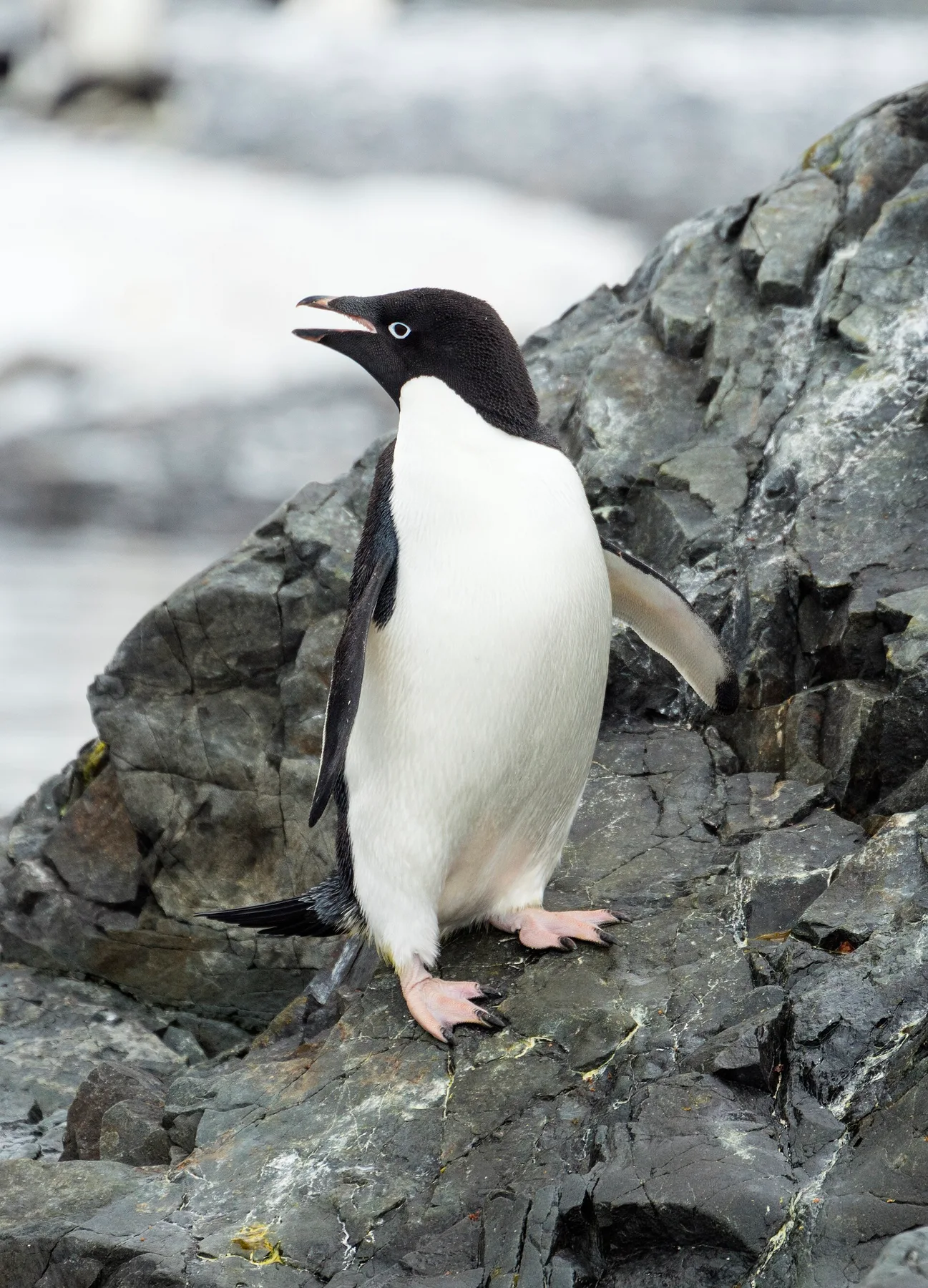
Antarctica penguin die-off: avian cholera, not bird flu, killed more than 537 Adelie penguins
Scientists who expected to find bird flu on Antarctica's Danger Islands found a bacterial disease instead, a result published this month in Proceedings of the Royal Society B.
3d ago
Science
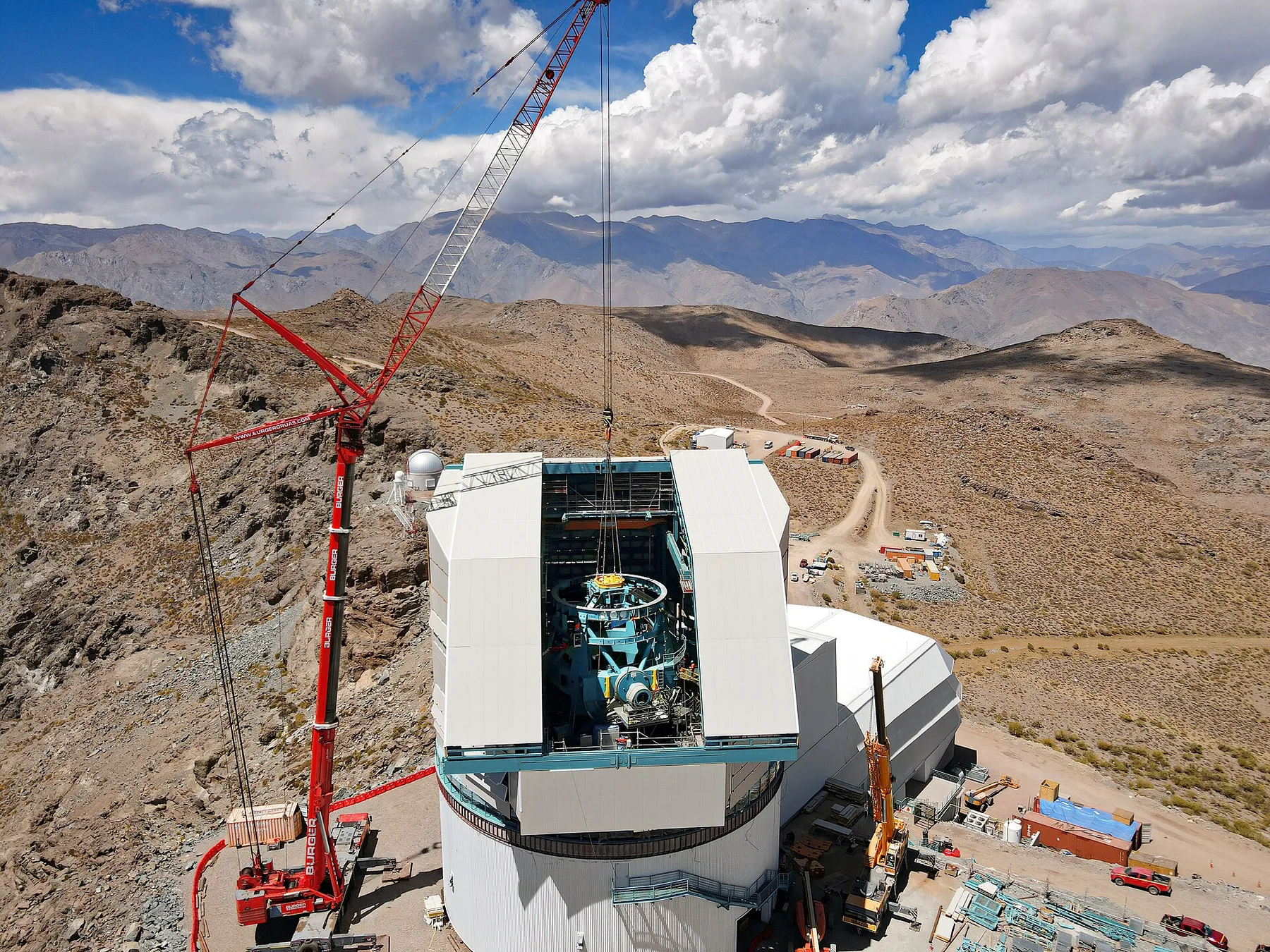
New dwarf planet candidate 2026 ED138 found beyond Pluto by Rubin Observatory
An icy world about 46 times farther from the Sun than Earth, possibly 600 to 1,500 km wide, could become the sixth known dwarf planet if follow-up checks confirm it.
4d ago
Reader comments 0
No comments yet. Say something useful.