World Bank tells Pakistan to move from stability to growth; Aurangzeb points to $3bn Eurobond
World Bank and IFC officials met the finance minister in Islamabad on Friday and urged a shift to investment and private-sector-led growth. Here is what was said and what it could mean for jobs.
The World Bank has told Pakistan it is time to move from stabilising the economy to growing it, with more room for investment and private business, Dawn reported on Saturday. The advice came at a meeting with Finance Minister Muhammad Aurangzeb in Islamabad on Friday 23 October, according to an official statement.
Dawn noted that this is the second time the Bank has made the point; it had earlier praised the stabilisation programme and asked for growth that creates jobs for young people. The IMF gave similar advice at a recent workshop on tax reform, the newspaper said.
Who was in the room
- Sandeep Mahajan, World Bank Regional Practice Director for the Prosperity Vertical (Middle East, North Africa, Afghanistan and Pakistan)
- Bolormaa Amgaabazar, World Bank Country Director for Pakistan
- Simon Andrews, Division Director at the International Finance Corporation (IFC), the Bank's private-sector arm
- Finance Minister Muhammad Aurangzeb
What the World Bank said
Mahajan congratulated Pakistan on restoring macroeconomic stability and on its handling of the recent crisis linked to the regional conflict. He said the buffers built during stabilisation, and a quick policy response, helped the country absorb external pressure. The gains now need to be locked in through reforms that are actually implemented, he said.
What Aurangzeb said
The finance minister said the government's aim is to make stability durable and turn it into investment-led, export-driven growth. His points:
- Pakistan is back in international capital markets, including a $3 billion Eurobond with five-year and 10-year maturities.
- More credit-rating upgrades are needed to cut borrowing costs and raise investor confidence.
- Any move to growth must keep fiscal discipline and deal with weaknesses in the external account.
- Investors need predictable policy, so continuity matters.
The two sides also discussed privatisation and what happens after a sale, regulation, infrastructure financing and how other countries use fiscal rules to manage outside shocks.
What it means for you
"Stability" over the past two years has meant tight budgets, high taxes and an interest rate kept up to bring inflation down. "Growth" in the World Bank's sense means more private investment and more jobs, but it also depends on reforms such as privatisation and a broader tax base. For a salaried reader, the near-term question is whether taxes and borrowing costs ease; see what this year's tax takes from your pay with the income tax calculator, and follow the policy rate, KIBOR and the rupee on our data pages.
No new loan, figure or forecast was announced at the meeting.
Frequently asked questions
- What did the World Bank tell Pakistan on 23 October 2026?
- To shift from stabilisation to sustainable growth, with more investment and private-sector activity, while keeping fiscal discipline and policy continuity.
Sources
More in Economy
Economy
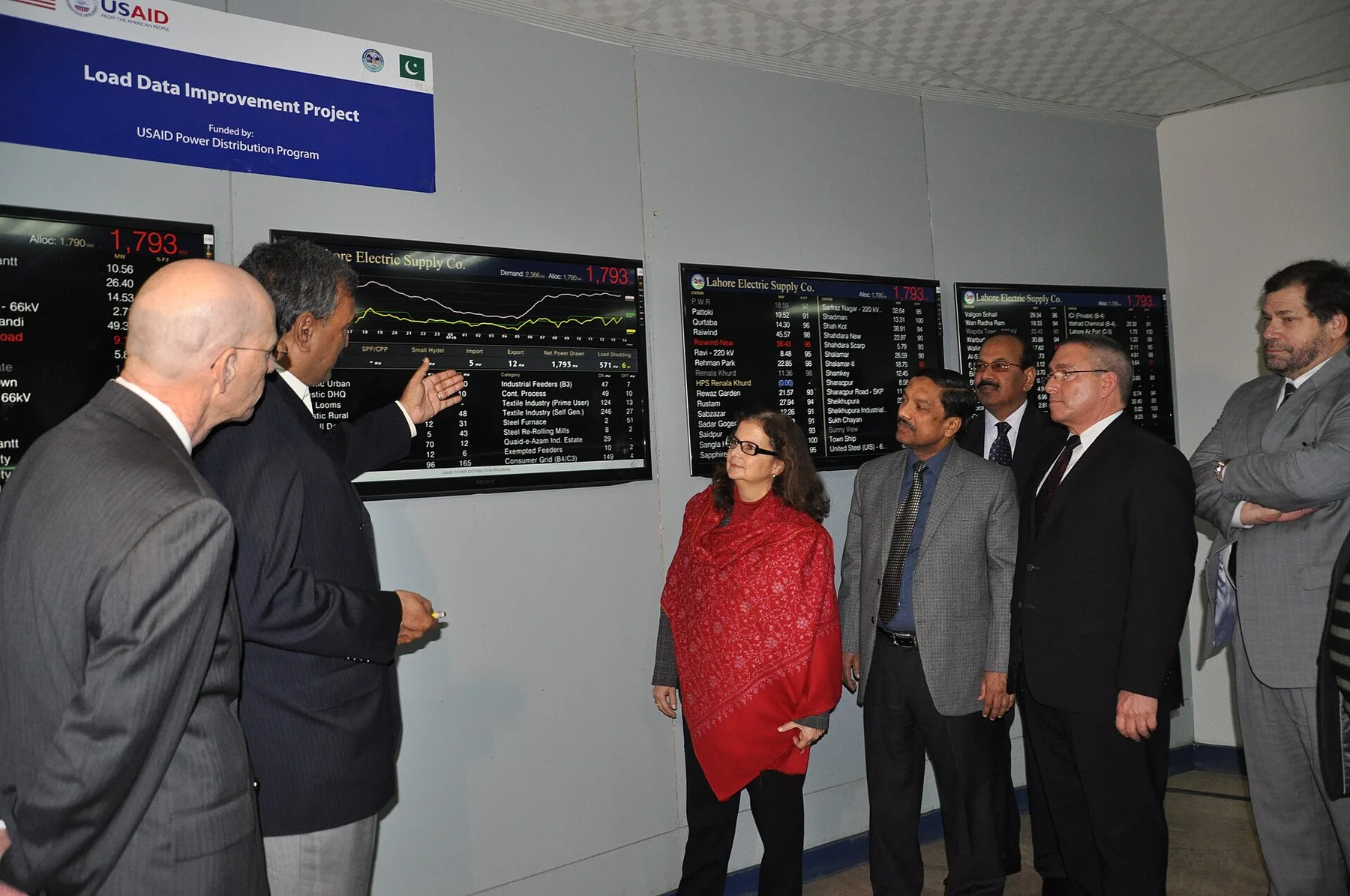
Electricity bills: Discos' income tax may be passed to consumers, about 50 paisa a unit, industry says
LESCO wants about Rs 20 billion and FESCO Rs 15 billion for minimum turnover tax to be recovered through tariffs. What it could add to your bill.
7h ago
Economy
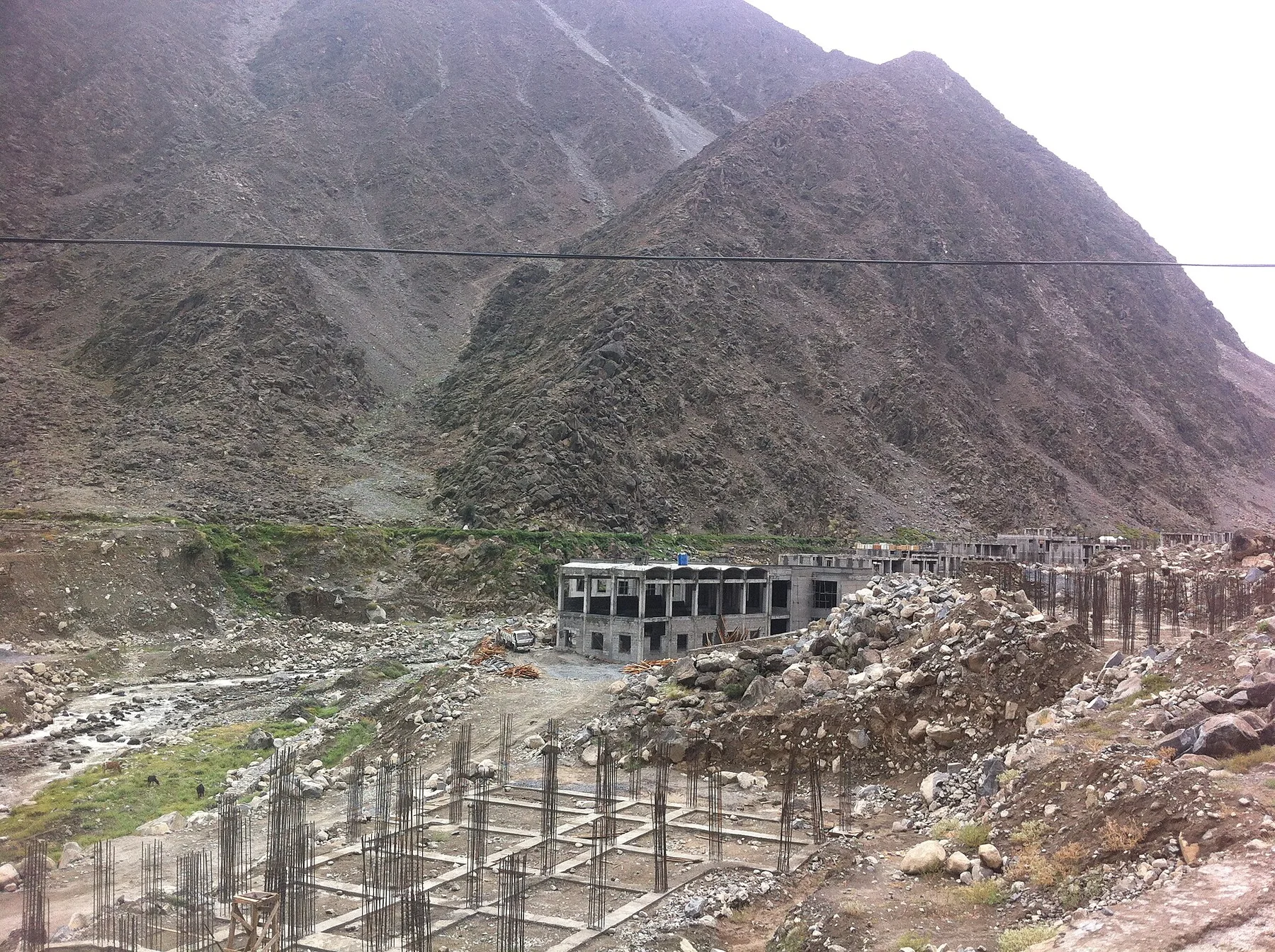
Diamer-Bhasha Dam: WAPDA signs Rs 133.18 billion contract with Power China-IKAN for gates and steel works
The HM-1 contract covers the gates, steel lining and hoisting systems that will control water at the 8.1 MAF, 4,500 MW dam on the Indus near Chilas.
7h ago
Reader comments 0
No comments yet. Say something useful.