NASA's Swift telescope falls back to Earth after 22 years as a $30 million rescue fails
The gamma-ray observatory, launched in 2004 for a two-year mission, was due to burn up over the tropics on 4 November after the LINK rescue craft spun out of control.
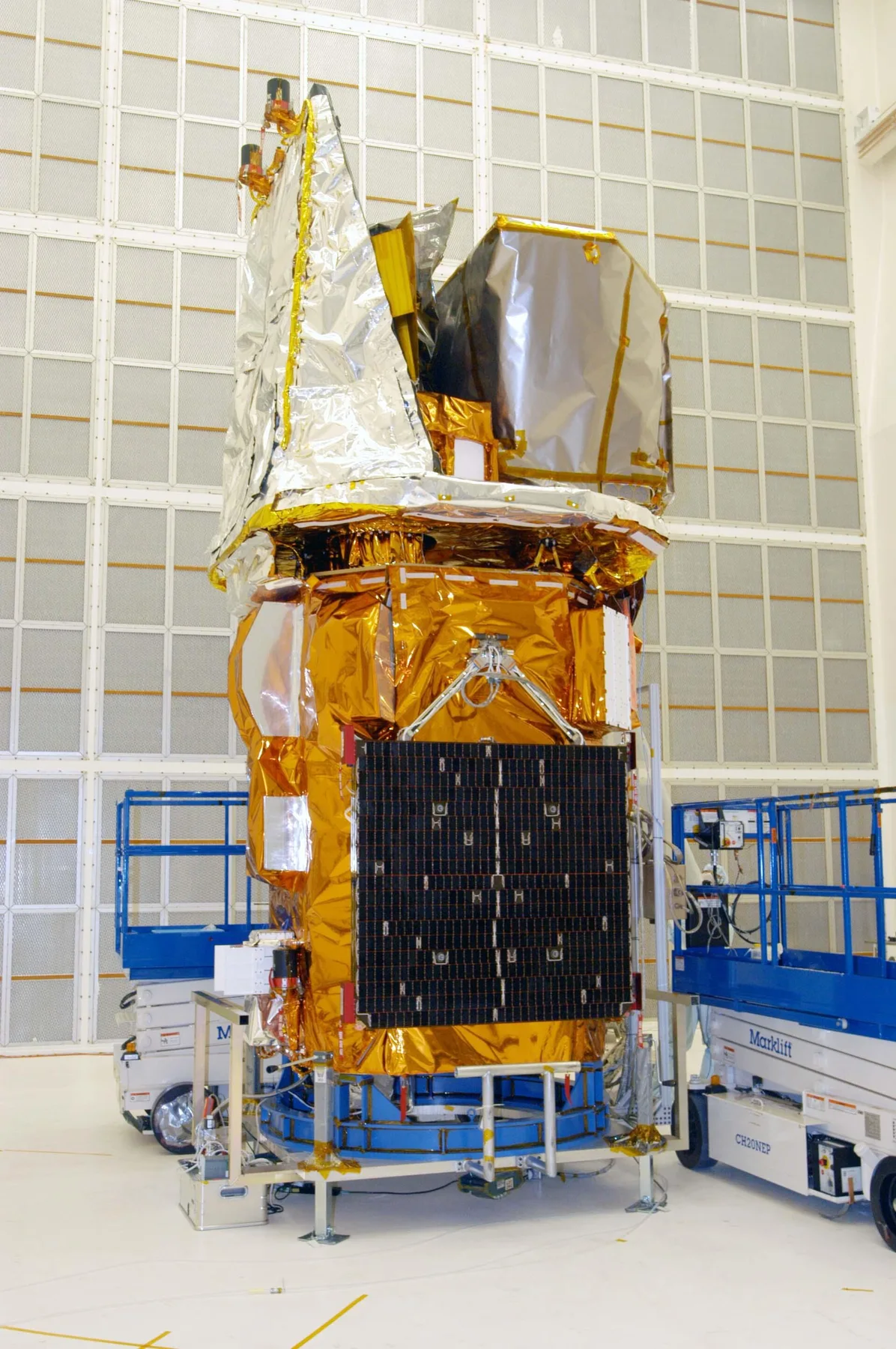
NASA's Neil Gehrels Swift Observatory, which has watched the universe's biggest explosions since 2004, was due to re-enter the atmosphere and burn up over the tropics on Wednesday, 4 November 2026, Dawn reported, citing NASA.
When, in Pakistan time
Estimates of the re-entry time differed:
- NASA: about 3:30am EST (08:30 GMT), which is 1:30pm PKT.
- The Aerospace Corporation: 5:19am EST, plus or minus two hours, around 3:19pm PKT.
- Astrophysicist Jonathan McDowell, citing revised US Space Force data: about 7:45am EST, around 5:45pm PKT.
NASA said any fragments that survive are unlikely to threaten populated areas. The US Space Force put the chance of anyone on Earth being harmed at one in 2,100.
Why it came down
Swift has no engine of its own. Drag from the thin upper atmosphere has been pulling it lower for months as it circled the Earth at about 27,000 km an hour. "The satellite is in a very circular orbit, skimming the top of the atmosphere," McDowell said.
In July, NASA and Arizona start-up Katalyst launched a small spacecraft called LINK to latch on to Swift and push it higher. LINK began spinning uncontrollably soon after reaching orbit, and by mid-August the mission was abandoned. The contract was worth $30 million, and Katalyst built LINK in nine months.
What Swift did
The 1,452 kg observatory cost around $500 million and carried three telescopes. It was built to catch gamma-ray bursts, the most powerful explosions known, which flash from the cores of distant galaxies. It was designed for a two-year prime mission and worked for 22.
Over that time it also studied galaxies powered by supermassive black holes, stars throwing off X-ray flares, and comets and asteroids in our own solar system.
Why it matters beyond NASA
Swift's end is a test case for the idea of servicing satellites in orbit: refuelling, reboosting or repairing them instead of letting them fall. The LINK failure shows how hard that still is, even as NASA turns to private companies for similar jobs, including its recent call for proposals to keep the Hubble Space Telescope in orbit (our report).
Frequently asked questions
- Is Swift's re-entry dangerous?
- NASA said surviving fragments are unlikely to threaten populated areas, and the US Space Force put the chance of anyone being harmed at one in 2,100.
- When did Swift re-enter in Pakistan time?
- NASA expected about 1:30pm PKT on 4 November 2026; other estimates ranged up to about 5:45pm PKT.
Sources
More in Science
Science
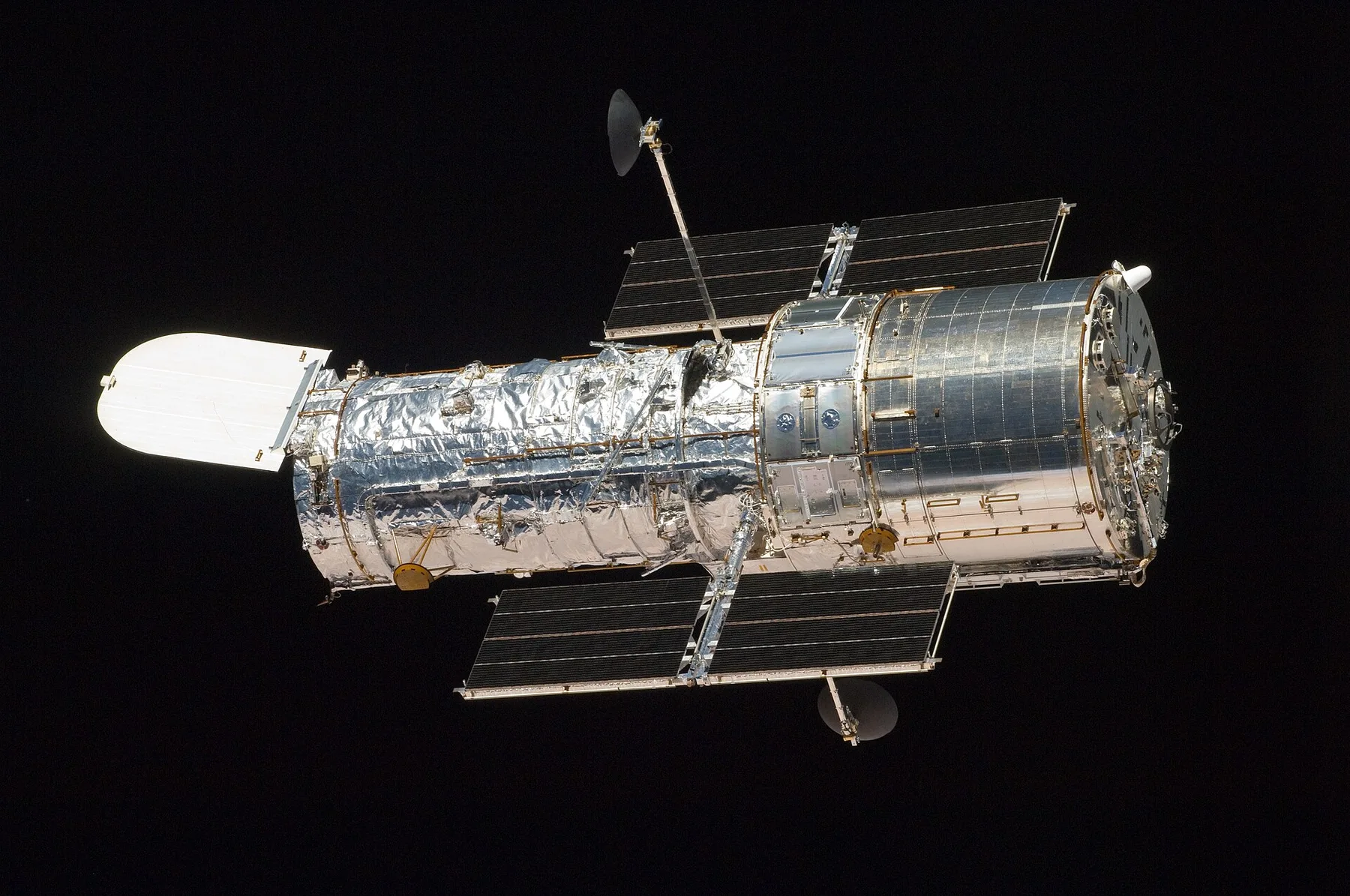
NASA asks private companies to save the Hubble telescope: proposals due 30 November
Hubble is sinking towards an uncontrolled re-entry in 2033 or 2034. NASA wants a commercial reboost, a servicing mission or, failing that, a safe disposal by 2032.
6h ago

Science
Warming at 1.37C is 'already unsafe' for Earth's ice, two new cryosphere reports warn; sea rise could hit 5cm a year
Reports written with 80 scientists say every year above 1.5C locks in more glacier and ice-sheet loss. Switzerland has already lost a fifth of its glacier mass.
1d ago
Science
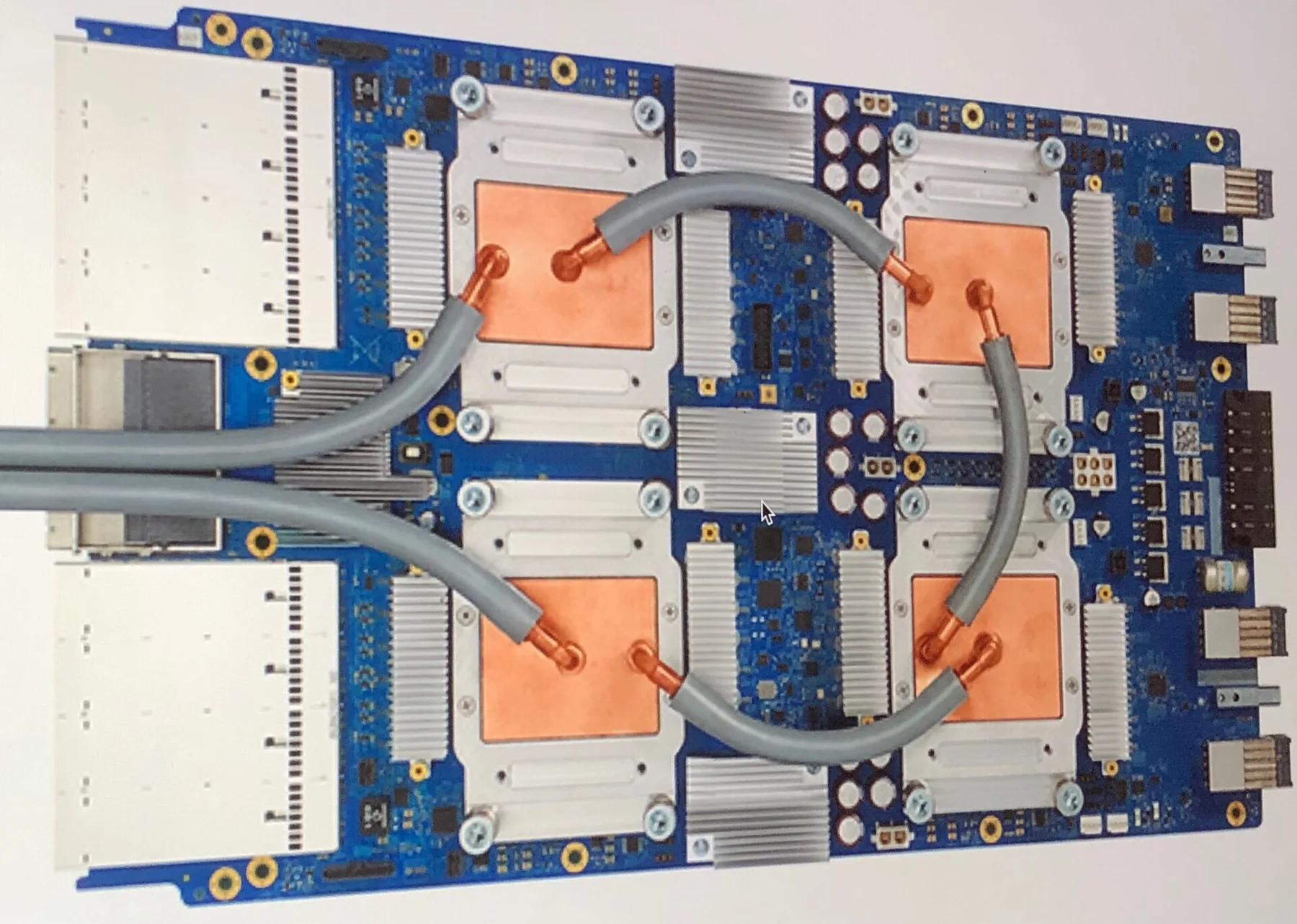
Google runs an AI model on a satellite for the first time: Project Suncatcher's TPU answers from orbit
A Gemma 4 model on a Google satellite wrote a three-line poem and beamed it down over Norway. Why Google wants solar-powered AI data centres in space, and the hurdles.
3d ago
Reader comments 0
No comments yet. Say something useful.