Trump signs the Russia sanctions act: 100pc tariff power over the top five oil buyers
The Lindsey O Graham Sanctioning Russia and Iran Act of 2026 became law on Friday. It lets Washington tariff the biggest buyers of Russian oil, which is why it matters at a Pakistani pump.

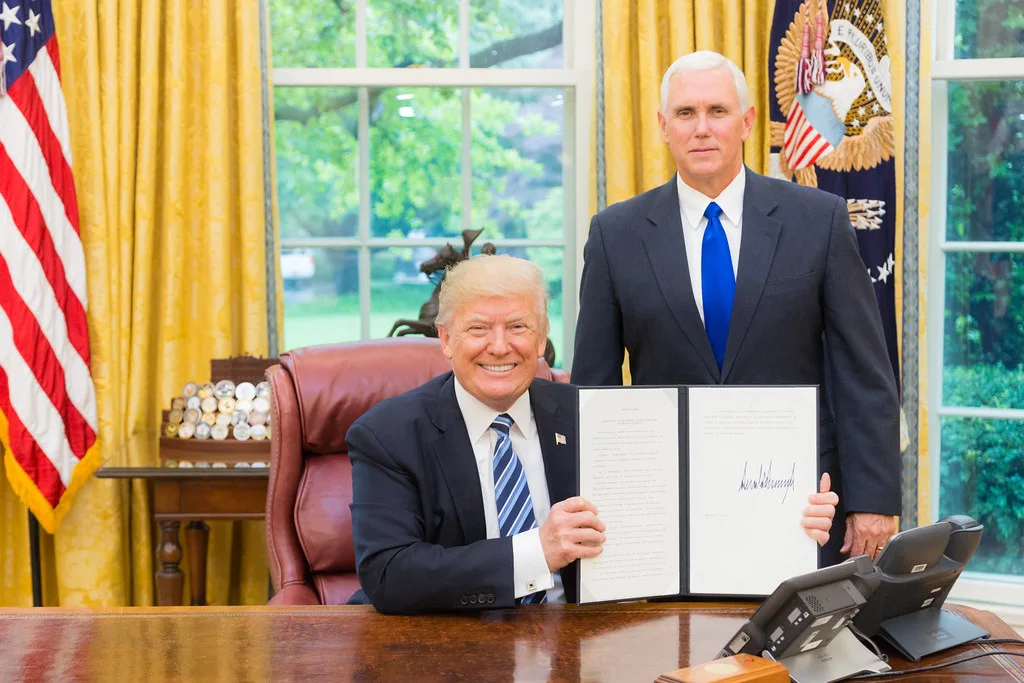
President Trump signed the Russia sanctions bill into law on Friday 18 September, giving final effect to a measure that had been through Congress with rare bipartisan support. It is called the Lindsey O Graham Sanctioning Russia and Iran Act of 2026, named after the Republican senator who negotiated it before his death in July.
The House passed it 262 to 159, with 58 Democrats crossing party lines, after the Senate cleared it 86 to 11.
What the law does
It targets President Putin, senior Russian officials, oligarchs, banks and financial institutions, and the energy and defence sectors. It also goes after the shadow fleet of tankers Moscow uses to move oil around existing Western sanctions. A separate section extends sanctions on Iran's energy and weapons sectors.
The part that matters outside Russia is the secondary power: the law lets the president impose tariffs of up to 100 per cent on the five largest buyers of Russian oil and gas. China and India are the two expected to be most affected.
The law grants the power. It does not, on its own, set a date for tariffs or name a country. That comes later, by executive action.
India's response
New Delhi said it "remains firmly committed to ensuring energy security" for its 1.4 billion citizens, which is the diplomatic way of saying it does not intend to stop buying. In Washington, House Minority Leader Hakeem Jeffries warned the tariff powers would raise costs for American families.
The line that runs to a Pakistani petrol pump
Pakistan does not buy Russian crude at any scale. The connection is the global price, and it runs through India.
India has been taking a large share of discounted Russian barrels since 2022. If a 100 per cent tariff threat pushes Indian refiners off Russian crude, they have to buy the same volume from the Gulf, Africa or the United States instead. That is a large block of demand moving into the same barrels Pakistan competes for, and it pushes Brent up. Pakistan imports essentially all of its crude and refined product, so a higher Brent lands here as a higher ex-refinery price at the next fortnightly review.
The opposite case is just as real: if the tariff power is never used, the discounted barrels keep flowing, and nothing changes.
Where prices stand today
Petrol came down Rs 1.65 to Rs 389.14 a litre from midnight and high-speed diesel is Rs 424.04, with diesel the one that has been climbing. Diesel is the number that reaches everybody, because it prices freight, buses, tractors and generators, and it feeds straight into food prices within weeks.
Brent was just above $104 on Friday after approaching $110 earlier in the week, with the Hormuz disruption already in the price. Two more ships were attacked in the strait this week. A demand shift of the size Indian refiners represent would land on a market that is already tight.
Work out what a fortnightly change costs your car on the fuel cost calculator, and today's prices are on the petrol price page and the diesel price page.
What to watch
The signature is the second step, not the last. The tariffs are a power granted, not a policy announced. Watch for the first executive action naming a country and a rate. Until that happens, nothing has changed at the pump because of this law.
Frequently asked questions
- Will Trump signing the Russia sanctions law raise petrol prices in Pakistan?
- Not by itself. The law grants the power to tariff buyers of Russian oil; it does not impose tariffs. Pakistani prices would only move if the power is used and Indian or Chinese refiners shift demand into the same barrels Pakistan buys, pushing Brent up.
Sources
Related reading
World
Trump waives 100% tariffs on top Russian oil buyers a day before they were due
An executive order on Friday suspended tariffs on the five biggest importers of Russian oil and gas, which China, India and Turkey were bracing for, as Brent touched $110.
17 Oct 2026
United States
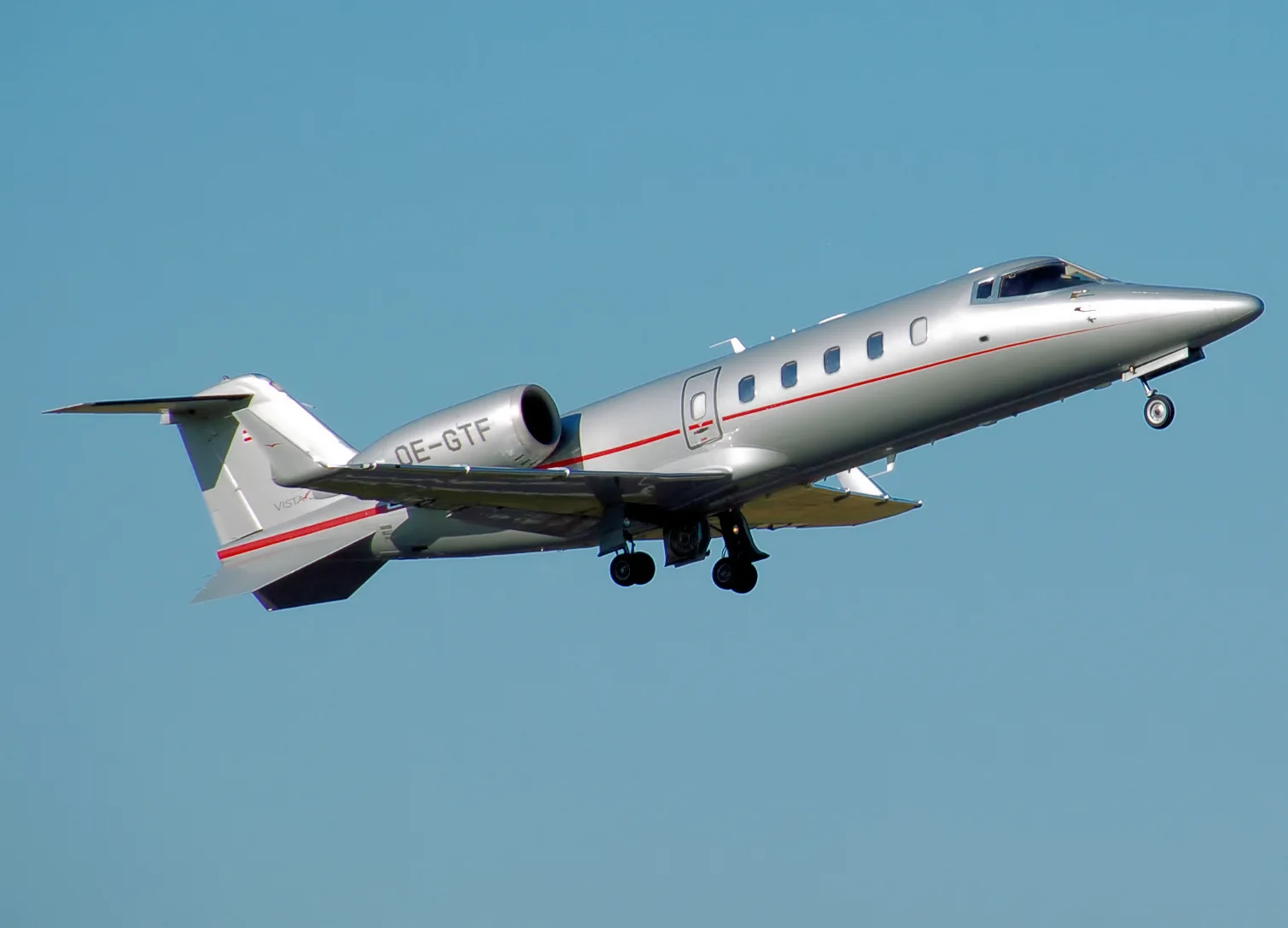
Florida Learjet crash: all 9 aboard killed as Austin to Bahamas jet falls near homes
A Learjet 60 bound for the Bahamas from Austin, Texas, came down in Palm Beach County on Sunday. Nobody on the ground was hurt, but about 600 people were evacuated.
4h ago
Reader comments 0
No comments yet. Say something useful.