Dead blue whale washes ashore at Gwadar's East Bay; WWF-Pakistan investigates
The 30-foot whale had been seen off Gwadar for two days before it stranded behind the Coast Guard office. WWF says it probably strayed into shallow water.
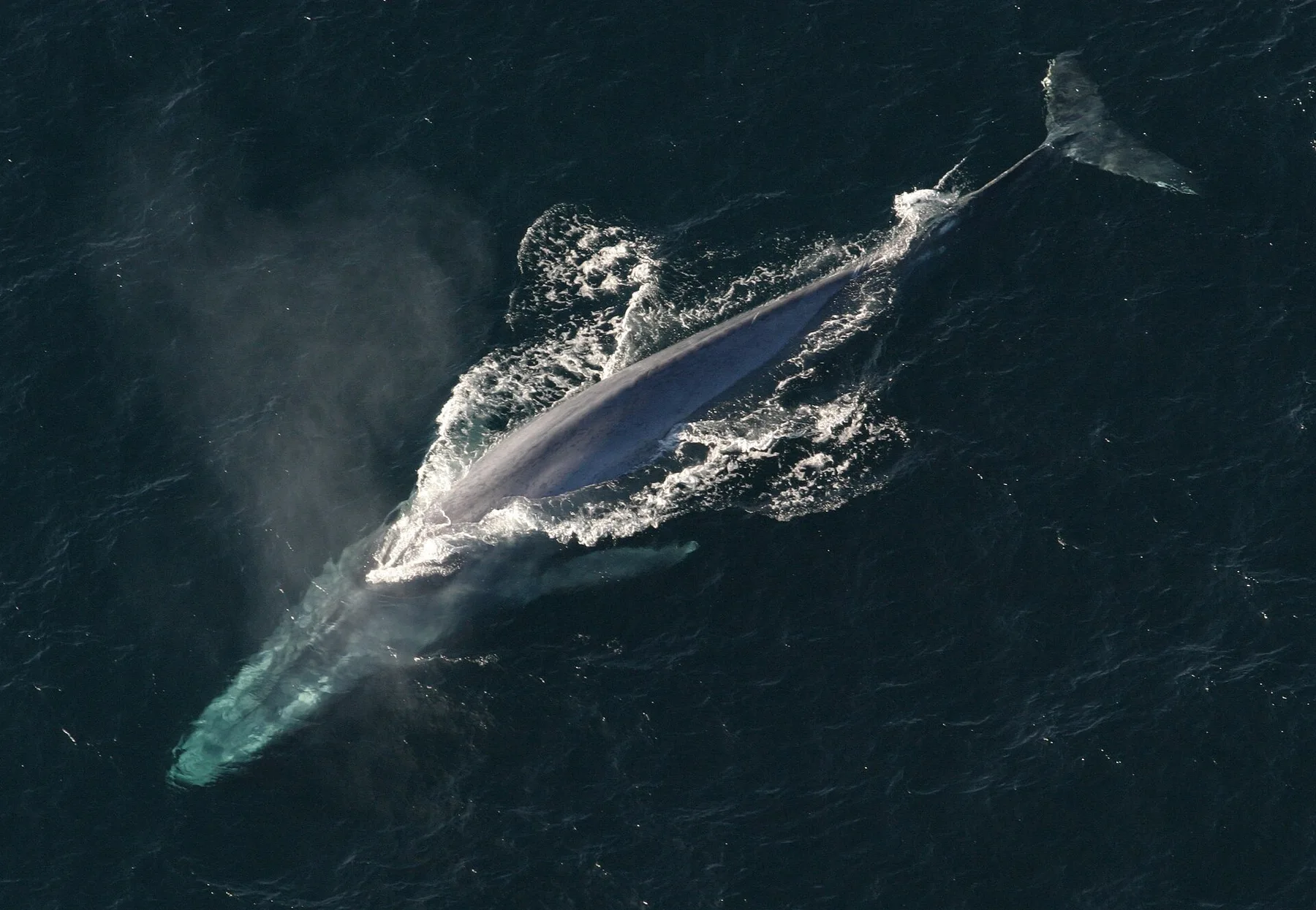
A dead blue whale has washed ashore at East Bay in Gwadar, behind the Coast Guard office, ProPakistani reported on Thursday, 5 November. The blue whale is the largest animal that has ever lived; this one was estimated at about 30 feet (around 9 metres) long.
Local people said the whale had been seen swimming off Gwadar for two days before it was found stranded on the beach on Thursday.
Why it may have died
Muhammad Moazzam Khan, technical adviser at WWF-Pakistan, said the whale probably lost its way after entering shallow water, where its ability to navigate may have been affected. WWF-Pakistan has started an investigation into the cause of death.
Blue whales have stranded on Pakistan's coast before, Khan said, and WWF-Pakistan keeps a record of every whale stranding along the coast.
How big is a 30-foot blue whale?
At about 9 metres, this was a young animal. Adult blue whales usually reach 24 to 30 metres, three times as long, and can weigh well over 100 tonnes.
If you find a stranded whale or dolphin
- Keep people, vehicles and dogs back from the animal.
- Do not try to pull it back into the sea by its tail or fins.
- If it is alive, keep its skin wet with seawater, keeping water away from the blowhole.
- Report it to the district administration and to WWF-Pakistan, with photos and the exact location.
Frequently asked questions
- Are there blue whales in Pakistan?
- Yes. Blue whales live in the Arabian Sea off Pakistan's coast, and strandings have been recorded before, according to WWF-Pakistan.
Sources
More in Science

Science
Swat basin could warm by over 5°C by 2100 as summer rain doubles, study warns
A Green Climate Fund assessment backed by the ADB says the valley's 10,000-plus glaciers face faster melt, more floods now and less water later.
6h ago

Science
NASA's Swift telescope falls back to Earth after 22 years as a $30 million rescue fails
The gamma-ray observatory, launched in 2004 for a two-year mission, was due to burn up over the tropics on 4 November after the LINK rescue craft spun out of control.
1d ago
Science
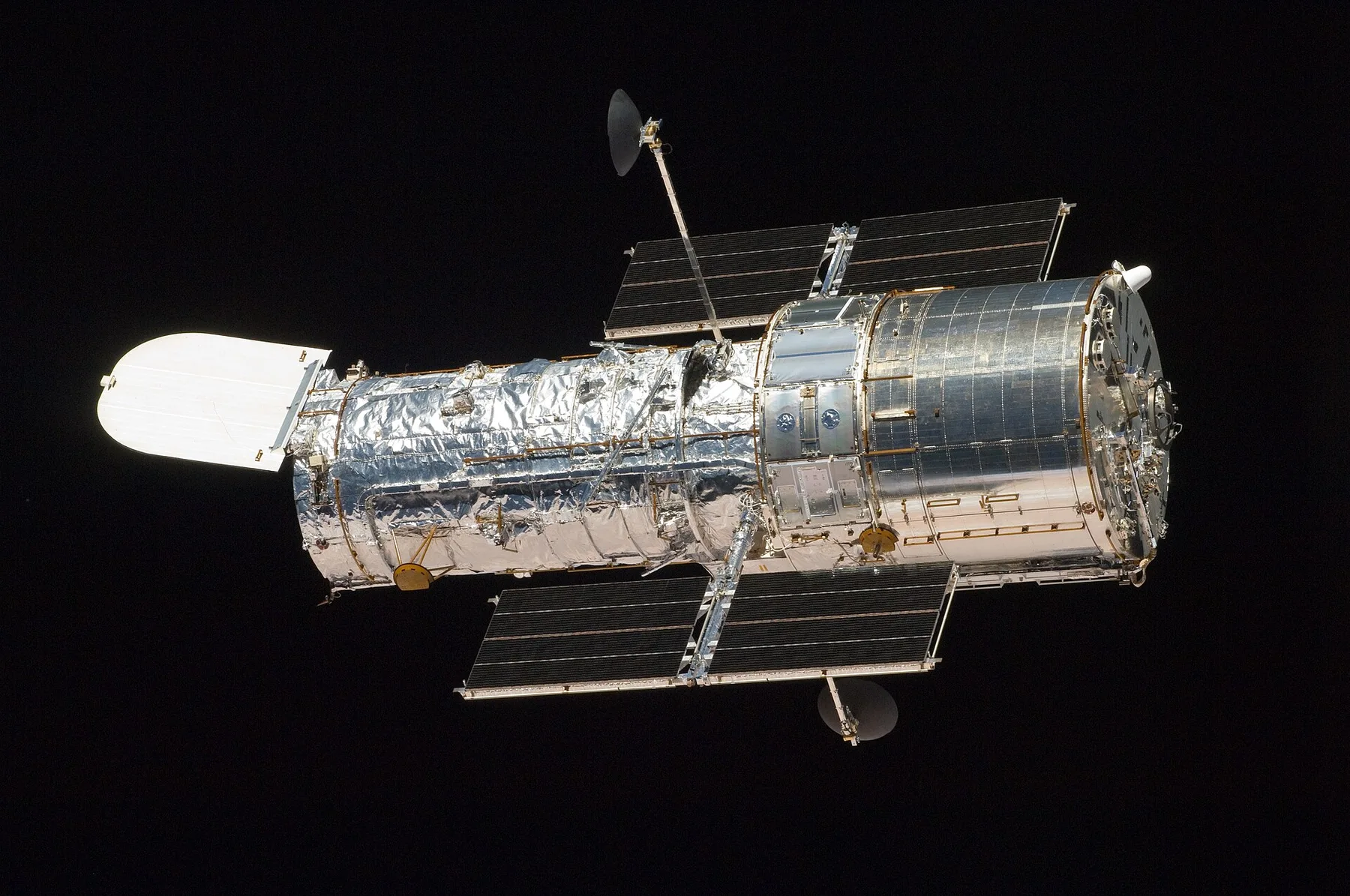
NASA asks private companies to save the Hubble telescope: proposals due 30 November
Hubble is sinking towards an uncontrolled re-entry in 2033 or 2034. NASA wants a commercial reboost, a servicing mission or, failing that, a safe disposal by 2032.
1d ago
Science
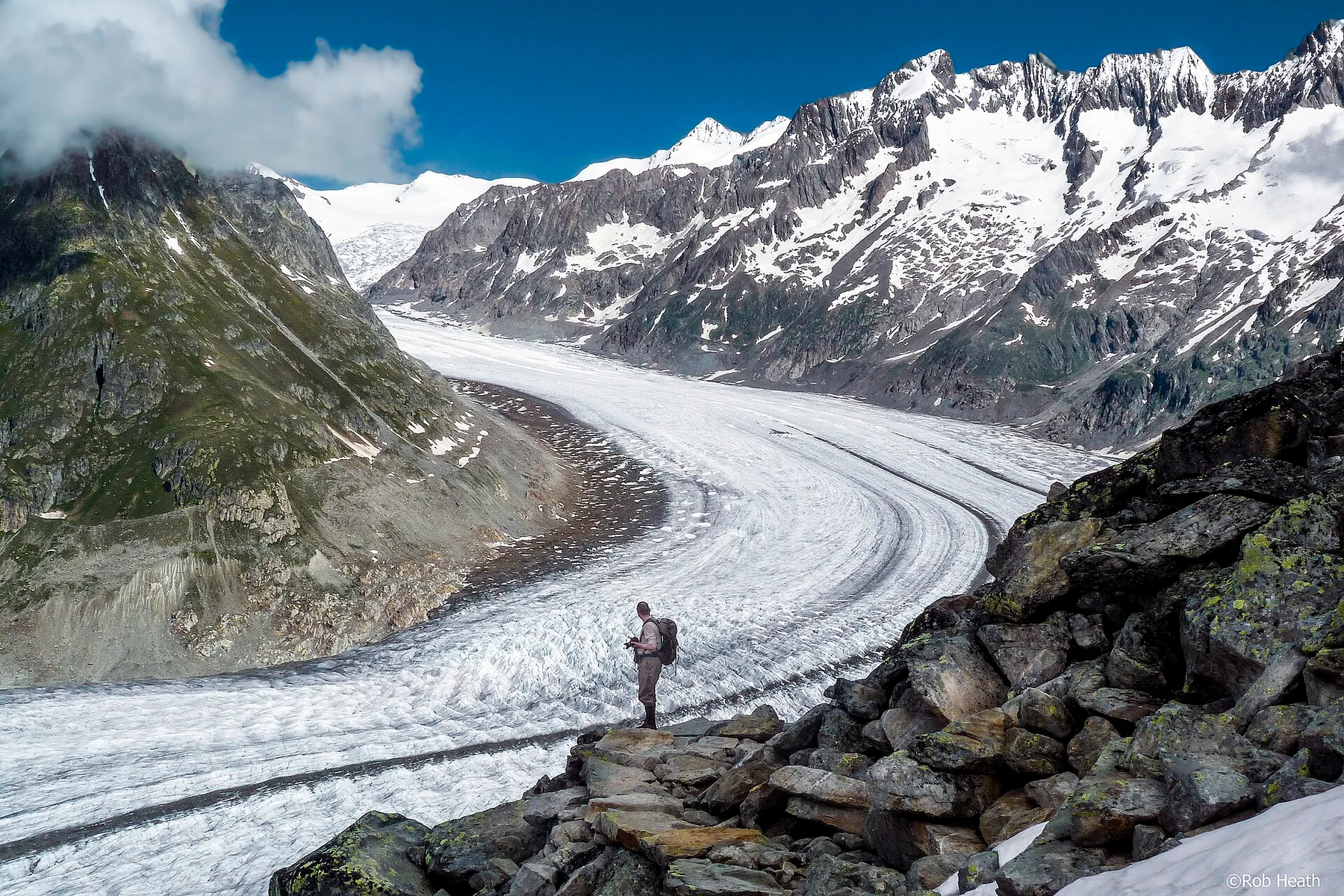
Warming at 1.37C is 'already unsafe' for Earth's ice, two new cryosphere reports warn; sea rise could hit 5cm a year
Reports written with 80 scientists say every year above 1.5C locks in more glacier and ice-sheet loss. Switzerland has already lost a fifth of its glacier mass.
2d ago
Reader comments 0
No comments yet. Say something useful.